1703 Graz - 1761 Vienna. Known for: Painting and sculpture.
Franz Christoph Janneck was born in Graz, settled in Vienna in the 1730's where he enrolled at the Viennese Academy, and eventually held the post of assessor from 1752 to 1758. Together with his...
Read full biography Franz Christoph Janneck was born in Graz, settled in Vienna in the 1730's where he enrolled at the Viennese Academy, and eventually held the post of assessor from 1752 to 1758. Together with his friend Johann Georg Platzer (1740-1761) he was amongst the leading exponents of the Austrian School....
Read full biography Franz Christoph Janneck was born in Graz, settled in Vienna in the 1730's where he enrolled at the Viennese Academy, and eventually held the post of assessor from 1752 to 1758. Together with his friend Johann Georg Platzer (1740-1761) he was amongst the leading exponents of the Austrian School. Janneck specialized in small, highly finished, jewel-like cabinet pictures of various subject matter, owning much both to the elegant scenes of Watteau, as well as to the detailed and polished 17th...
Read full biography Franz Christoph Janneck was born in Graz, settled in Vienna in the 1730's where he enrolled at the Viennese Academy, and eventually held the post of assessor from 1752 to 1758. Together with his friend Johann Georg Platzer (1740-1761) he was amongst the leading exponents of the Austrian School. Janneck specialized in small, highly finished, jewel-like cabinet pictures of various subject matter, owning much both to the elegant scenes of Watteau, as well as to the detailed and polished 17th Century Netherlandish genre painting.
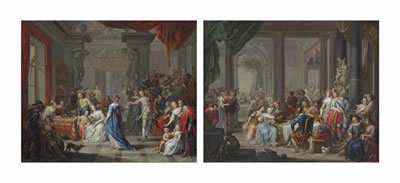
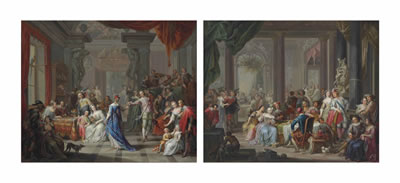
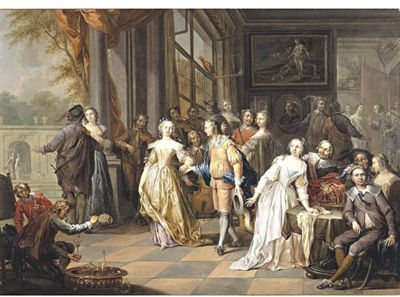
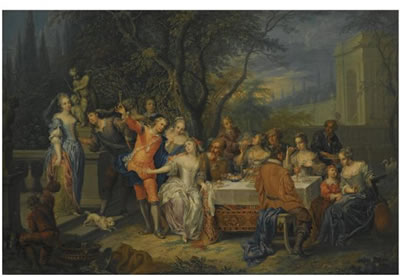
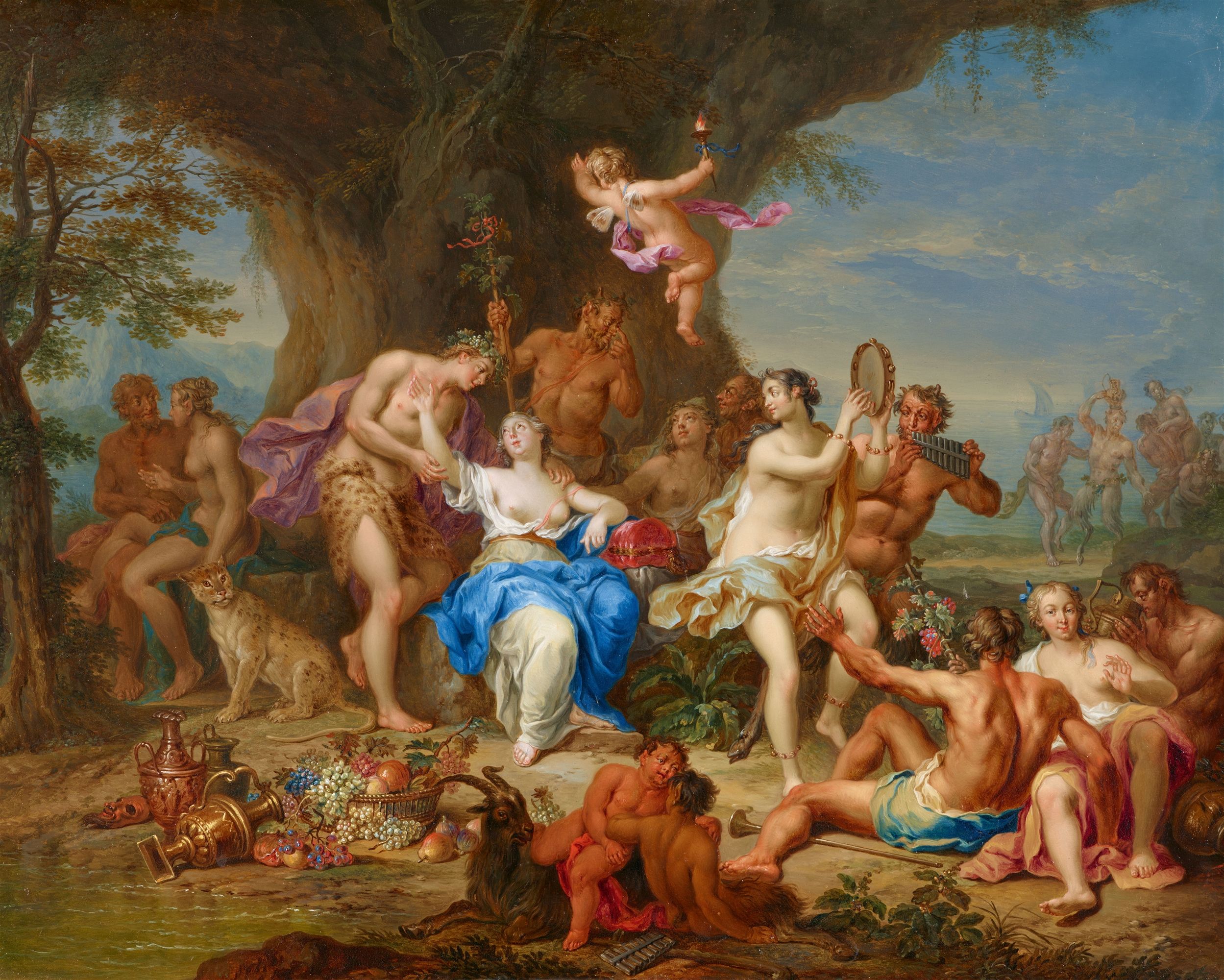
Franz Christoph Janneck was born in Graz, settled in Vienna in the 1730's where he enrolled at the Viennese Academy, and eventually held the post of assessor from 1752 to 1758. Together with his friend Johann Georg Platzer (1740-1761) he was amongst the leading exponents of the Austrian School. Janneck specialized in small, highly finished, jewel-like cabinet pictures of various subject matter, owning much both to the elegant scenes of Watteau, as well as to the detailed and polished 17th Century Netherlandish genre painting.