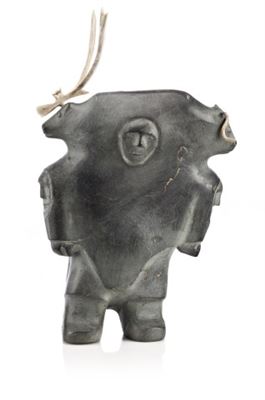
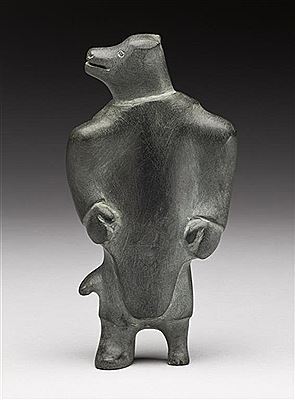
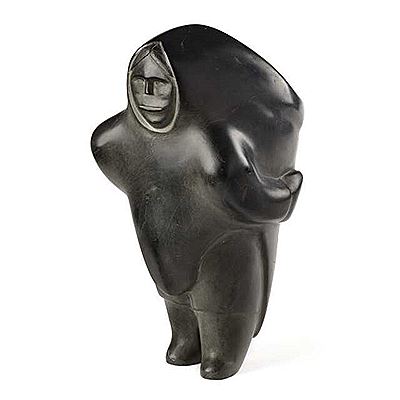
George Tataniq (1910 – 1991). An important Canadian Inuit* sculptor and carver, George Tataniq was born in the Kazan River area near the south shore of Baker Lake, Keewatin [now Nunavut] where he... Read full biography
George Tataniq (1910 – 1991). An important Canadian Inuit* sculptor and carver, George Tataniq was born in the Kazan River area near the south shore of Baker Lake, Keewatin [now Nunavut] where he lived a traditional Inuit life of hunting and fishing. After treatment for tuberculosis in the early... Read full biography
George Tataniq (1910 – 1991). An important Canadian Inuit* sculptor and carver, George Tataniq was born in the Kazan River area near the south shore of Baker Lake, Keewatin [now Nunavut] where he lived a traditional Inuit life of hunting and fishing. After treatment for tuberculosis in the early 1960s, he moved to the town of Baker Lake (aka: Qamani’tuaq), where he took up carving. He lived in Baker Lake for the rest of his life and died there. His works have been exhibited widely and are... Read full biography
George Tataniq (1910 – 1991). An important Canadian Inuit* sculptor and carver, George Tataniq was born in the Kazan River area near the south shore of Baker Lake, Keewatin [now Nunavut] where he lived a traditional Inuit life of hunting and fishing. After treatment for tuberculosis in the early 1960s, he moved to the town of Baker Lake (aka: Qamani’tuaq), where he took up carving. He lived in Baker Lake for the rest of his life and died there. His works have been exhibited widely and are highly prized by private and public collectors. Dozens of examples of his carvings are in major Canadian museum collections such as the Art Gallery of Ontario, the Canadian Museum of History, the Winnipeg Art Gallery*, and the National Gallery of Canada.... Read full biography
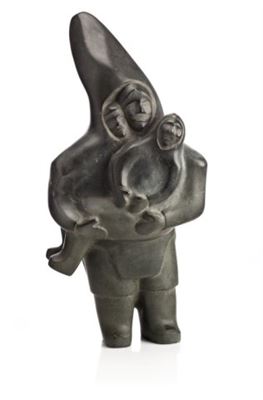
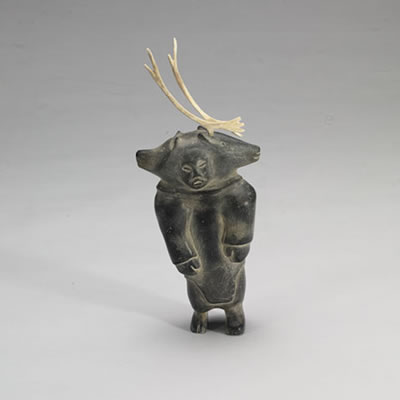
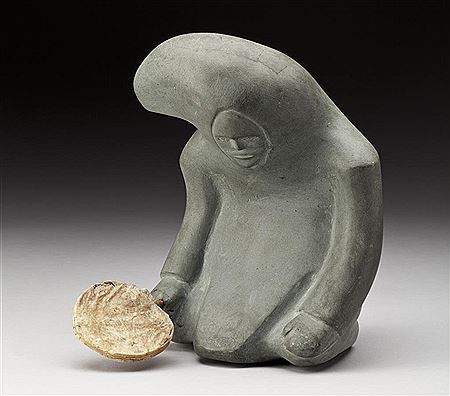
George Tataniq (1910 – 1991). An important Canadian Inuit* sculptor and carver, George Tataniq was born in the Kazan River area near the south shore of Baker Lake, Keewatin [now Nunavut] where he lived a traditional Inuit life of hunting and fishing. After treatment for tuberculosis in the early 1960s, he moved to the town of Baker Lake (aka: Qamani’tuaq), where he took up carving. He lived in Baker Lake for the rest of his life and died there. His works have been exhibited widely and are highly prized by private and public collectors. Dozens of examples of his carvings are in major Canadian museum collections such as the Art Gallery of Ontario, the Canadian Museum of History, the Winnipeg Art Gallery*, and the National Gallery of Canada. (1). His primary medium was stone, frequently accented with antler, bone, ivory or wood. His subjects included figures, Inuit genre (e.g. d... Read full biography
George (Tattener) Tataniq - Art Prices in Auction LotsAuction Lots