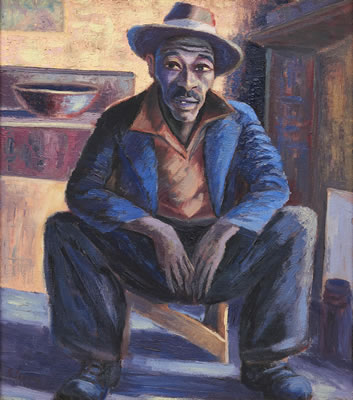
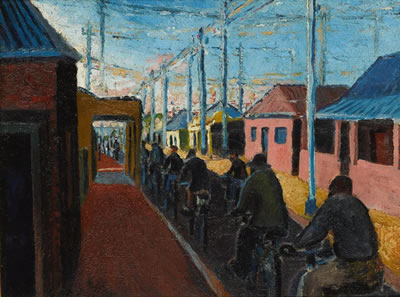
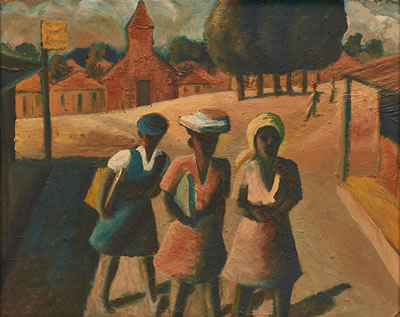
Growing up in Sophiatown, a blacks-only township on the outskirts of Johannesburg, Sekoto's work shows township scenes, capturing the poverty and hardship of life in segregated South Africa. He was... Read full biography
Growing up in Sophiatown, a blacks-only township on the outskirts of Johannesburg, Sekoto's work shows township scenes, capturing the poverty and hardship of life in segregated South Africa. He was born in rural South Africa in 1913 and learned to paint at a Lutheran mission school. In 1940, the... Read full biography
Growing up in Sophiatown, a blacks-only township on the outskirts of Johannesburg, Sekoto's work shows township scenes, capturing the poverty and hardship of life in segregated South Africa. He was born in rural South Africa in 1913 and learned to paint at a Lutheran mission school. In 1940, the Johannesburg Art Gallery bought one of his paintings, making him the first black artist included in that collection. According to legend, under South Africa's apartheid laws, Mr. Sekoto had to pose as a... Read full biography
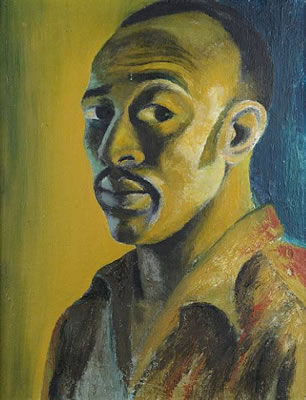
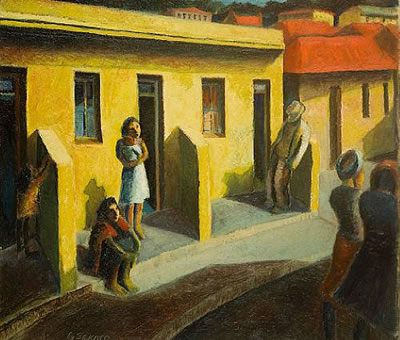
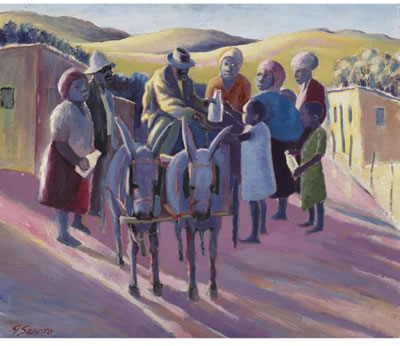
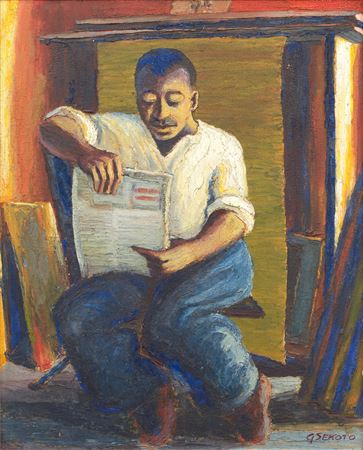
Growing up in Sophiatown, a blacks-only township on the outskirts of Johannesburg, Sekoto's work shows township scenes, capturing the poverty and hardship of life in segregated South Africa. He was born in rural South Africa in 1913 and learned to paint at a Lutheran mission school. In 1940, the Johannesburg Art Gallery bought one of his paintings, making him the first black artist included in that collection. According to legend, under South Africa's apartheid laws, Mr. Sekoto had to pose as a janitor to see his own work hanging in the gallery. After leaving South Africa for Paris in 1947, Gerard Sekoto made a living as a jazz pianist while continuing to paint. Source;. Wall Street Journal... Read full biography
Growing up in Sophiatown, a blacks-only township on the outskirts of Johannesburg, Sekoto's work shows township scenes, capturing the poverty and hardship of life in segregated South Africa. He was born in rural South Africa in 1913 and learned to paint at a Lutheran mission school. In 1940, the Johannesburg Art Gallery bought one of his paintings, making him the first black artist included in that collection. According to legend, under South Africa's apartheid laws, Mr. Sekoto had to pose as a janitor to see his own work hanging in the gallery. After leaving South Africa for Paris in 1947, Gerard Sekoto made a living as a jazz pianist while continuing to paint. Source;. Wall Street Journal... Read full biography
Gerard Sekoto - Art Prices in Auction LotsAuction Lots