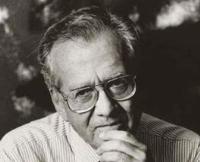
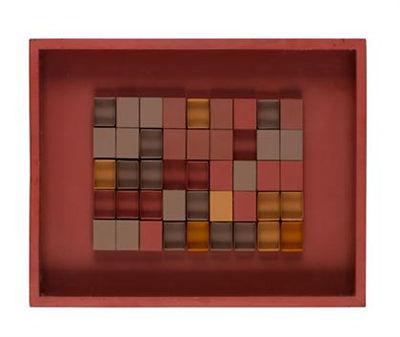
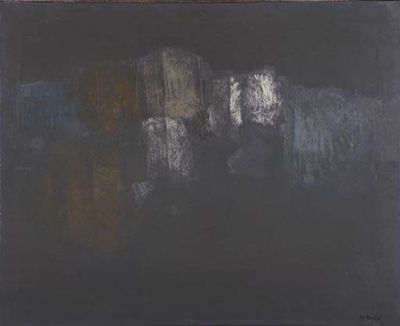
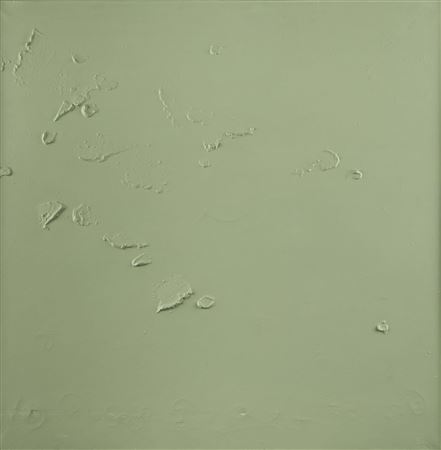
Gerardo Rueda (Madrid, 1926-1996) turns the practice of collage into an experimental laboratory; with tools and materials that are different from the usual paint brushes and pigments he is able to... Read full biography
Gerardo Rueda (Madrid, 1926-1996) turns the practice of collage into an experimental laboratory; with tools and materials that are different from the usual paint brushes and pigments he is able to make a painting without paint. Organised around technical and aesthetic issues, rather than follow a... Read full biography
Gerardo Rueda (Madrid, 1926-1996) turns the practice of collage into an experimental laboratory; with tools and materials that are different from the usual paint brushes and pigments he is able to make a painting without paint. Organised around technical and aesthetic issues, rather than follow a chronological order, the ninety works collected in this exhibition offer a complete approach to Rueda’s work, from his earliest compositions that combine colour paper and Chinese ink -where the paper... Read full biography
Gerardo Rueda (Madrid, 1926-1996) turns the practice of collage into an experimental laboratory; with tools and materials that are different from the usual paint brushes and pigments he is able to make a painting without paint. Organised around technical and aesthetic issues, rather than follow a chronological order, the ninety works collected in this exhibition offer a complete approach to Rueda’s work, from his earliest compositions that combine colour paper and Chinese ink -where the paper acts as a colour and "the drawing helps link together what is dispersed" as he said in March 1996- up to the formulation of collage as a painting and the expansion of limits to the assembly, in pieces such as Evocación viajera (1982) and Cosas de... Read full biography
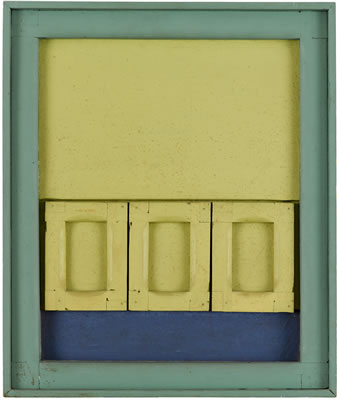
Gerardo Rueda (Madrid, 1926-1996) turns the practice of collage into an experimental laboratory; with tools and materials that are different from the usual paint brushes and pigments he is able to make a painting without paint. Organised around technical and aesthetic issues, rather than follow a chronological order, the ninety works collected in this exhibition offer a complete approach to Rueda’s work, from his earliest compositions that combine colour paper and Chinese ink -where the paper acts as a colour and "the drawing helps link together what is dispersed" as he said in March 1996- up to the formulation of collage as a painting and the expansion of limits to the assembly, in pieces such as Evocación viajera (1982) and Cosas de artista (1986). Rueda is a member of the Grupo de Cuenca -gathered around Fernando Zobel and Gustavo Torner- and recognised the artistic and... Read full biography
Gerardo Rueda - Art Prices in Auction LotsAuction Lots