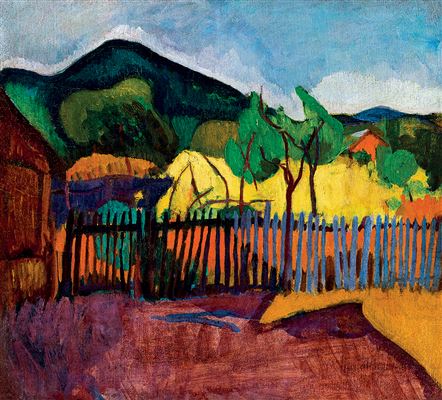
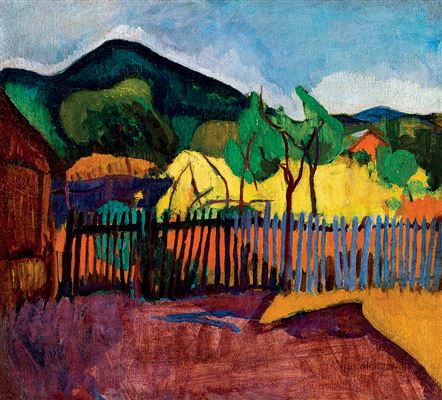
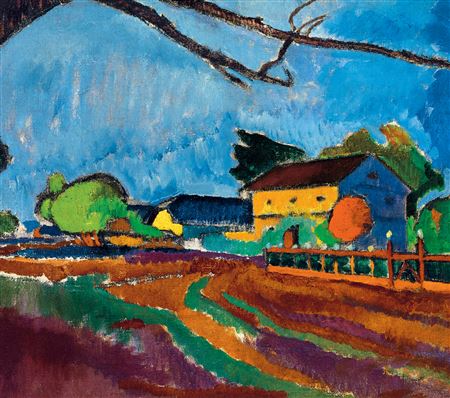
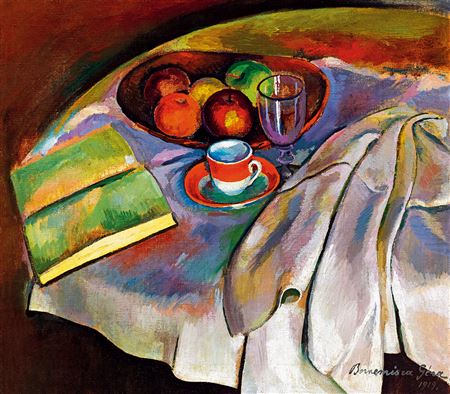
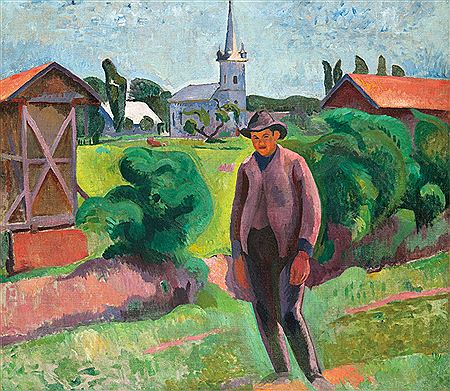
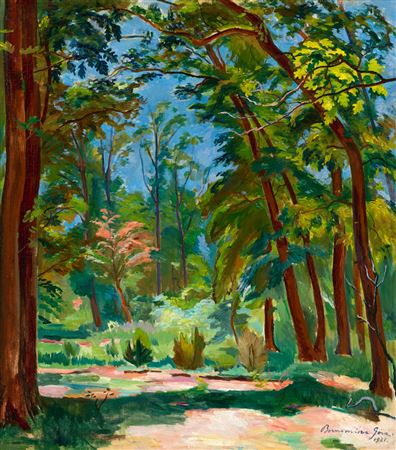
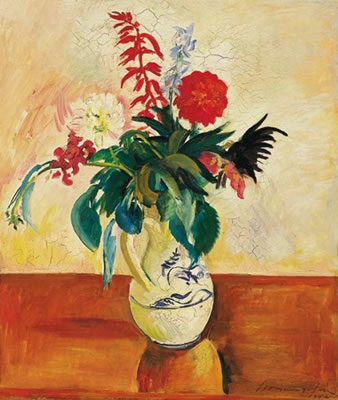
1884 - 1966. Known for: Painting, pattern drawing.
Geza Bornemisza spent two half years at the Pattern Drawing School of Budapest in 1902 and 1906, and studied at the Nagybánya artist colony in the meanwhile. He attended Matisse's independent school...
Read full biography Geza Bornemisza spent two half years at the Pattern Drawing School of Budapest in 1902 and 1906, and studied at the Nagybánya artist colony in the meanwhile. He attended Matisse's independent school in Paris for two years from 1906, after which he went to Munich. From 1910 onwards he worked with...
Read full biography Geza Bornemisza spent two half years at the Pattern Drawing School of Budapest in 1902 and 1906, and studied at the Nagybánya artist colony in the meanwhile. He attended Matisse's independent school in Paris for two years from 1906, after which he went to Munich. From 1910 onwards he worked with Béla Iványi Grünwald at the artist colony of Kecskemét. He was a member of MIÉNK (Hungarian for that which belongsa) and KUT (blessing or good). His works were shown at the Venice Biennial in 1932....
Read full biography Geza Bornemisza spent two half years at the Pattern Drawing School of Budapest in 1902 and 1906, and studied at the Nagybánya artist colony in the meanwhile. He attended Matisse's independent school in Paris for two years from 1906, after which he went to Munich. From 1910 onwards he worked with Béla Iványi Grünwald at the artist colony of Kecskemét. He was a member of MIÉNK (Hungarian for that which belongsa) and KUT (blessing or good). His works were shown at the Venice Biennial in 1932.
Geza Bornemisza spent two half years at the Pattern Drawing School of Budapest in 1902 and 1906, and studied at the Nagybánya artist colony in the meanwhile. He attended Matisse's independent school in Paris for two years from 1906, after which he went to Munich. From 1910 onwards he worked with Béla Iványi Grünwald at the artist colony of Kecskemét. He was a member of MIÉNK (Hungarian for that which belongsa) and KUT (blessing or good). His works were shown at the Venice Biennial in 1932.