1676 Florence - 1739 Pisa. Known for: Paintings of architectural ruins, ancient statues, collaborative art wtih Giuseppe Poli.
Gherado Poli distinguished himself in the representation of architectural whims. Inspired by the prints of Jacques Callot (Nancy, 1592 –1635) and Stefano della Bella (Florence, 1610 –1664), his work...
Read full biography Gherado Poli distinguished himself in the representation of architectural whims. Inspired by the prints of Jacques Callot (Nancy, 1592 –1635) and Stefano della Bella (Florence, 1610 –1664), his work honors Antiquity through sumptuous animated ruins. Statues with mythological subjects stand as...
Read full biography Gherado Poli distinguished himself in the representation of architectural whims. Inspired by the prints of Jacques Callot (Nancy, 1592 –1635) and Stefano della Bella (Florence, 1610 –1664), his work honors Antiquity through sumptuous animated ruins. Statues with mythological subjects stand as enthroned classics treated in grisaille, as with his work Hercules and the Hydra, which one finds in another of his caprices exhibited at the Musée des Beaux-Arts in Nancy....
Read full biography Gherado Poli distinguished himself in the representation of architectural whims. Inspired by the prints of Jacques Callot (Nancy, 1592 –1635) and Stefano della Bella (Florence, 1610 –1664), his work honors Antiquity through sumptuous animated ruins. Statues with mythological subjects stand as enthroned classics treated in grisaille, as with his work Hercules and the Hydra, which one finds in another of his caprices exhibited at the Musée des Beaux-Arts in Nancy.
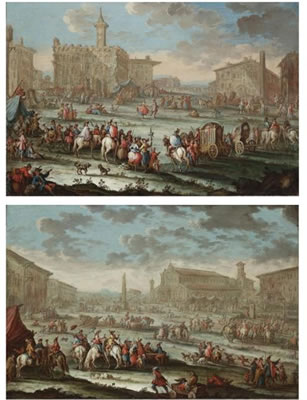
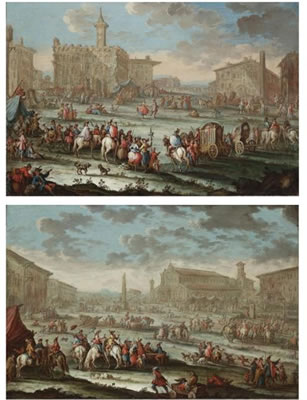
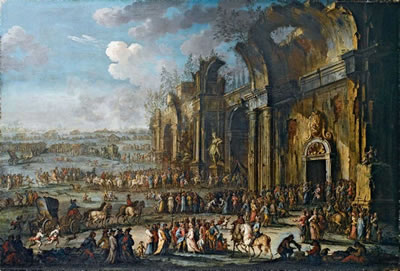
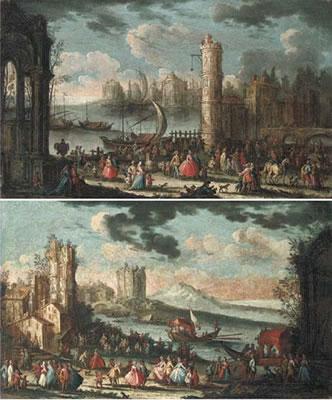
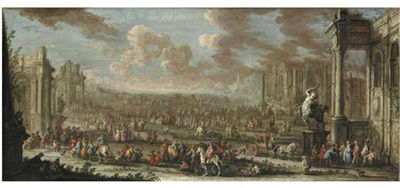
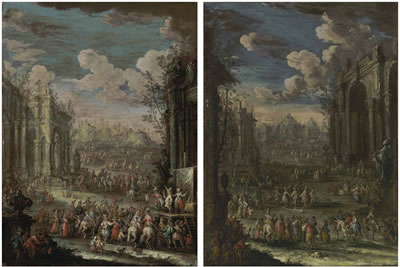
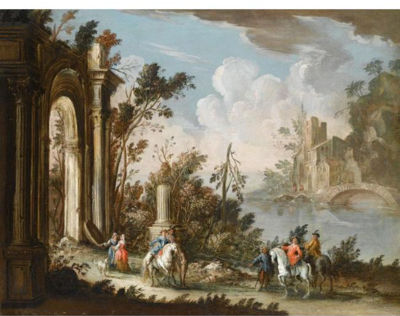
Gherado Poli distinguished himself in the representation of architectural whims. Inspired by the prints of Jacques Callot (Nancy, 1592 –1635) and Stefano della Bella (Florence, 1610 –1664), his work honors Antiquity through sumptuous animated ruins. Statues with mythological subjects stand as enthroned classics treated in grisaille, as with his work Hercules and the Hydra, which one finds in another of his caprices exhibited at the Musée des Beaux-Arts in Nancy.