Known as "Il Pitocchetto" or the Beggar Painter because of his realistic paintings of peasants wearing rags, Giacomo Ceruti was active in Northern Italy during the late Baroque period in Italy.... Read full biography
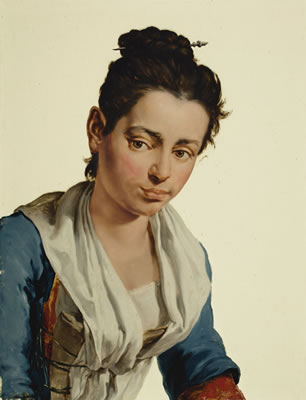
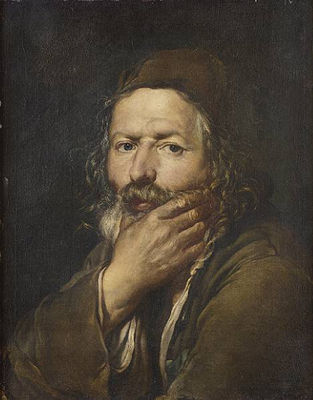
Known as "Il Pitocchetto" or the Beggar Painter because of his realistic paintings of peasants wearing rags, Giacomo Ceruti was active in Northern Italy during the late Baroque period in Italy. Although his primary subjects are 'low-life' persons, they are depicted with dignity and self possession.... Read full biography
Known as "Il Pitocchetto" or the Beggar Painter because of his realistic paintings of peasants wearing rags, Giacomo Ceruti was active in Northern Italy during the late Baroque period in Italy. Although his primary subjects are 'low-life' persons, they are depicted with dignity and self possession. An art historian has described these paintngs "as confronting us with the detritus of the community; the displaced and homeless poor; the old and the young with their ubiquitous spindles, eloquent... Read full biography
Known as "Il Pitocchetto" or the Beggar Painter because of his realistic paintings of peasants wearing rags, Giacomo Ceruti was active in Northern Italy during the late Baroque period in Italy. Although his primary subjects are 'low-life' persons, they are depicted with dignity and self possession. An art historian has described these paintngs "as confronting us with the detritus of the community; the displaced and homeless poor; the old and the young with their ubiquitous spindles, eloquent signs of their situationless poverty and unwanted labor; orphans in their orderly, joyless asylums plying their unpaid toil; urchins of the streets eking out small coins as porters and sating them in gambling; the diseased, palsied, and deformed;... Read full biography
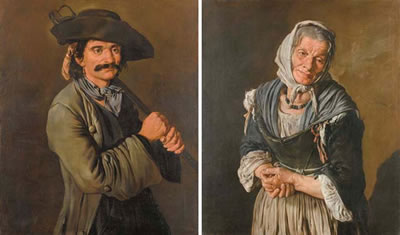
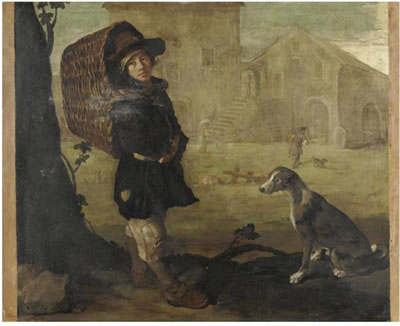
Known as "Il Pitocchetto" or the Beggar Painter because of his realistic paintings of peasants wearing rags, Giacomo Ceruti was active in Northern Italy during the late Baroque period in Italy. Although his primary subjects are 'low-life' persons, they are depicted with dignity and self possession. An art historian has described these paintngs "as confronting us with the detritus of the community; the displaced and homeless poor; the old and the young with their ubiquitous spindles, eloquent signs of their situationless poverty and unwanted labor; orphans in their orderly, joyless asylums plying their unpaid toil; urchins of the streets eking out small coins as porters and sating them in gambling; the diseased, palsied, and deformed; lonely vagabonds; even a stranger from Africa—and all in tatters and filthy rags, almost all with eyes that address us dire... Read full biography
Giacomo (Il Pitocchetto) Ceruti - Art Prices in Auction LotsAuction Lots
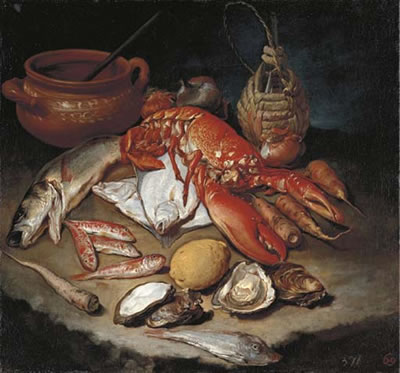
A lobster, herring, turbot, skate, red mullets and oysters with turnips, onions, a lemon, an earthenware pot and a wicker and glass bottle on a stone ledge