Giovanni BILIVERT (Florence, Italy 1585 - Florence, Italy 1644) . ??The son of a Flemish goldsmith, Giovanni Bilivert (or Biliverti) trained with Alessandro Casolani in Siena before returning to... Read full biography
Giovanni BILIVERT (Florence, Italy 1585 - Florence, Italy 1644) . ??The son of a Flemish goldsmith, Giovanni Bilivert (or Biliverti) trained with Alessandro Casolani in Siena before returning to Florence and joining the workshop of Ludovico Cardi, called Cigoli, in around 1590. He became one of... Read full biography
Giovanni BILIVERT (Florence, Italy 1585 - Florence, Italy 1644) . ??The son of a Flemish goldsmith, Giovanni Bilivert (or Biliverti) trained with Alessandro Casolani in Siena before returning to Florence and joining the workshop of Ludovico Cardi, called Cigoli, in around 1590. He became one of Cigoli’s chief assistants, and remained in his studio for some fifteen years. Between 1604 and 1608 Bilivert worked with Cigoli in Rome, and upon his return to Florence he entered the service of the... Read full biography
Giovanni BILIVERT (Florence, Italy 1585 - Florence, Italy 1644) . ??The son of a Flemish goldsmith, Giovanni Bilivert (or Biliverti) trained with Alessandro Casolani in Siena before returning to Florence and joining the workshop of Ludovico Cardi, called Cigoli, in around 1590. He became one of Cigoli’s chief assistants, and remained in his studio for some fifteen years. Between 1604 and 1608 Bilivert worked with Cigoli in Rome, and upon his return to Florence he entered the service of the Grand Duke Cosimo II de’ Medici, who in 1611 appointed him designer at the Opificio delle Pietre Dure. Bilivert’s independent career as a painter, begun in Rome with an altarpiece for the church of San Callisto, continued with much success in Florence.... Read full biography
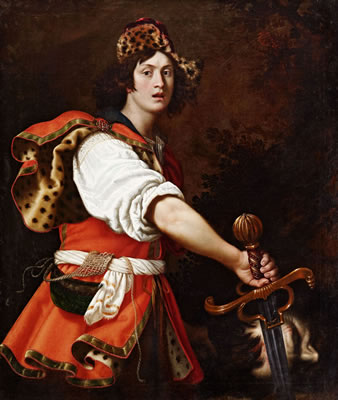
Giovanni BILIVERT (Florence, Italy 1585 - Florence, Italy 1644) . ??The son of a Flemish goldsmith, Giovanni Bilivert (or Biliverti) trained with Alessandro Casolani in Siena before returning to Florence and joining the workshop of Ludovico Cardi, called Cigoli, in around 1590. He became one of Cigoli’s chief assistants, and remained in his studio for some fifteen years. Between 1604 and 1608 Bilivert worked with Cigoli in Rome, and upon his return to Florence he entered the service of the Grand Duke Cosimo II de’ Medici, who in 1611 appointed him designer at the Opificio delle Pietre Dure. Bilivert’s independent career as a painter, begun in Rome with an altarpiece for the church of San Callisto, continued with much success in Florence. This was marked by such important commissions as a Discovery of the True Cross painted in 1621 for Santa Croce, a Guardi... Read full biography
Giovanni (Bilivertli) Bilivert - Art Prices in Auction LotsAuction Lots