1850 Castellammare di Stabia - 1935 Resina. Known for: Painting, landscape and genre.
Giovanni Battista Filosa was born in Castellammare Di Stabia in 1850. Filosa was strongly linked to his land of origin and spent most of his life there portraying the places and activities carried...
Read full biography Giovanni Battista Filosa was born in Castellammare Di Stabia in 1850. Filosa was strongly linked to his land of origin and spent most of his life there portraying the places and activities carried out by local farmers and fishermen. From 1874 Giovanni Battista Filosa stayed for a few years in Paris...
Read full biography Giovanni Battista Filosa was born in Castellammare Di Stabia in 1850. Filosa was strongly linked to his land of origin and spent most of his life there portraying the places and activities carried out by local farmers and fishermen. From 1874 Giovanni Battista Filosa stayed for a few years in Paris proposing subjects inspired by the neo-seventeenth century in vogue in the city of light at that time according to the fashion afferent to the Spanish painter Mariano Fortuny. Soon, however, Filosa...
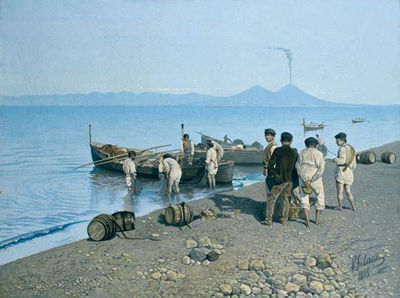
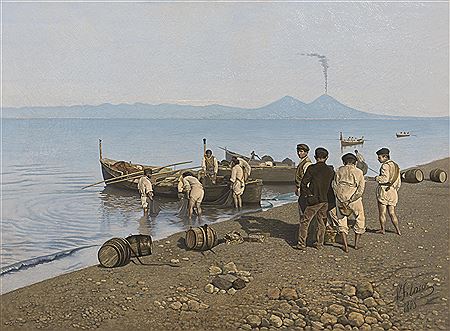
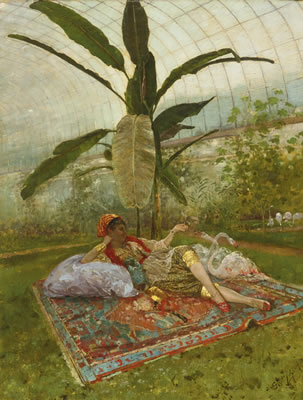
Read full biography Giovanni Battista Filosa was born in Castellammare Di Stabia in 1850. Filosa was strongly linked to his land of origin and spent most of his life there portraying the places and activities carried out by local farmers and fishermen. From 1874 Giovanni Battista Filosa stayed for a few years in Paris proposing subjects inspired by the neo-seventeenth century in vogue in the city of light at that time according to the fashion afferent to the Spanish painter Mariano Fortuny. Soon, however, Filosa returned to Neapolitan landscapes and genre scenes characterized by the accurate descriptive expertise of every detail.
Giovanni Battista Filosa was born in Castellammare Di Stabia in 1850. Filosa was strongly linked to his land of origin and spent most of his life there portraying the places and activities carried out by local farmers and fishermen. From 1874 Giovanni Battista Filosa stayed for a few years in Paris proposing subjects inspired by the neo-seventeenth century in vogue in the city of light at that time according to the fashion afferent to the Spanish painter Mariano Fortuny. Soon, however, Filosa returned to Neapolitan landscapes and genre scenes characterized by the accurate descriptive expertise of every detail.