Giovanni Francesco Barbieri was called Guercino which means "the squint-eyed." He was born in Cento, Italy in 1591. He displayed precocious talent as a child, and studied under several local masters.... Read full biography
Giovanni Francesco Barbieri was called Guercino which means "the squint-eyed." He was born in Cento, Italy in 1591. He displayed precocious talent as a child, and studied under several local masters. He then went on to Bologna and received instruction from Cremonini and Gennari. He also visited... Read full biography
Giovanni Francesco Barbieri was called Guercino which means "the squint-eyed." He was born in Cento, Italy in 1591. He displayed precocious talent as a child, and studied under several local masters. He then went on to Bologna and received instruction from Cremonini and Gennari. He also visited Venice, Ferrara and Rome and in the latter city enjoyed the protection of Pope Gregory XV until that Pontiff's death in 1623, at which time Guercino left Rome and established himself at Cento, where he... Read full biography
Giovanni Francesco Barbieri was called Guercino which means "the squint-eyed." He was born in Cento, Italy in 1591. He displayed precocious talent as a child, and studied under several local masters. He then went on to Bologna and received instruction from Cremonini and Gennari. He also visited Venice, Ferrara and Rome and in the latter city enjoyed the protection of Pope Gregory XV until that Pontiff's death in 1623, at which time Guercino left Rome and established himself at Cento, where he remained and worked for the next twenty years. In 1626 he began the enormous fresco work on the Duomo at Piancenza, which is probably his greatest and most distinctive accomplishment. Despite his considerable talent, he lacked creative originality and... Read full biography
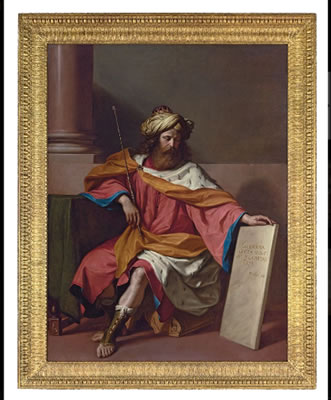
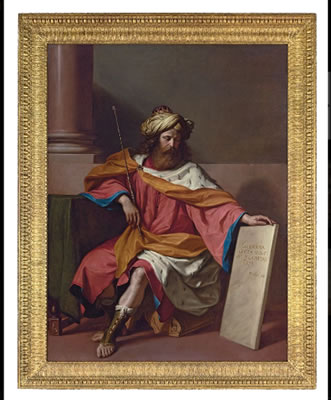
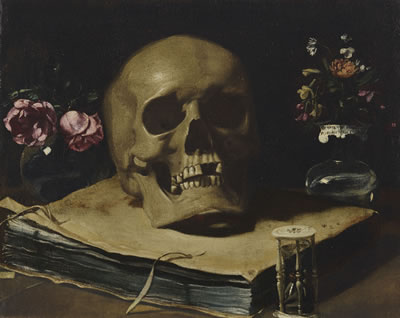
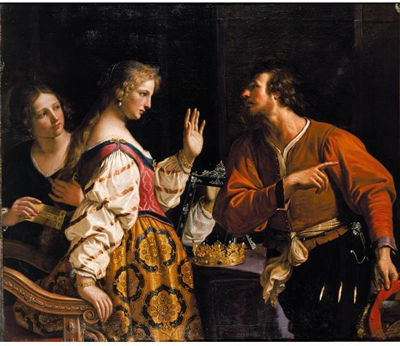
Giovanni Francesco Barbieri was called Guercino which means "the squint-eyed." He was born in Cento, Italy in 1591. He displayed precocious talent as a child, and studied under several local masters. He then went on to Bologna and received instruction from Cremonini and Gennari. He also visited Venice, Ferrara and Rome and in the latter city enjoyed the protection of Pope Gregory XV until that Pontiff's death in 1623, at which time Guercino left Rome and established himself at Cento, where he remained and worked for the next twenty years. In 1626 he began the enormous fresco work on the Duomo at Piancenza, which is probably his greatest and most distinctive accomplishment. Despite his considerable talent, he lacked creative originality and was very much influenced at first by the painting of Caravaggio. He died in 1666.... Read full biography
Giovanni Francesco (Guercino) Barbieri - Art Prices in Auction LotsAuction Lots