1923 - 2005. Known for: Painting and sculpture.
Giuseppe Ajmone was born in 1923, in Carpignano Sesia, Italy. He studied painting at the Accademia di Belle Arti di Brera in Milan under the guidance of Achille Funi and Carlo Carra. In Milan,...
Read full biography Giuseppe Ajmone was born in 1923, in Carpignano Sesia, Italy. He studied painting at the Accademia di Belle Arti di Brera in Milan under the guidance of Achille Funi and Carlo Carra. In Milan, Giuseppe also met Cassinari and Morlotti and joined the artist groups of 'Numero' and 'Pittura.' In 1946,...
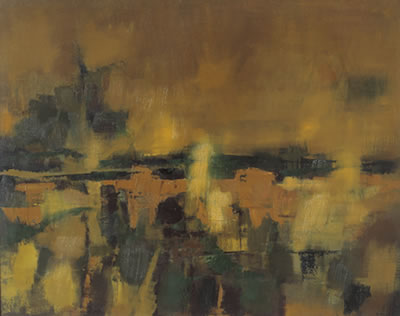
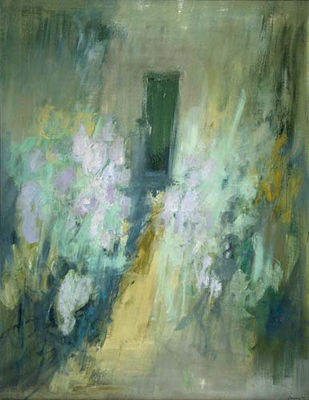
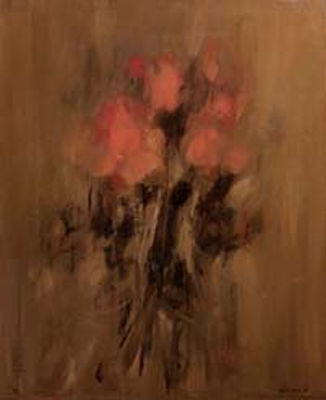
Read full biography Giuseppe Ajmone was born in 1923, in Carpignano Sesia, Italy. He studied painting at the Accademia di Belle Arti di Brera in Milan under the guidance of Achille Funi and Carlo Carra. In Milan, Giuseppe also met Cassinari and Morlotti and joined the artist groups of 'Numero' and 'Pittura.' In 1946, he was a co-founder of the 'Manifesto del Realismo,' which also came to be known as 'Oltre Gurrnica.' After naturalistic beginnings, Giuseppe adopted an abstract style in the 1950's, influenced by...
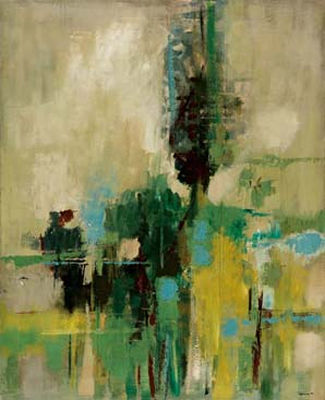
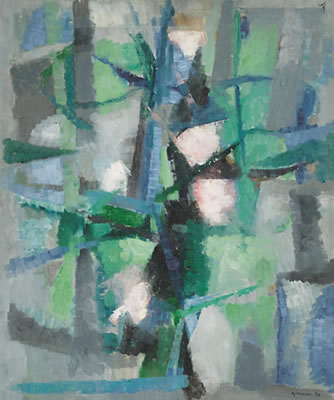
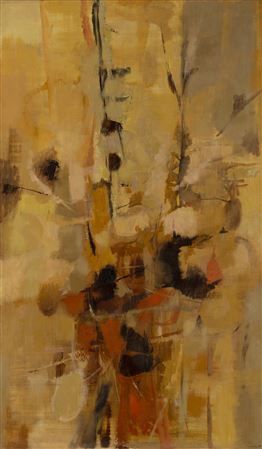
Read full biography Giuseppe Ajmone was born in 1923, in Carpignano Sesia, Italy. He studied painting at the Accademia di Belle Arti di Brera in Milan under the guidance of Achille Funi and Carlo Carra. In Milan, Giuseppe also met Cassinari and Morlotti and joined the artist groups of 'Numero' and 'Pittura.' In 1946, he was a co-founder of the 'Manifesto del Realismo,' which also came to be known as 'Oltre Gurrnica.' After naturalistic beginnings, Giuseppe adopted an abstract style in the 1950's, influenced by Bonnard and Braque. However, he retained the approach of organic forms staged with light. By 1960, his work again became figurative. In printmaking, his illustrations to poems by Cesare Pavese are among his best known works. Giuseppe Ajmone has...
Read full biography Giuseppe Ajmone was born in 1923, in Carpignano Sesia, Italy. He studied painting at the Accademia di Belle Arti di Brera in Milan under the guidance of Achille Funi and Carlo Carra. In Milan, Giuseppe also met Cassinari and Morlotti and joined the artist groups of 'Numero' and 'Pittura.' In 1946, he was a co-founder of the 'Manifesto del Realismo,' which also came to be known as 'Oltre Gurrnica.' After naturalistic beginnings, Giuseppe adopted an abstract style in the 1950's, influenced by Bonnard and Braque. However, he retained the approach of organic forms staged with light. By 1960, his work again became figurative. In printmaking, his illustrations to poems by Cesare Pavese are among his best known works. Giuseppe Ajmone has exhibited his work internationally, including at the Biennials of Venice and Sao Paula.