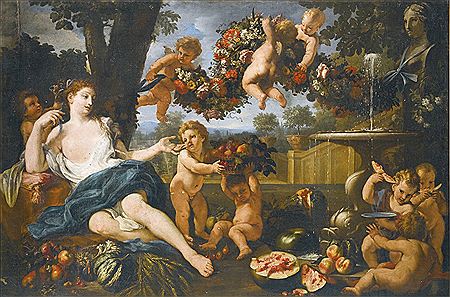
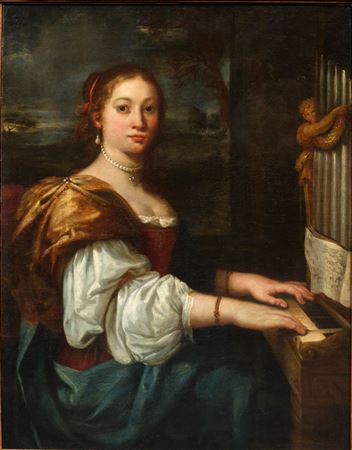
1628 - 1679. Known for: Baroque style paintings and frescoes..
Guillaume Courtois, also known as Guglielmo Cortese, was a painter who lived and worked in Rome for his entire life. He arrived in Rome at the age of sixteen in 1644 and spent his early years...
Read full biography Guillaume Courtois, also known as Guglielmo Cortese, was a painter who lived and worked in Rome for his entire life. He arrived in Rome at the age of sixteen in 1644 and spent his early years traveling to various cities in northern Italy. He was influenced by the classical current and the...
Read full biography Guillaume Courtois, also known as Guglielmo Cortese, was a painter who lived and worked in Rome for his entire life. He arrived in Rome at the age of sixteen in 1644 and spent his early years traveling to various cities in northern Italy. He was influenced by the classical current and the neo-Venetian taste of Pier Francesco Mola. However, he later changed his style to a baroque direction and became the main decorator of Bernini's buildings. He worked on various commissions, including the...
Read full biography Guillaume Courtois, also known as Guglielmo Cortese, was a painter who lived and worked in Rome for his entire life. He arrived in Rome at the age of sixteen in 1644 and spent his early years traveling to various cities in northern Italy. He was influenced by the classical current and the neo-Venetian taste of Pier Francesco Mola. However, he later changed his style to a baroque direction and became the main decorator of Bernini's buildings. He worked on various commissions, including the frescoes of the Basilica of Saint Mark in the Capitol and the Palazzo Pamphilj. His importance on the Roman art scene of the third quarter of the 17th century has been studied by various scholars
Guillaume Courtois, also known as Guglielmo Cortese, was a painter who lived and worked in Rome for his entire life. He arrived in Rome at the age of sixteen in 1644 and spent his early years traveling to various cities in northern Italy. He was influenced by the classical current and the neo-Venetian taste of Pier Francesco Mola. However, he later changed his style to a baroque direction and became the main decorator of Bernini's buildings. He worked on various commissions, including the frescoes of the Basilica of Saint Mark in the Capitol and the Palazzo Pamphilj. His importance on the Roman art scene of the third quarter of the 17th century has been studied by various scholars