1880 Warsaw, Poland - 1935. Known for: Interdisciplinary artist, stylistic diversity, gwozdotype technique.
Gustaw Gwozdecki was an interdisciplinary artist who flourished in the 20th century. He was known for his stylistic diversity, experimenting with various art forms such as painting, sculpture, and...
Read full biography Gustaw Gwozdecki was an interdisciplinary artist who flourished in the 20th century. He was known for his stylistic diversity, experimenting with various art forms such as painting, sculpture, and original graphics. Gwozdecki developed his own workshop technique called gwozdotype. He received...
Read full biography Gustaw Gwozdecki was an interdisciplinary artist who flourished in the 20th century. He was known for his stylistic diversity, experimenting with various art forms such as painting, sculpture, and original graphics. Gwozdecki developed his own workshop technique called gwozdotype. He received education in Munich and Kraków before settling in Paris, where he studied at the École des Beaux-Arts and interacted with the Polish artistic colony. His art was appreciated by critics of his time,...
Read full biography Gustaw Gwozdecki was an interdisciplinary artist who flourished in the 20th century. He was known for his stylistic diversity, experimenting with various art forms such as painting, sculpture, and original graphics. Gwozdecki developed his own workshop technique called gwozdotype. He received education in Munich and Kraków before settling in Paris, where he studied at the École des Beaux-Arts and interacted with the Polish artistic colony. His art was appreciated by critics of his time, including Guillaume Apollinaire and André Salmon.
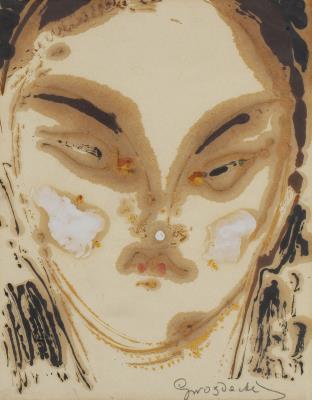
Gustaw Gwozdecki was an interdisciplinary artist who flourished in the 20th century. He was known for his stylistic diversity, experimenting with various art forms such as painting, sculpture, and original graphics. Gwozdecki developed his own workshop technique called gwozdotype. He received education in Munich and Kraków before settling in Paris, where he studied at the École des Beaux-Arts and interacted with the Polish artistic colony. His art was appreciated by critics of his time, including Guillaume Apollinaire and André Salmon.