Born 1947. Known for: Painting.
Hans-Hendrik Grimmling was born in 1947. Hans-Hendrik Grimmling completed his artistic education at the University of Fine Arts at Werner Tübke, followed by the admission to the master class "Freie...
Read full biography Hans-Hendrik Grimmling was born in 1947. Hans-Hendrik Grimmling completed his artistic education at the University of Fine Arts at Werner Tübke, followed by the admission to the master class "Freie Kunst" by Wolfgang Mattheuer. While there, Grimmling experienced an artistic freedom which...
Read full biography Hans-Hendrik Grimmling was born in 1947. Hans-Hendrik Grimmling completed his artistic education at the University of Fine Arts at Werner Tübke, followed by the admission to the master class "Freie Kunst" by Wolfgang Mattheuer. While there, Grimmling experienced an artistic freedom which strengthened him in the search for his own picturesque form. In 1984, as one of six founding members of the "1. Leipziger Herbstsalon", he successfully fought for public exhibitions. His powerful, partly winged...
Read full biography Hans-Hendrik Grimmling was born in 1947. Hans-Hendrik Grimmling completed his artistic education at the University of Fine Arts at Werner Tübke, followed by the admission to the master class "Freie Kunst" by Wolfgang Mattheuer. While there, Grimmling experienced an artistic freedom which strengthened him in the search for his own picturesque form. In 1984, as one of six founding members of the "1. Leipziger Herbstsalon", he successfully fought for public exhibitions. His powerful, partly winged bodies with oversized, often clenched hands, dominant colors red and black, give Grimmling a strong voice. His figurations in expressive gestures vary between aggression and injury, touch, embrace and dance. Thanks to the highly focused and narrow...
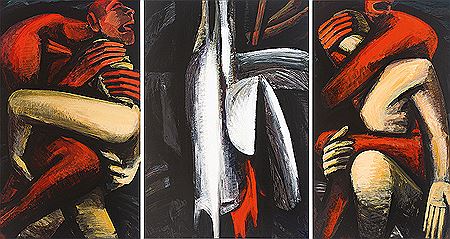
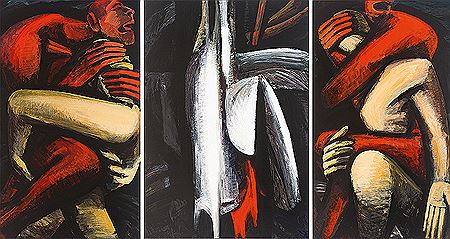
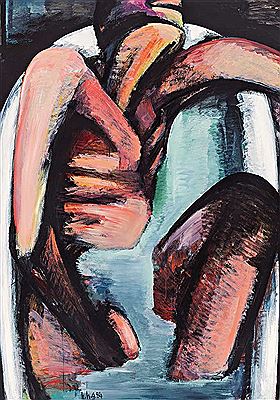
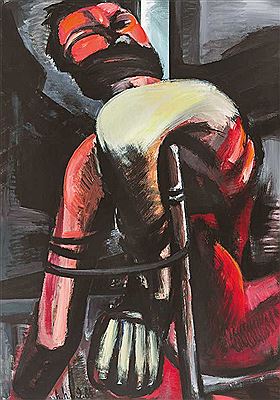
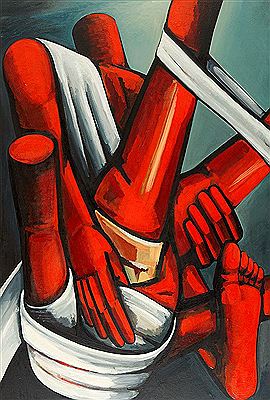
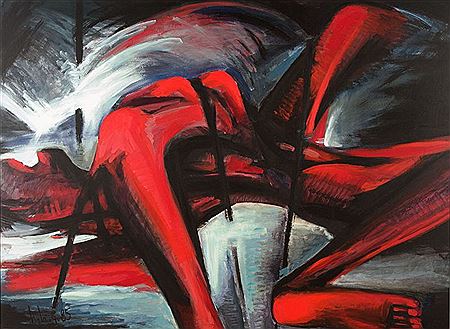
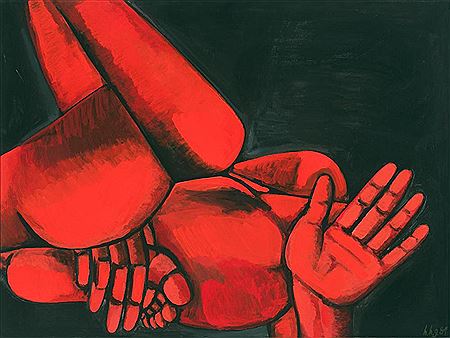
Read full biography Hans-Hendrik Grimmling was born in 1947. Hans-Hendrik Grimmling completed his artistic education at the University of Fine Arts at Werner Tübke, followed by the admission to the master class "Freie Kunst" by Wolfgang Mattheuer. While there, Grimmling experienced an artistic freedom which strengthened him in the search for his own picturesque form. In 1984, as one of six founding members of the "1. Leipziger Herbstsalon", he successfully fought for public exhibitions. His powerful, partly winged bodies with oversized, often clenched hands, dominant colors red and black, give Grimmling a strong voice. His figurations in expressive gestures vary between aggression and injury, touch, embrace and dance. Thanks to the highly focused and narrow image segment, Hans-Hendrik Grimmling succeeds in capturing intimate and suspense-laden situations and and forces them onto the screen.