1806 - 1893. Known for: Painting.
Heinrich Koch was born in 1806, Krefeld. He was a German painter of the 19th century. During the 1820's, Koch went to Dusseldorf, where he studied at the art academy of the city. Among his teachers...
Read full biography Heinrich Koch was born in 1806, Krefeld. He was a German painter of the 19th century. During the 1820's, Koch went to Dusseldorf, where he studied at the art academy of the city. Among his teachers were Friedrich Wilhelm von Schadow, Johann Wilhelm Schirmer, and Carl Friedrich Lessing. The artist...
Read full biography Heinrich Koch was born in 1806, Krefeld. He was a German painter of the 19th century. During the 1820's, Koch went to Dusseldorf, where he studied at the art academy of the city. Among his teachers were Friedrich Wilhelm von Schadow, Johann Wilhelm Schirmer, and Carl Friedrich Lessing. The artist sent his works to be shown in the exhibitions of the academy in Berlin. Later, he returned to his hometown Krefeld. The artist primarily painted landscapes occasionally with figurative staffage....
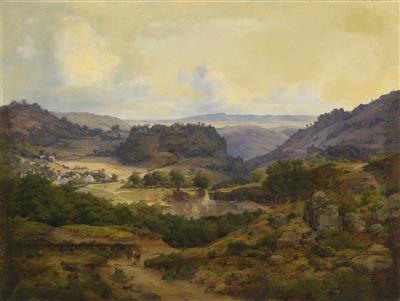
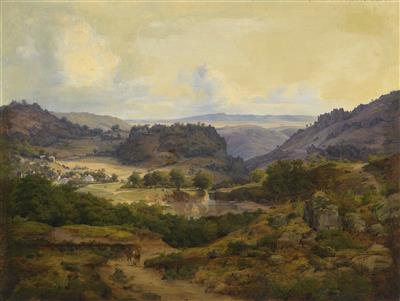
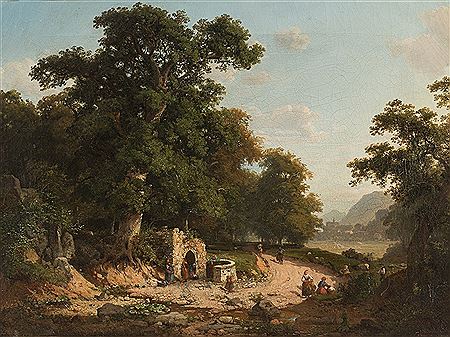
Read full biography Heinrich Koch was born in 1806, Krefeld. He was a German painter of the 19th century. During the 1820's, Koch went to Dusseldorf, where he studied at the art academy of the city. Among his teachers were Friedrich Wilhelm von Schadow, Johann Wilhelm Schirmer, and Carl Friedrich Lessing. The artist sent his works to be shown in the exhibitions of the academy in Berlin. Later, he returned to his hometown Krefeld. The artist primarily painted landscapes occasionally with figurative staffage.
Heinrich Koch was born in 1806, Krefeld. He was a German painter of the 19th century. During the 1820's, Koch went to Dusseldorf, where he studied at the art academy of the city. Among his teachers were Friedrich Wilhelm von Schadow, Johann Wilhelm Schirmer, and Carl Friedrich Lessing. The artist sent his works to be shown in the exhibitions of the academy in Berlin. Later, he returned to his hometown Krefeld. The artist primarily painted landscapes occasionally with figurative staffage.