c.1525 Antwerp, Belgium - 1589. Known for: Cityscape, birds-eye views of Rome.
Hendrik van Cleve was a Flemish painter, draftsman, and printmaker who flourished in the 16th century. He is known for his topographical views, including views of Rome and the Vatican, as well as...
Read full biography Hendrik van Cleve was a Flemish painter, draftsman, and printmaker who flourished in the 16th century. He is known for his topographical views, including views of Rome and the Vatican, as well as imaginary landscapes. Many depictions of the construction of the Tower of Babel have been attributed to...
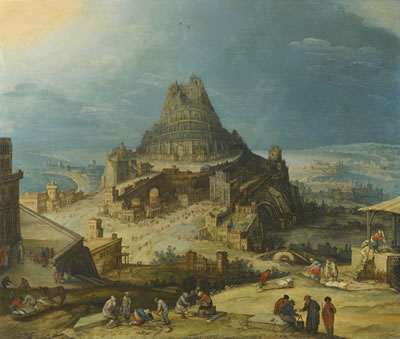
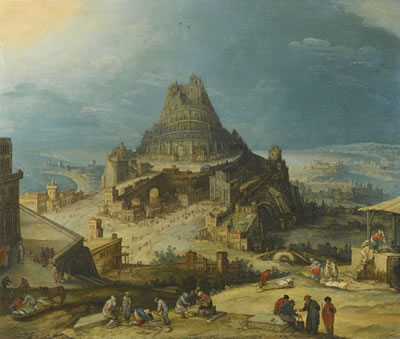
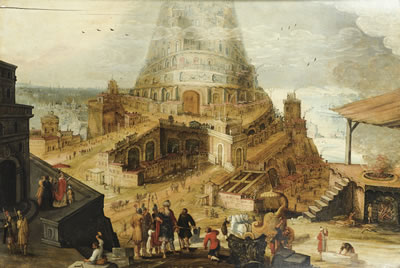
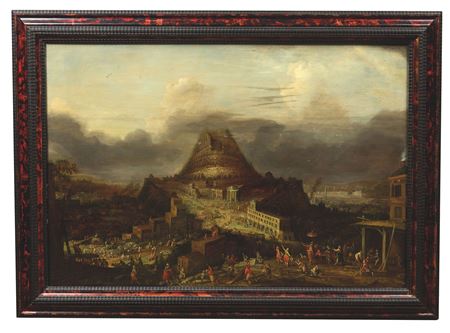
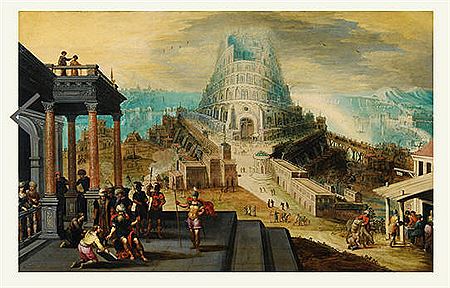
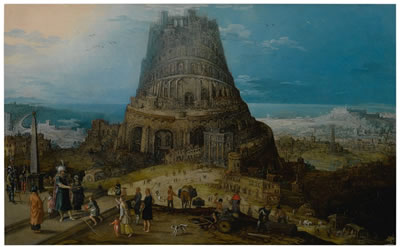
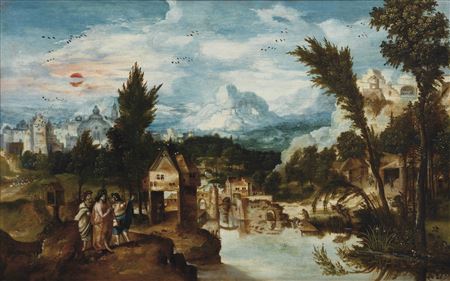
Read full biography Hendrik van Cleve was a Flemish painter, draftsman, and printmaker who flourished in the 16th century. He is known for his topographical views, including views of Rome and the Vatican, as well as imaginary landscapes. Many depictions of the construction of the Tower of Babel have been attributed to him, but some are now attributed to anonymous Flemish painters. It is assumed that he stayed in Italy between 1551 and 1555 and made many drawings there, which he later used in his works.
Hendrik van Cleve was a Flemish painter, draftsman, and printmaker who flourished in the 16th century. He is known for his topographical views, including views of Rome and the Vatican, as well as imaginary landscapes. Many depictions of the construction of the Tower of Babel have been attributed to him, but some are now attributed to anonymous Flemish painters. It is assumed that he stayed in Italy between 1551 and 1555 and made many drawings there, which he later used in his works.
Hendrik van Cleve was a Flemish painter, draftsman, and printmaker who flourished in the 16th century. He is known for his topographical views, including views of Rome and the Vatican, as well as imaginary landscapes. Many depictions of the construction of the Tower of Babel have been attributed to him, but some are now attributed to anonymous Flemish painters. It is assumed that he stayed in Italy between 1551 and 1555 and made many drawings there, which he later used in his works.