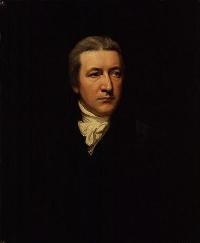
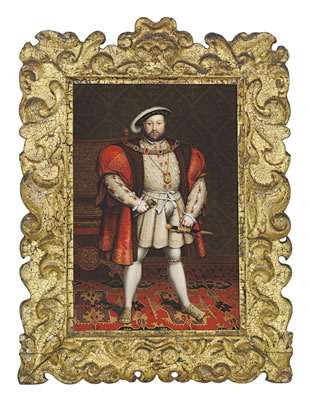
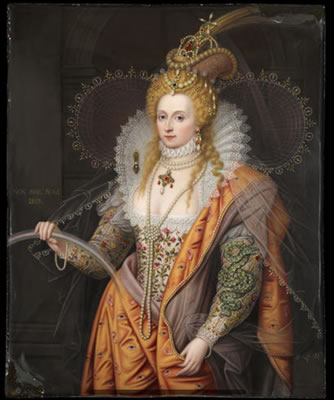
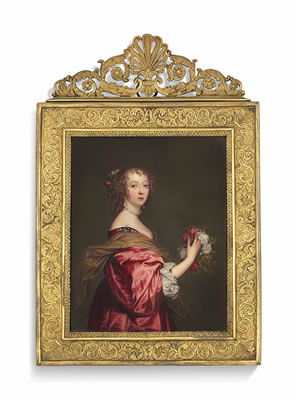
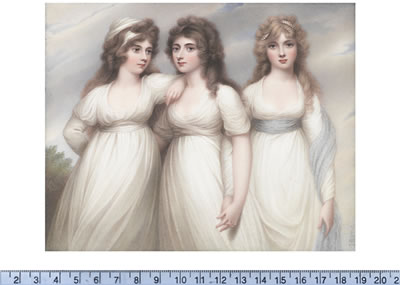
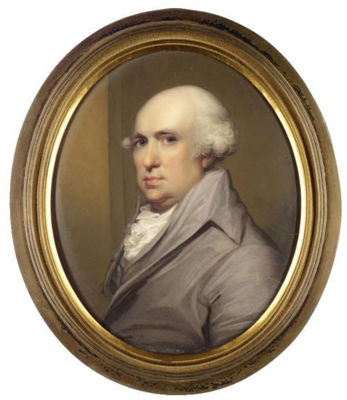
Henry Bone, the son of a cabinetmaker, was born in Truro, Cornwall. He began his career in 1767 painting on hard paste china at the Cookworthy factory in Plymouth until its bankruptcy in 1779. He... Read full biography
Henry Bone, the son of a cabinetmaker, was born in Truro, Cornwall. He began his career in 1767 painting on hard paste china at the Cookworthy factory in Plymouth until its bankruptcy in 1779. He subsequently moved to London where he began painting miniatures and eventually expanded into enamel... Read full biography
Henry Bone, the son of a cabinetmaker, was born in Truro, Cornwall. He began his career in 1767 painting on hard paste china at the Cookworthy factory in Plymouth until its bankruptcy in 1779. He subsequently moved to London where he began painting miniatures and eventually expanded into enamel copies of paintings and enamel portraits. His process involved visiting collections and copying paintings, either the originals or copies, onto a square sheet of paper. Done in pencil, these drawings... Read full biography
Henry Bone, the son of a cabinetmaker, was born in Truro, Cornwall. He began his career in 1767 painting on hard paste china at the Cookworthy factory in Plymouth until its bankruptcy in 1779. He subsequently moved to London where he began painting miniatures and eventually expanded into enamel copies of paintings and enamel portraits. His process involved visiting collections and copying paintings, either the originals or copies, onto a square sheet of paper. Done in pencil, these drawings were then transferred to ink and finally transferred to and fired onto a prepared enamel plaque of copper or brass. Many of the initial drawings were preserved and annotated and are now in the National Portrait Gallery, London. These drawings are... Read full biography
Henry Bone, the son of a cabinetmaker, was born in Truro, Cornwall. He began his career in 1767 painting on hard paste china at the Cookworthy factory in Plymouth until its bankruptcy in 1779. He subsequently moved to London where he began painting miniatures and eventually expanded into enamel copies of paintings and enamel portraits. His process involved visiting collections and copying paintings, either the originals or copies, onto a square sheet of paper. Done in pencil, these drawings were then transferred to ink and finally transferred to and fired onto a prepared enamel plaque of copper or brass. Many of the initial drawings were preserved and annotated and are now in the National Portrait Gallery, London. These drawings are discussed R. Walker, 'Henry Bone's Pencil Drawings,' The Walpole Society, 1999, Vol. 60. He was appointe... Read full biography
Henry Bone - Art Prices in Auction LotsAuction Lots