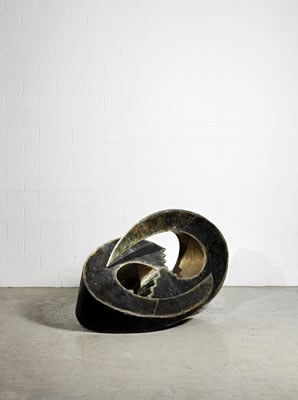
Shirazeh Houshiary, who emerged in the early 1980s with British sculptors such as Tony Cragg, Richard Deacon and Anish Kapoor, first became known for her allusive environments and biomorphic... Read full biography
Shirazeh Houshiary, who emerged in the early 1980s with British sculptors such as Tony Cragg, Richard Deacon and Anish Kapoor, first became known for her allusive environments and biomorphic sculptural forms. However, in the following decade, Houshiary increasingly created drawings and... Read full biography
Shirazeh Houshiary, who emerged in the early 1980s with British sculptors such as Tony Cragg, Richard Deacon and Anish Kapoor, first became known for her allusive environments and biomorphic sculptural forms. However, in the following decade, Houshiary increasingly created drawings and monochromatic paintings of delicate geometric patterns composed of 13th-century Arabic poetry. Eschewing any fixed categorization, Houshiary’s works recall diverse artistic traditions, from Islamic architecture... Read full biography
Shirazeh Houshiary, who emerged in the early 1980s with British sculptors such as Tony Cragg, Richard Deacon and Anish Kapoor, first became known for her allusive environments and biomorphic sculptural forms. However, in the following decade, Houshiary increasingly created drawings and monochromatic paintings of delicate geometric patterns composed of 13th-century Arabic poetry. Eschewing any fixed categorization, Houshiary’s works recall diverse artistic traditions, from Islamic architecture and calligraphy to the paintings of Western artists such as Kazimir Malevich, Ad Reinhardt, Mark Rothko, and Agnes Martin. Even Houshiary’s monumental spiral towers of anodized aluminum suggest Constantin Brancusi’s Endless Column (1938) and the... Read full biography
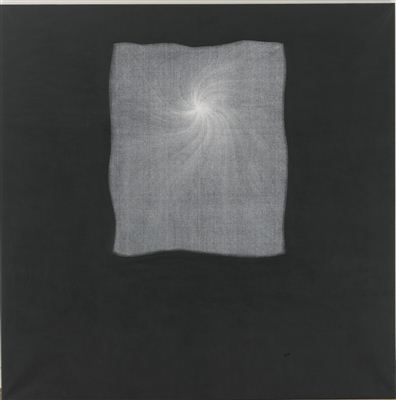
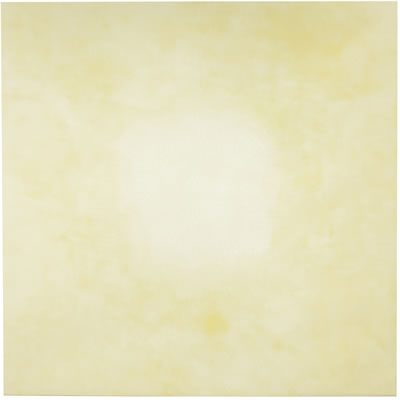
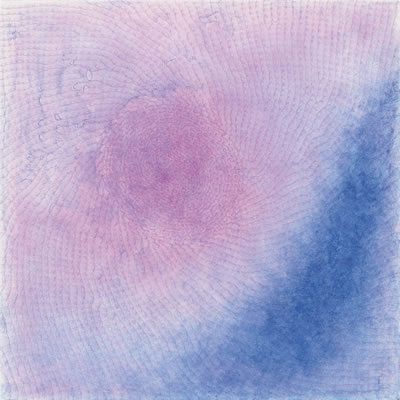
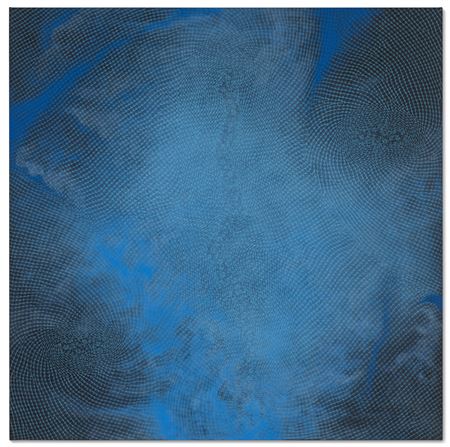
Shirazeh Houshiary, who emerged in the early 1980s with British sculptors such as Tony Cragg, Richard Deacon and Anish Kapoor, first became known for her allusive environments and biomorphic sculptural forms. However, in the following decade, Houshiary increasingly created drawings and monochromatic paintings of delicate geometric patterns composed of 13th-century Arabic poetry. Eschewing any fixed categorization, Houshiary’s works recall diverse artistic traditions, from Islamic architecture and calligraphy to the paintings of Western artists such as Kazimir Malevich, Ad Reinhardt, Mark Rothko, and Agnes Martin. Even Houshiary’s monumental spiral towers of anodized aluminum suggest Constantin Brancusi’s Endless Column (1938) and the four-screen video animation Breath (2003) draws on Buddhism, Christianity, Judaism and Sufism. “I set out to capture m... Read full biography
Houshiary Shirazeh - Art Prices in Auction LotsAuction Lots