Ilse Haefner-Mode grew up in Berlin, where she studied at the Academy of Fine Arts in Charlottenburg mid-1920s. The Jewish artist who was in 1927 the first exhibition was in 1933 granted by the... Read full biography
Ilse Haefner-Mode grew up in Berlin, where she studied at the Academy of Fine Arts in Charlottenburg mid-1920s. The Jewish artist who was in 1927 the first exhibition was in 1933 granted by the Nazis, the exhibition ban and the Association of the Berlin artists she graduated from its ranks from. In... Read full biography
Ilse Haefner-Mode grew up in Berlin, where she studied at the Academy of Fine Arts in Charlottenburg mid-1920s. The Jewish artist who was in 1927 the first exhibition was in 1933 granted by the Nazis, the exhibition ban and the Association of the Berlin artists she graduated from its ranks from. In 1942 she moved into the rural Leopoldshöhe near Detmold, where she was denounced by villagers arrested by the Gestapo and taken to the women's camp near Kassel same. Also in the camp worked Haefner... Read full biography
Ilse Haefner-Mode grew up in Berlin, where she studied at the Academy of Fine Arts in Charlottenburg mid-1920s. The Jewish artist who was in 1927 the first exhibition was in 1933 granted by the Nazis, the exhibition ban and the Association of the Berlin artists she graduated from its ranks from. In 1942 she moved into the rural Leopoldshöhe near Detmold, where she was denounced by villagers arrested by the Gestapo and taken to the women's camp near Kassel same. Also in the camp worked Haefner mode as far as possible with artistic ink and pencil. After the camp was liberated in 1945, Haefner mode initially lived for a time in Switzerland and then returned to Germany. She lived there first again in Leopoldshöhe, but moved in 1955 to... Read full biography
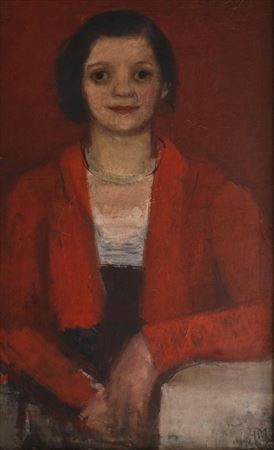
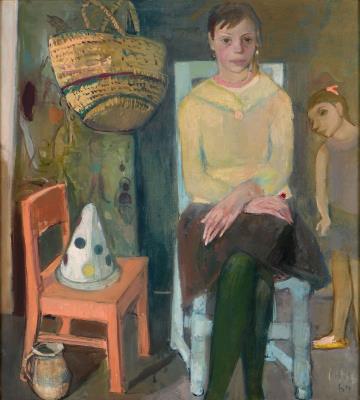
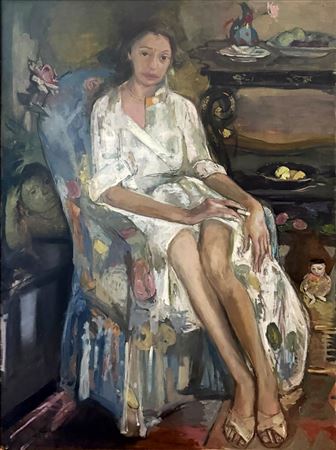
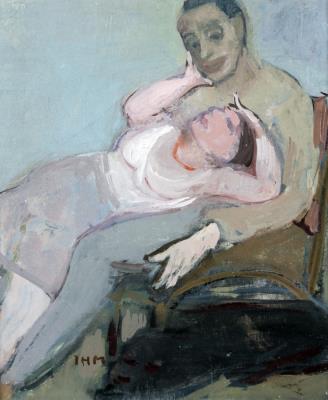
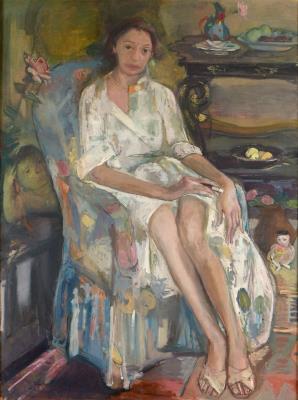
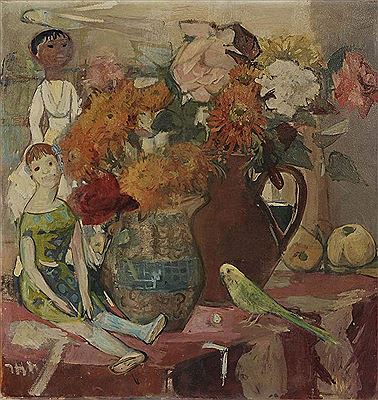
Ilse Haefner-Mode grew up in Berlin, where she studied at the Academy of Fine Arts in Charlottenburg mid-1920s. The Jewish artist who was in 1927 the first exhibition was in 1933 granted by the Nazis, the exhibition ban and the Association of the Berlin artists she graduated from its ranks from. In 1942 she moved into the rural Leopoldshöhe near Detmold, where she was denounced by villagers arrested by the Gestapo and taken to the women's camp near Kassel same. Also in the camp worked Haefner mode as far as possible with artistic ink and pencil. After the camp was liberated in 1945, Haefner mode initially lived for a time in Switzerland and then returned to Germany. She lived there first again in Leopoldshöhe, but moved in 1955 to Dusseldorf where she again worked as an artist and repeatedly exhibited her paintings, such as the City History Museum and the Art Hall. Haefner modes... Read full biography
Ilse Hafner-Mode - Art Prices in Auction LotsAuction Lots