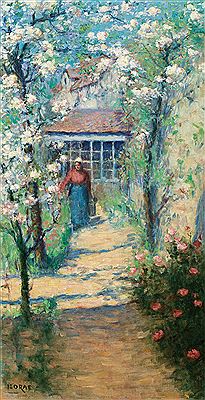
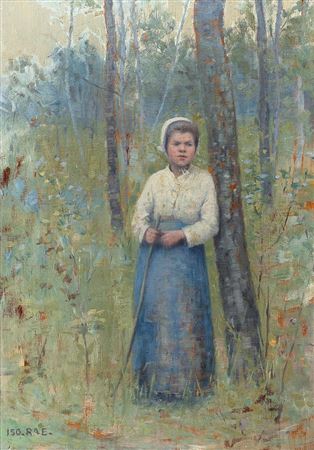
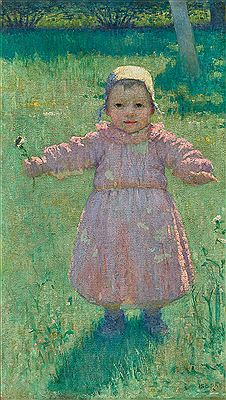
1860 Melbourne, Australia - 1940. Known for: Post-Impressionist style, black outlines filled with flat areas of color.
Iso Rae was an Australian woman artist born in Melbourne in 1860. She studied at the National Gallery School in Melbourne and later moved to Paris with her mother and sister, where she was influenced...
Read full biography Iso Rae was an Australian woman artist born in Melbourne in 1860. She studied at the National Gallery School in Melbourne and later moved to Paris with her mother and sister, where she was influenced by French Post-Impressionist artists. In 1890, the family moved to Étaples in Picardy, where an...
Read full biography Iso Rae was an Australian woman artist born in Melbourne in 1860. She studied at the National Gallery School in Melbourne and later moved to Paris with her mother and sister, where she was influenced by French Post-Impressionist artists. In 1890, the family moved to Étaples in Picardy, where an artists' colony of Australians, British, and Americans had congregated. Rae exhibited and sold her large oil paintings in the Paris Salon and in London, and was favorably reviewed by art critics. During...
Read full biography Iso Rae was an Australian woman artist born in Melbourne in 1860. She studied at the National Gallery School in Melbourne and later moved to Paris with her mother and sister, where she was influenced by French Post-Impressionist artists. In 1890, the family moved to Étaples in Picardy, where an artists' colony of Australians, British, and Americans had congregated. Rae exhibited and sold her large oil paintings in the Paris Salon and in London, and was favorably reviewed by art critics. During World War I, Rae documented the activities of the Étaples Army Base Camp, where she lived with her family. She became one of only two Australian women artists to document the war in France
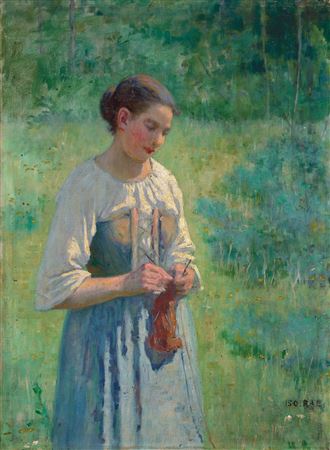
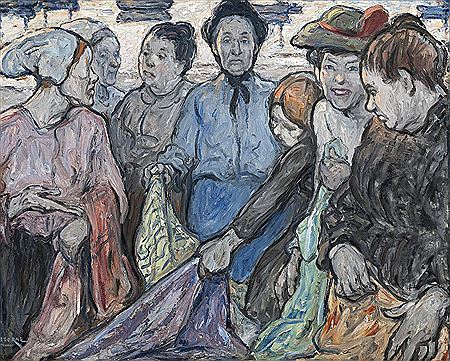
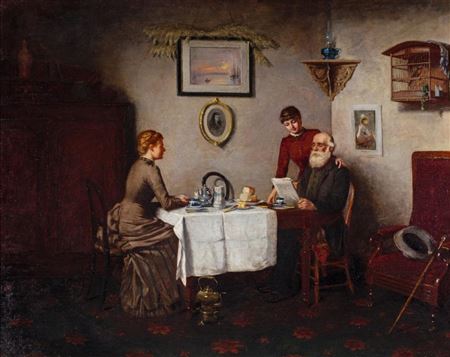
Iso Rae was an Australian woman artist born in Melbourne in 1860. She studied at the National Gallery School in Melbourne and later moved to Paris with her mother and sister, where she was influenced by French Post-Impressionist artists. In 1890, the family moved to Étaples in Picardy, where an artists' colony of Australians, British, and Americans had congregated. Rae exhibited and sold her large oil paintings in the Paris Salon and in London, and was favorably reviewed by art critics. During World War I, Rae documented the activities of the Étaples Army Base Camp, where she lived with her family. She became one of only two Australian women artists to document the war in France