1627 Gorinchem - 1689 Noordwijk. Known for: Architectural and figure painting.
Like many Dutch artists, Jacob van der Ulft was attracted by the light and the reliefs of the South but we cannot say with certainty that he crossed the Alps to go to Italy. Numerous sketches and...
Read full biography Like many Dutch artists, Jacob van der Ulft was attracted by the light and the reliefs of the South but we cannot say with certainty that he crossed the Alps to go to Italy. Numerous sketches and brown ink washes lead us to believe that he made this trip like Jan Both, Nicolas Berchem, Karel...
Read full biography Like many Dutch artists, Jacob van der Ulft was attracted by the light and the reliefs of the South but we cannot say with certainty that he crossed the Alps to go to Italy. Numerous sketches and brown ink washes lead us to believe that he made this trip like Jan Both, Nicolas Berchem, Karel Dujardin or Jan Asselyn. Renowned for his activity as a painter on glass, of which almost nothing remains, he provided a framework for his scenes sometimes drawn from classical history, sometimes simply...
Read full biography Like many Dutch artists, Jacob van der Ulft was attracted by the light and the reliefs of the South but we cannot say with certainty that he crossed the Alps to go to Italy. Numerous sketches and brown ink washes lead us to believe that he made this trip like Jan Both, Nicolas Berchem, Karel Dujardin or Jan Asselyn. Renowned for his activity as a painter on glass, of which almost nothing remains, he provided a framework for his scenes sometimes drawn from classical history, sometimes simply anecdotal of majestic classical architecture always inspired by Italy....
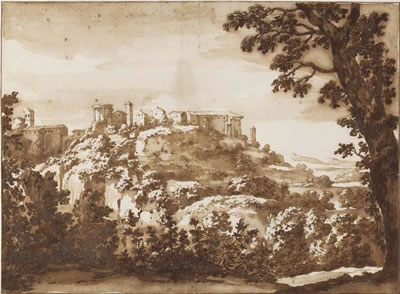
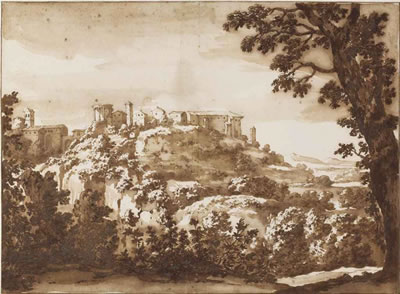
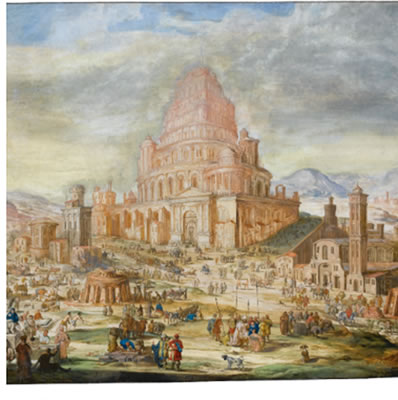
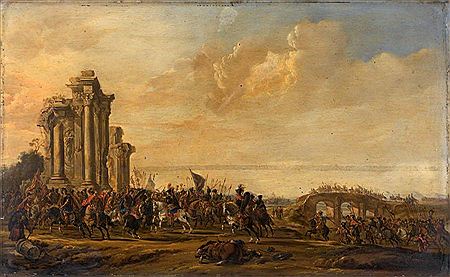
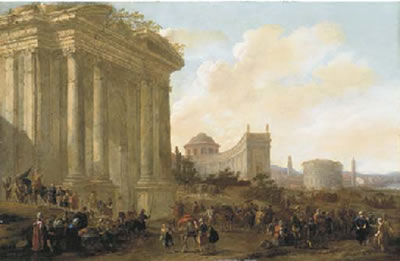
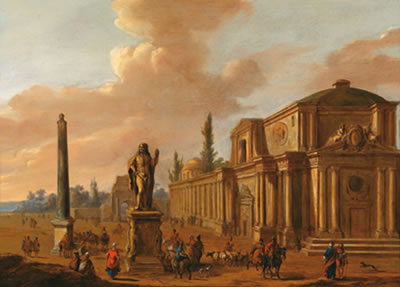
Read full biography Like many Dutch artists, Jacob van der Ulft was attracted by the light and the reliefs of the South but we cannot say with certainty that he crossed the Alps to go to Italy. Numerous sketches and brown ink washes lead us to believe that he made this trip like Jan Both, Nicolas Berchem, Karel Dujardin or Jan Asselyn. Renowned for his activity as a painter on glass, of which almost nothing remains, he provided a framework for his scenes sometimes drawn from classical history, sometimes simply anecdotal of majestic classical architecture always inspired by Italy.