20/21st centuries. Known for: Aboriginal painting.
Jacqueline Reid Nakamarra was born in 1958 in Papunya. She is the daughter of Makinti Napanangka, one of the pioneers of the artistic movement in the western desert among women and a famous artist....
Read full biography Jacqueline Reid Nakamarra was born in 1958 in Papunya. She is the daughter of Makinti Napanangka, one of the pioneers of the artistic movement in the western desert among women and a famous artist. We can also see a great similarity in the patterns used by the two artists. They refer most of the...
Read full biography Jacqueline Reid Nakamarra was born in 1958 in Papunya. She is the daughter of Makinti Napanangka, one of the pioneers of the artistic movement in the western desert among women and a famous artist. We can also see a great similarity in the patterns used by the two artists. They refer most of the time both to the environment of sacred sites of which they are the guardians (the motifs are often associated with the rocky site of Lupul / Lupulnga south of Kintore) but also to the hair cords with...
Read full biography Jacqueline Reid Nakamarra was born in 1958 in Papunya. She is the daughter of Makinti Napanangka, one of the pioneers of the artistic movement in the western desert among women and a famous artist. We can also see a great similarity in the patterns used by the two artists. They refer most of the time both to the environment of sacred sites of which they are the guardians (the motifs are often associated with the rocky site of Lupul / Lupulnga south of Kintore) but also to the hair cords with which women are going to make ceremonial skirts.
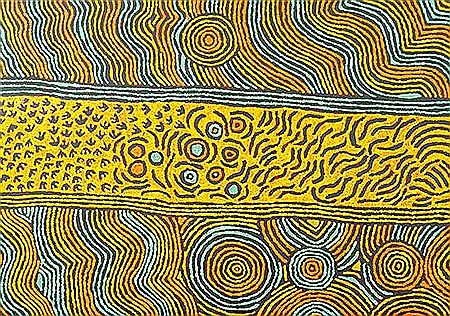
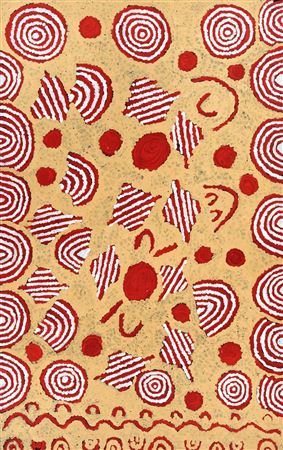
Jacqueline Reid Nakamarra was born in 1958 in Papunya. She is the daughter of Makinti Napanangka, one of the pioneers of the artistic movement in the western desert among women and a famous artist. We can also see a great similarity in the patterns used by the two artists. They refer most of the time both to the environment of sacred sites of which they are the guardians (the motifs are often associated with the rocky site of Lupul / Lupulnga south of Kintore) but also to the hair cords with which women are going to make ceremonial skirts.