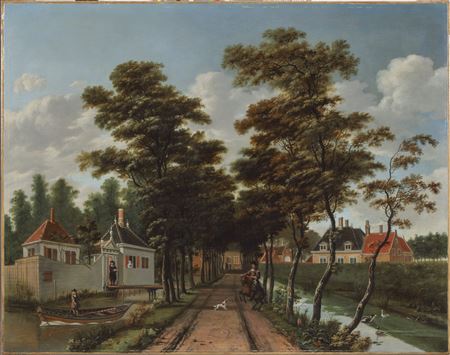
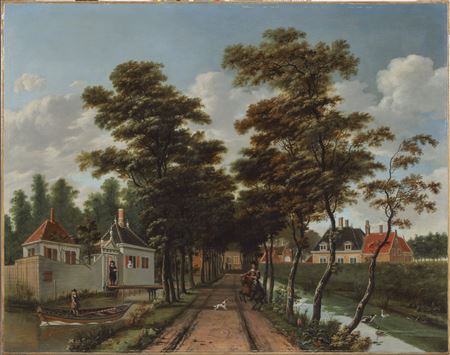
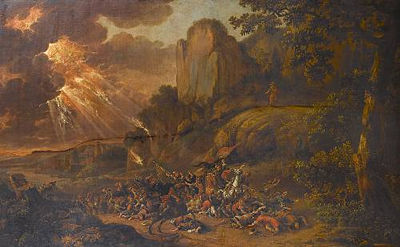
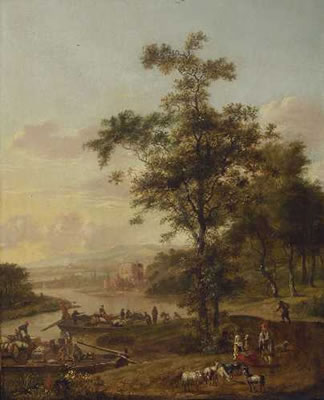
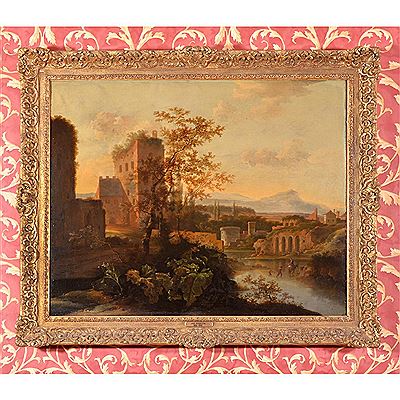
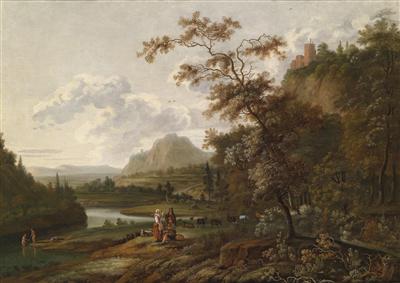
1625 - 1707. Known for: Landscape painting with an Italianizing character.
Jan Gabrielsz Sonjé was born in Delft around 1625 and was a pupil of Adam Pynacker. He enrolled in the guild of the city in 1646 and was documented in Rotterdam in 1654 and in Dordrecht in 1665. He...
Read full biography Jan Gabrielsz Sonjé was born in Delft around 1625 and was a pupil of Adam Pynacker. He enrolled in the guild of the city in 1646 and was documented in Rotterdam in 1654 and in Dordrecht in 1665. He specialized in landscape painting and his work had an affinity with Frederick Moucheron, especially...
Read full biography Jan Gabrielsz Sonjé was born in Delft around 1625 and was a pupil of Adam Pynacker. He enrolled in the guild of the city in 1646 and was documented in Rotterdam in 1654 and in Dordrecht in 1665. He specialized in landscape painting and his work had an affinity with Frederick Moucheron, especially when he painted views with an Italianizing character. Although there are no known documents concerning a trip to Italy, Pynacker's art certainly allowed him to acquire the patterns and characteristics...
Read full biography Jan Gabrielsz Sonjé was born in Delft around 1625 and was a pupil of Adam Pynacker. He enrolled in the guild of the city in 1646 and was documented in Rotterdam in 1654 and in Dordrecht in 1665. He specialized in landscape painting and his work had an affinity with Frederick Moucheron, especially when he painted views with an Italianizing character. Although there are no known documents concerning a trip to Italy, Pynacker's art certainly allowed him to acquire the patterns and characteristics of brightness of the Italian landscape during his apprenticeship.
Jan Gabrielsz Sonjé was born in Delft around 1625 and was a pupil of Adam Pynacker. He enrolled in the guild of the city in 1646 and was documented in Rotterdam in 1654 and in Dordrecht in 1665. He specialized in landscape painting and his work had an affinity with Frederick Moucheron, especially when he painted views with an Italianizing character. Although there are no known documents concerning a trip to Italy, Pynacker's art certainly allowed him to acquire the patterns and characteristics of brightness of the Italian landscape during his apprenticeship.