Jan Josef Horemans (le Clair) qualified as a master of the Guild of St Luke in Antwerp on 10 February 1767 and was dean of the Guild on two occasions (1768-9 and 1775-6). He was a placid apologist... Read full biography
Jan Josef Horemans (le Clair) qualified as a master of the Guild of St Luke in Antwerp on 10 February 1767 and was dean of the Guild on two occasions (1768-9 and 1775-6). He was a placid apologist for bourgeois virtues and, following his father's (Jan Josef Horemans I) example, admirably recreated... Read full biography
Jan Josef Horemans (le Clair) qualified as a master of the Guild of St Luke in Antwerp on 10 February 1767 and was dean of the Guild on two occasions (1768-9 and 1775-6). He was a placid apologist for bourgeois virtues and, following his father's (Jan Josef Horemans I) example, admirably recreated the atmosphere of his age in a multitude of small paintings that are pleasantly animated and have an old-fashioned charm. He also signed in the same way as his father, but his style was more... Read full biography
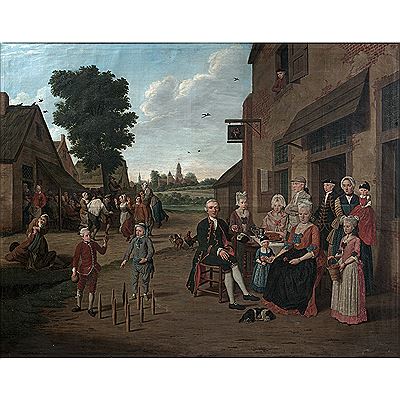
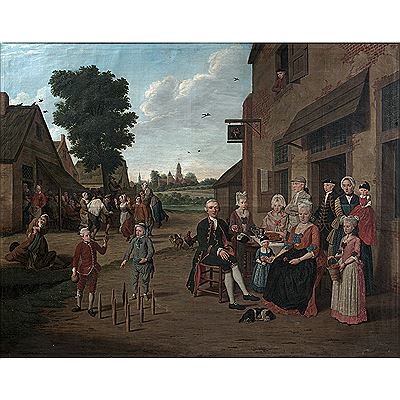
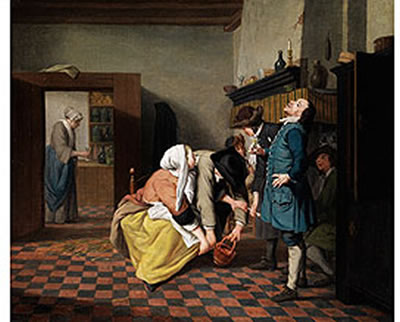
Jan Josef Horemans (le Clair) qualified as a master of the Guild of St Luke in Antwerp on 10 February 1767 and was dean of the Guild on two occasions (1768-9 and 1775-6). He was a placid apologist for bourgeois virtues and, following his father's (Jan Josef Horemans I) example, admirably recreated the atmosphere of his age in a multitude of small paintings that are pleasantly animated and have an old-fashioned charm. He also signed in the same way as his father, but his style was more distinguished and sensitive and his palette lighter (earning him the nickname that distinguishes him from his father). Works such as the Musical Company, the Interior with Figures (both Amsterdam, Rijksmuseum), The Minuet (Geneva, Museum of Art & History) and... Read full biography
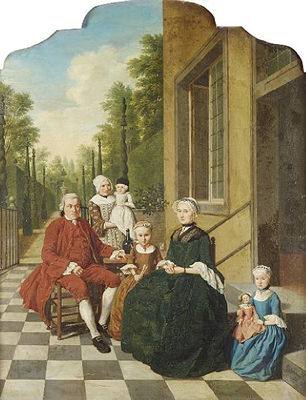
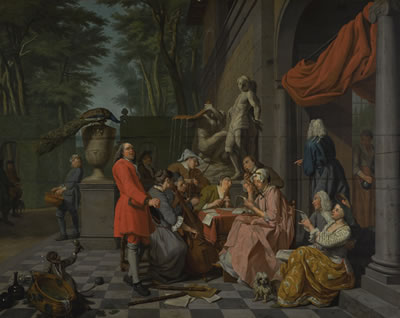
Jan Josef Horemans (le Clair) qualified as a master of the Guild of St Luke in Antwerp on 10 February 1767 and was dean of the Guild on two occasions (1768-9 and 1775-6). He was a placid apologist for bourgeois virtues and, following his father's (Jan Josef Horemans I) example, admirably recreated the atmosphere of his age in a multitude of small paintings that are pleasantly animated and have an old-fashioned charm. He also signed in the same way as his father, but his style was more distinguished and sensitive and his palette lighter (earning him the nickname that distinguishes him from his father). Works such as the Musical Company, the Interior with Figures (both Amsterdam, Rijksmuseum), The Minuet (Geneva, Museum of Art & History) and the Portrait of a Family (1772; Utrecht, Centraal Museum) combine traditional genre painting with the 18th-century co... Read full biography
Jan Josef (the Younger) Horemans II - Art Prices in Auction LotsAuction Lots