1918 Prague - 1998 Prague. Known for: Abstract elements, concrete forms, urban and industrial landscape.
Jan Smetana, the youngest member of Group 42, was known for his aesthetically refined and collector-attractive work during the 1960s. He transformed what he saw into abstract elements and concrete...
Read full biography Jan Smetana, the youngest member of Group 42, was known for his aesthetically refined and collector-attractive work during the 1960s. He transformed what he saw into abstract elements and concrete forms, developing a distinctive visual language. Smetana focused thematically on the melancholy of...
Read full biography Jan Smetana, the youngest member of Group 42, was known for his aesthetically refined and collector-attractive work during the 1960s. He transformed what he saw into abstract elements and concrete forms, developing a distinctive visual language. Smetana focused thematically on the melancholy of peripheries, urban and industrial landscapes, particularly Prague. During the 1950s, under ideological pressure, he turned to classical free landscape painting. In the 1990s, he created large...
Read full biography Jan Smetana, the youngest member of Group 42, was known for his aesthetically refined and collector-attractive work during the 1960s. He transformed what he saw into abstract elements and concrete forms, developing a distinctive visual language. Smetana focused thematically on the melancholy of peripheries, urban and industrial landscapes, particularly Prague. During the 1950s, under ideological pressure, he turned to classical free landscape painting. In the 1990s, he created large compositions blending urban landscape shapes with colored structures.
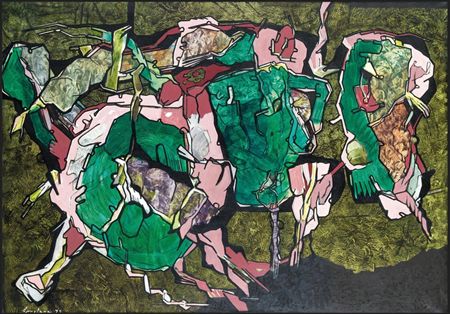
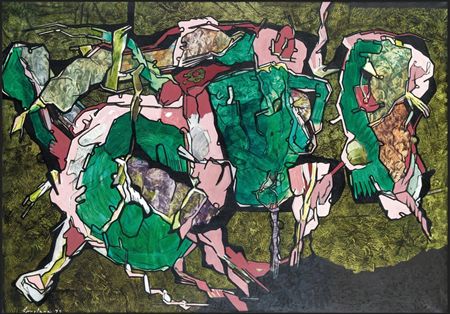
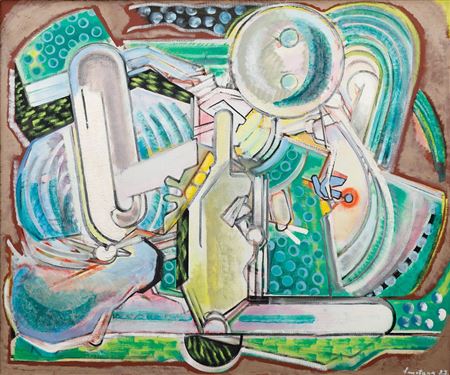
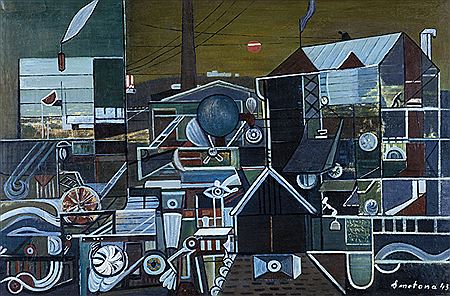
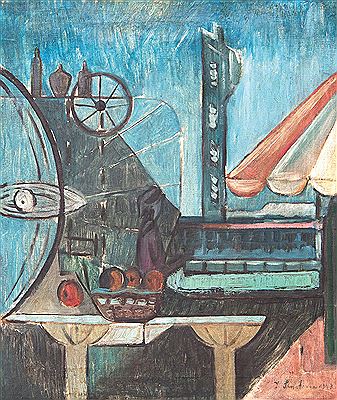
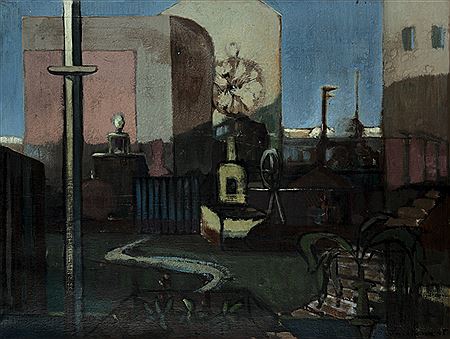
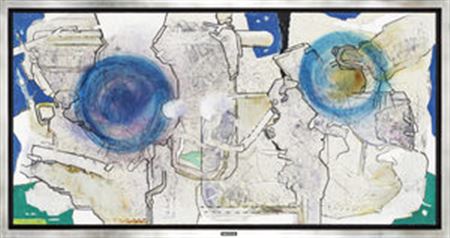
Jan Smetana, the youngest member of Group 42, was known for his aesthetically refined and collector-attractive work during the 1960s. He transformed what he saw into abstract elements and concrete forms, developing a distinctive visual language. Smetana focused thematically on the melancholy of peripheries, urban and industrial landscapes, particularly Prague. During the 1950s, under ideological pressure, he turned to classical free landscape painting. In the 1990s, he created large compositions blending urban landscape shapes with colored structures.