1853 - 1927. Known for: Painting.
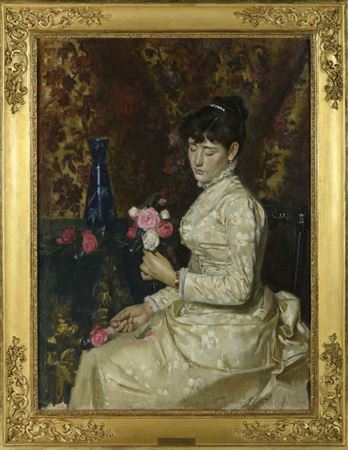
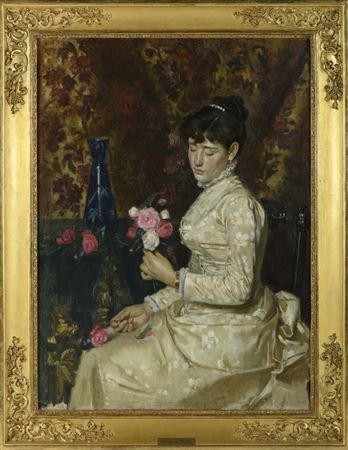
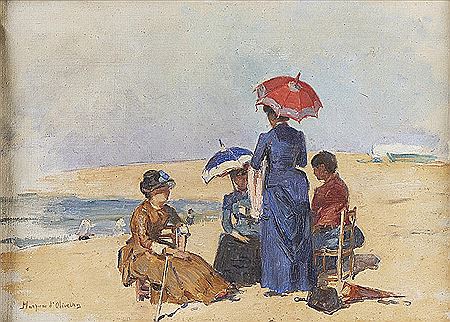
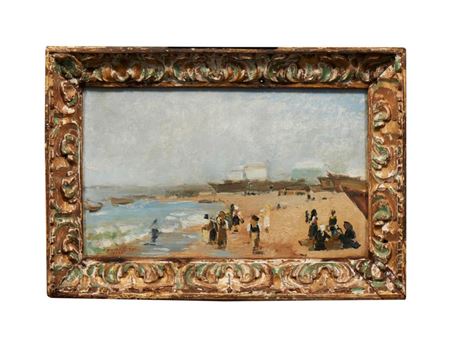
A colleague of Silva Porto at the Academia Portuense, in Paris and Rome, Marques de Oliveira born in 1853 in Portugal, approaches Monet's para-impressionist schemes. The spontaneity and capacity for...
Read full biography A colleague of Silva Porto at the Academia Portuense, in Paris and Rome, Marques de Oliveira born in 1853 in Portugal, approaches Monet's para-impressionist schemes. The spontaneity and capacity for synthesis in the schematization of figures and landscape give it a character of modernity that...
Read full biography A colleague of Silva Porto at the Academia Portuense, in Paris and Rome, Marques de Oliveira born in 1853 in Portugal, approaches Monet's para-impressionist schemes. The spontaneity and capacity for synthesis in the schematization of figures and landscape give it a character of modernity that radically breaks with mimetic visions, placing it close to international avant-garde movements. In 1881 he was appointed professor at the Porto Academy of Fine Arts, of which he would be director for many...
Read full biography A colleague of Silva Porto at the Academia Portuense, in Paris and Rome, Marques de Oliveira born in 1853 in Portugal, approaches Monet's para-impressionist schemes. The spontaneity and capacity for synthesis in the schematization of figures and landscape give it a character of modernity that radically breaks with mimetic visions, placing it close to international avant-garde movements. In 1881 he was appointed professor at the Porto Academy of Fine Arts, of which he would be director for many years, exerting a profound influence on the young painters of his time. Main works exhibited at the Soares dos Reis Museum and the Chiado Museum. De Oliviera died in 1927.
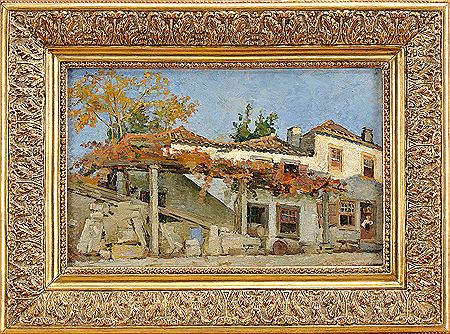
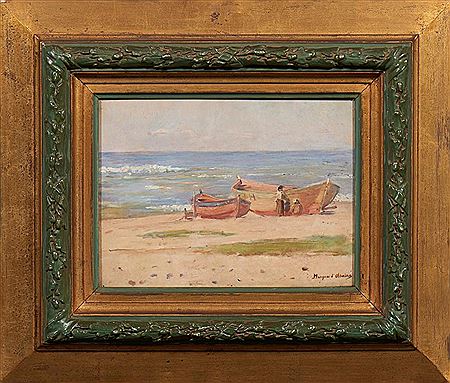
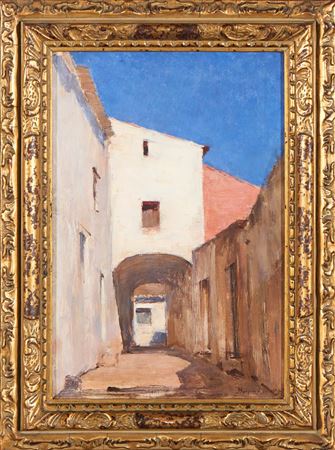
A colleague of Silva Porto at the Academia Portuense, in Paris and Rome, Marques de Oliveira born in 1853 in Portugal, approaches Monet's para-impressionist schemes. The spontaneity and capacity for synthesis in the schematization of figures and landscape give it a character of modernity that radically breaks with mimetic visions, placing it close to international avant-garde movements. In 1881 he was appointed professor at the Porto Academy of Fine Arts, of which he would be director for many years, exerting a profound influence on the young painters of his time. Main works exhibited at the Soares dos Reis Museum and the Chiado Museum. De Oliviera died in 1927.