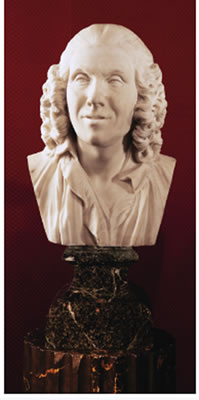
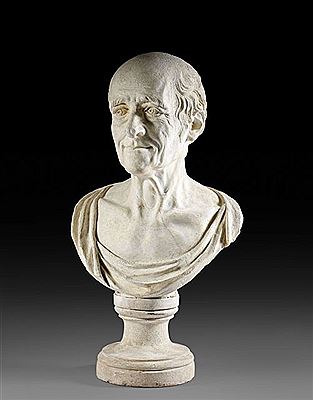
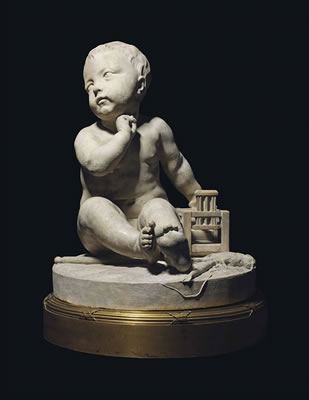
Jean-Baptiste Pigalle (1714-1785). After a hard early life, Jean-Baptiste Pigalle achieved widespread recognition and became one of the leading French sculptors of the 18th century. His work closely... Read full biography
Jean-Baptiste Pigalle (1714-1785). After a hard early life, Jean-Baptiste Pigalle achieved widespread recognition and became one of the leading French sculptors of the 18th century. His work closely reflects the shifts in taste of the Ancien Regime under Louis XV (reigned 1715-74), while he also... Read full biography
Jean-Baptiste Pigalle (1714-1785). After a hard early life, Jean-Baptiste Pigalle achieved widespread recognition and became one of the leading French sculptors of the 18th century. His work closely reflects the shifts in taste of the Ancien Regime under Louis XV (reigned 1715-74), while he also cultivated the friendship of the Philosophers and tried to reflect their ideas in sculptural form. He made his reputation with his acclaimed statue of Mercury (c.1741-2, Louvre, Paris; the terracotta*... Read full biography
Jean-Baptiste Pigalle (1714-1785). After a hard early life, Jean-Baptiste Pigalle achieved widespread recognition and became one of the leading French sculptors of the 18th century. His work closely reflects the shifts in taste of the Ancien Regime under Louis XV (reigned 1715-74), while he also cultivated the friendship of the Philosophers and tried to reflect their ideas in sculptural form. He made his reputation with his acclaimed statue of Mercury (c.1741-2, Louvre, Paris; the terracotta* model is in the Metropolitan Museum of Art, New York), which was shown at the French Academy of Fine Arts* in 1744. Thereafter his rise was swift: in 1752 he was appointed Professor of Sculpture at the Academy, and received numerous royal commissions.... Read full biography
Jean-Baptiste Pigalle (1714-1785). After a hard early life, Jean-Baptiste Pigalle achieved widespread recognition and became one of the leading French sculptors of the 18th century. His work closely reflects the shifts in taste of the Ancien Regime under Louis XV (reigned 1715-74), while he also cultivated the friendship of the Philosophers and tried to reflect their ideas in sculptural form. He made his reputation with his acclaimed statue of Mercury (c.1741-2, Louvre, Paris; the terracotta* model is in the Metropolitan Museum of Art, New York), which was shown at the French Academy of Fine Arts* in 1744. Thereafter his rise was swift: in 1752 he was appointed Professor of Sculpture at the Academy, and received numerous royal commissions. Blessed with great technical ability as a carver, he was equally comfortable with small-scale genre works and t... Read full biography
Jean-Baptiste Pigalle - Art Prices in Auction LotsAuction Lots