Jim Lutes. Born 1955 in Fort Lewis, Washington, ?Lives and works in Chicago, Illinois. Jim Lutes integrates representation and abstraction through his use of images and lyrical marks in the same... Read full biography
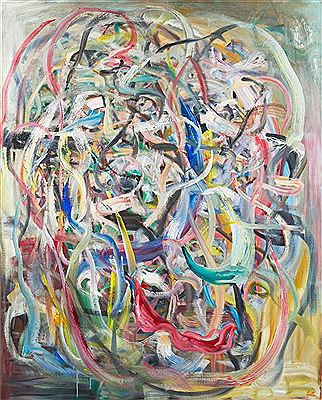
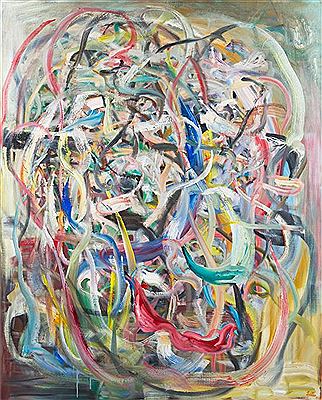
Jim Lutes. Born 1955 in Fort Lewis, Washington, ?Lives and works in Chicago, Illinois. Jim Lutes integrates representation and abstraction through his use of images and lyrical marks in the same pictorial space. In some works, Lutes employs egg tempera—a classical medium not often used in... Read full biography
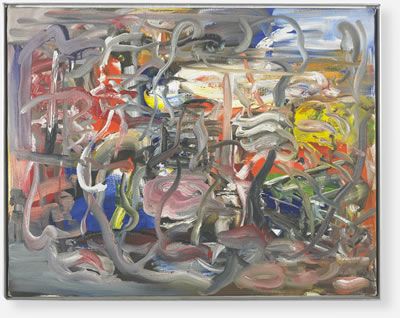
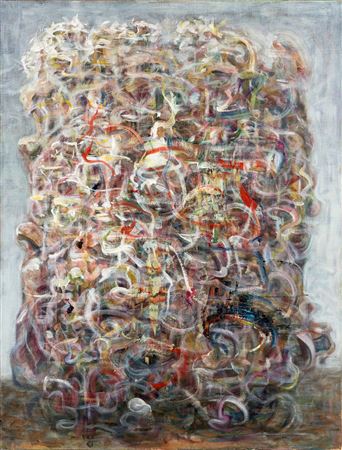
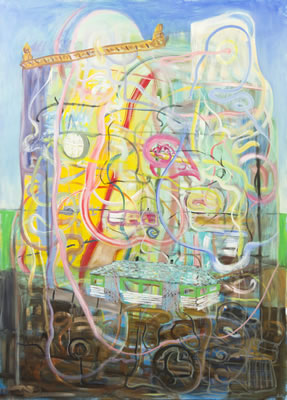
Jim Lutes. Born 1955 in Fort Lewis, Washington, ?Lives and works in Chicago, Illinois. Jim Lutes integrates representation and abstraction through his use of images and lyrical marks in the same pictorial space. In some works, Lutes employs egg tempera—a classical medium not often used in contemporary art—which allows for a great level of fluidity, depth, and luminosity. Lutes's work references his interest in the material qualities of paint and a narrative that blurs present and past. For... Read full biography
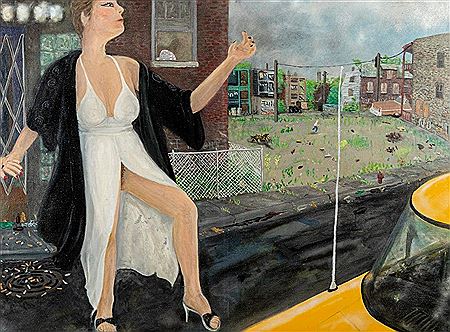
Jim Lutes. Born 1955 in Fort Lewis, Washington, ?Lives and works in Chicago, Illinois. Jim Lutes integrates representation and abstraction through his use of images and lyrical marks in the same pictorial space. In some works, Lutes employs egg tempera—a classical medium not often used in contemporary art—which allows for a great level of fluidity, depth, and luminosity. Lutes's work references his interest in the material qualities of paint and a narrative that blurs present and past. For example, Piece of Barbara, on view on the Museum's second floor, takes its figurative image from a publicity still of Barbara Payton, a 1950s B-movie actress whose career was overshadowed by a tumultuous personal life and premature death. According to... Read full biography
Jim Lutes. Born 1955 in Fort Lewis, Washington, ?Lives and works in Chicago, Illinois. Jim Lutes integrates representation and abstraction through his use of images and lyrical marks in the same pictorial space. In some works, Lutes employs egg tempera—a classical medium not often used in contemporary art—which allows for a great level of fluidity, depth, and luminosity. Lutes's work references his interest in the material qualities of paint and a narrative that blurs present and past. For example, Piece of Barbara, on view on the Museum's second floor, takes its figurative image from a publicity still of Barbara Payton, a 1950s B-movie actress whose career was overshadowed by a tumultuous personal life and premature death. According to Lutes, to paint a likeness is to "paint in opposition to the form, which is both the failure and pleasure of painting." By... Read full biography
Jim Lutes - Art Prices in Auction LotsAuction Lots