One of the most prominent American sculptors of the late 19th century, John Quincy Ward made his reputation as the leader of a group of post-Civil War naturalistic sculptors dedicated to American... Read full biography
One of the most prominent American sculptors of the late 19th century, John Quincy Ward made his reputation as the leader of a group of post-Civil War naturalistic sculptors dedicated to American themes that rebelled against the prevalent neo-classical aesthetic of graceful, submissive-seeming... Read full biography
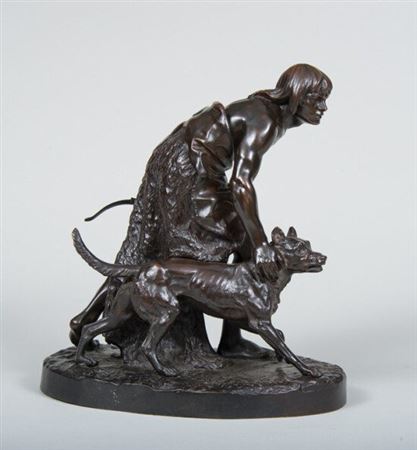
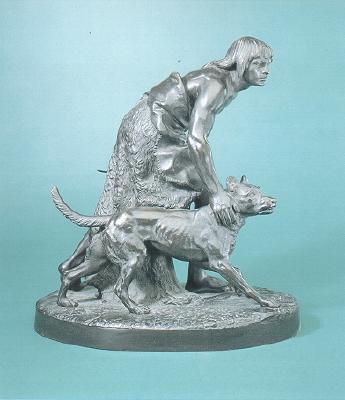
One of the most prominent American sculptors of the late 19th century, John Quincy Ward made his reputation as the leader of a group of post-Civil War naturalistic sculptors dedicated to American themes that rebelled against the prevalent neo-classical aesthetic of graceful, submissive-seeming figures. Ward created sculpture in a vigorous, masculine style that spoke of strength and dominance rather than grace and submission. Characteristic of his simple, direct style is The Indian Hunter, which... Read full biography
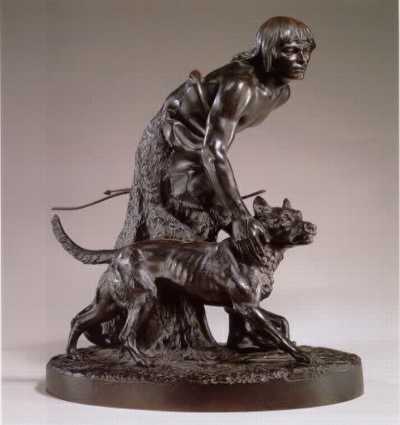
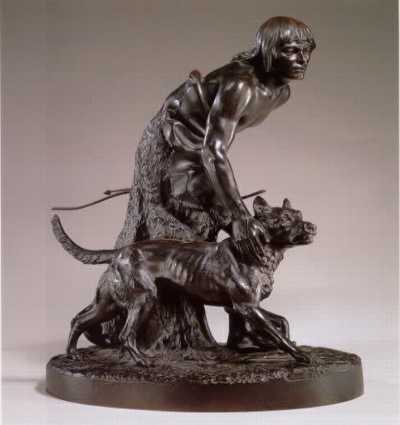
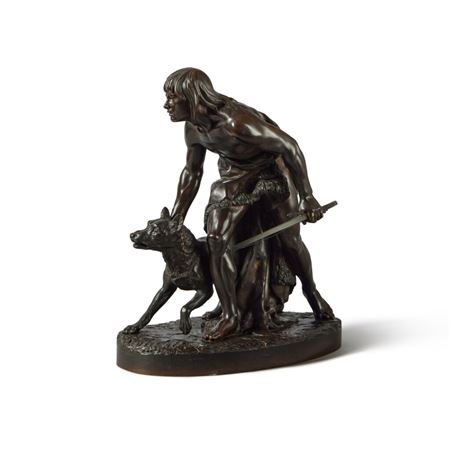
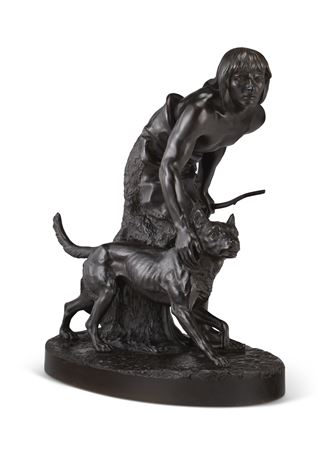
One of the most prominent American sculptors of the late 19th century, John Quincy Ward made his reputation as the leader of a group of post-Civil War naturalistic sculptors dedicated to American themes that rebelled against the prevalent neo-classical aesthetic of graceful, submissive-seeming figures. Ward created sculpture in a vigorous, masculine style that spoke of strength and dominance rather than grace and submission. Characteristic of his simple, direct style is The Indian Hunter, which his wife had replicated for his grave site in Urbana, Ohio. The piece had been one of his first major independent works and was unique because it was meant to be viewed in the round rather than frontally. The major influence on Ward's sculpture and... Read full biography
One of the most prominent American sculptors of the late 19th century, John Quincy Ward made his reputation as the leader of a group of post-Civil War naturalistic sculptors dedicated to American themes that rebelled against the prevalent neo-classical aesthetic of graceful, submissive-seeming figures. Ward created sculpture in a vigorous, masculine style that spoke of strength and dominance rather than grace and submission. Characteristic of his simple, direct style is The Indian Hunter, which his wife had replicated for his grave site in Urbana, Ohio. The piece had been one of his first major independent works and was unique because it was meant to be viewed in the round rather than frontally. The major influence on Ward's sculpture and his attitudes about creativity was Henry Kirke Brown, an exponent of naturalism of style and American... Read full biography
John Quincy Adams Ward - Art Prices in Auction LotsAuction Lots