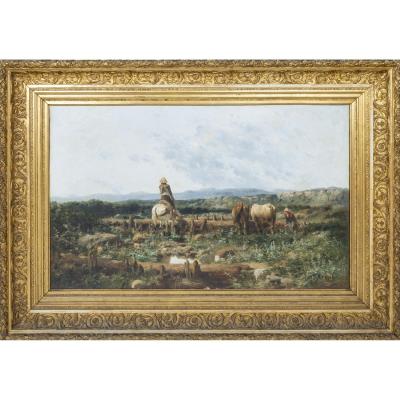
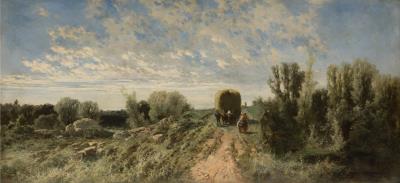
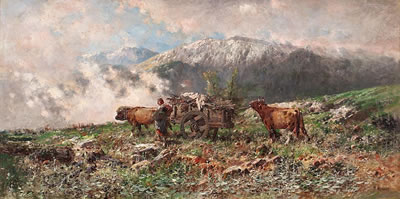
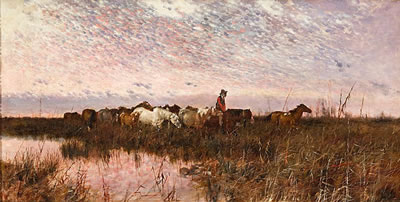
1843 Barcelona - 1911. Known for: Painting.
Josep Armet was a Spanish painter and lithographer. He received his training at the La Lonja School of Fine Arts in Barcelona and later moved to Rome to further his studies. He was friends with...
Read full biography Josep Armet was a Spanish painter and lithographer. He received his training at the La Lonja School of Fine Arts in Barcelona and later moved to Rome to further his studies. He was friends with Mariano Fortuny and exhibited his works at national and local exhibitions, winning awards and...
Read full biography Josep Armet was a Spanish painter and lithographer. He received his training at the La Lonja School of Fine Arts in Barcelona and later moved to Rome to further his studies. He was friends with Mariano Fortuny and exhibited his works at national and local exhibitions, winning awards and recognition. He was part of the Olot School and collaborated with his colleagues in the consolidation of the Centro Artístico Olotino. His landscapes were based on sketches from life and his style was part of...
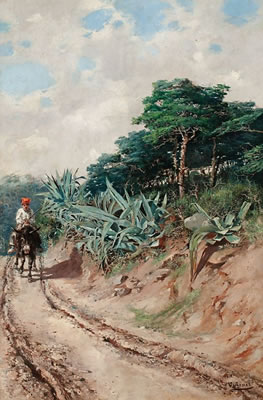
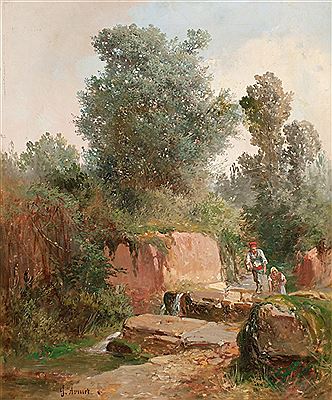
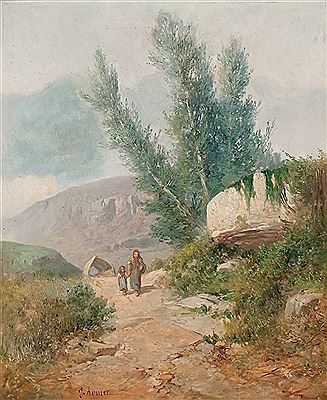
Read full biography Josep Armet was a Spanish painter and lithographer. He received his training at the La Lonja School of Fine Arts in Barcelona and later moved to Rome to further his studies. He was friends with Mariano Fortuny and exhibited his works at national and local exhibitions, winning awards and recognition. He was part of the Olot School and collaborated with his colleagues in the consolidation of the Centro Artístico Olotino. His landscapes were based on sketches from life and his style was part of Catalan realist landscape painting with Roman influences. In his later years, his style evolved towards contemporary street themes with greater looseness and gestural sense. He is represented in the Museo del Prado and the Museo Provincial de Girona,...
Read full biography Josep Armet was a Spanish painter and lithographer. He received his training at the La Lonja School of Fine Arts in Barcelona and later moved to Rome to further his studies. He was friends with Mariano Fortuny and exhibited his works at national and local exhibitions, winning awards and recognition. He was part of the Olot School and collaborated with his colleagues in the consolidation of the Centro Artístico Olotino. His landscapes were based on sketches from life and his style was part of Catalan realist landscape painting with Roman influences. In his later years, his style evolved towards contemporary street themes with greater looseness and gestural sense. He is represented in the Museo del Prado and the Museo Provincial de Girona, among other public and private collections.