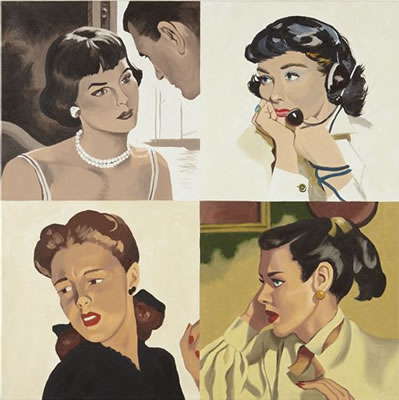
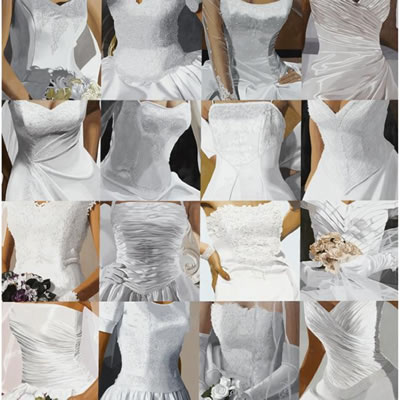
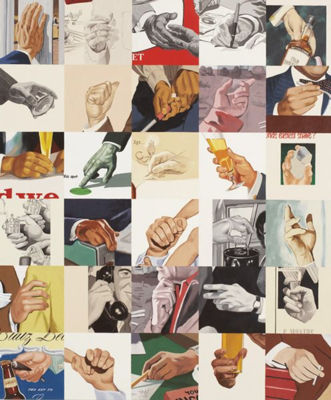
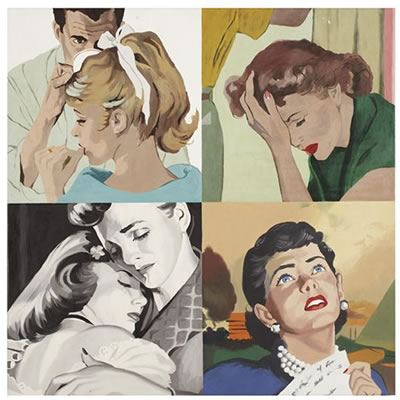
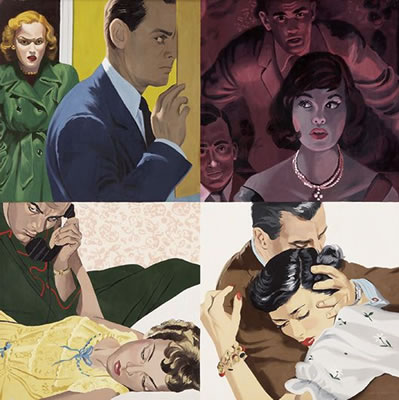
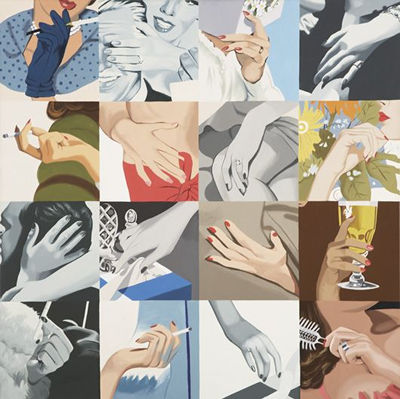
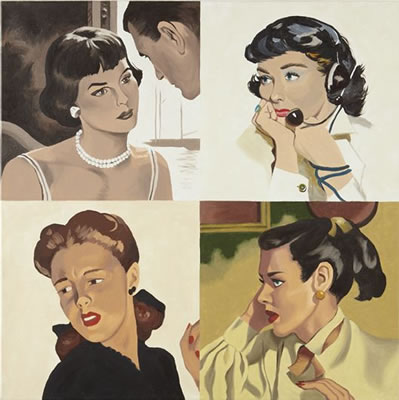
"The Secret Art Language of New York Playgrounds" by Daniel McDermon, March 15, 2017, The New York Times Art & Design section. Growing up on the Upper West Side in the 1970s, the artist Julia... Read full biography
"The Secret Art Language of New York Playgrounds" by Daniel McDermon, March 15, 2017, The New York Times Art & Design section. Growing up on the Upper West Side in the 1970s, the artist Julia Jacquette saw plenty of the urban decay for which that era is known. Vacant lots filled stretches of... Read full biography
"The Secret Art Language of New York Playgrounds" by Daniel McDermon, March 15, 2017, The New York Times Art & Design section. Growing up on the Upper West Side in the 1970s, the artist Julia Jacquette saw plenty of the urban decay for which that era is known. Vacant lots filled stretches of Columbus Avenue near her family’s apartment, she recalled. But that gritty atmosphere was less influential for her than what was being built a block to the east, in Central Park. The city, teetering on the... Read full biography
"The Secret Art Language of New York Playgrounds" by Daniel McDermon, March 15, 2017, The New York Times Art & Design section. Growing up on the Upper West Side in the 1970s, the artist Julia Jacquette saw plenty of the urban decay for which that era is known. Vacant lots filled stretches of Columbus Avenue near her family’s apartment, she recalled. But that gritty atmosphere was less influential for her than what was being built a block to the east, in Central Park. The city, teetering on the verge of bankruptcy, was somewhat improbably in the midst of a playground renaissance — one that informed Ms. Jacquette’s art in ways that she explores in a new autobiographical book, Playground of My Mind. The typical city playground of that time... Read full biography
"The Secret Art Language of New York Playgrounds" by Daniel McDermon, March 15, 2017, The New York Times Art & Design section. Growing up on the Upper West Side in the 1970s, the artist Julia Jacquette saw plenty of the urban decay for which that era is known. Vacant lots filled stretches of Columbus Avenue near her family’s apartment, she recalled. But that gritty atmosphere was less influential for her than what was being built a block to the east, in Central Park. The city, teetering on the verge of bankruptcy, was somewhat improbably in the midst of a playground renaissance — one that informed Ms. Jacquette’s art in ways that she explores in a new autobiographical book, Playground of My Mind. The typical city playground of that time was built as an afterthought, a corral for children, made of asphalt and chain-link fencing. The play equipment was... Read full biography
Julia Jacquette - Art Prices in Auction LotsAuction Lots