Julian Falat, (30 July 1853 in Tuliglowy near Lwów – 9 July 1929 in Bystra Slaska) was one of the most prolific Polish painters of watercolor and one of the country's foremost landscape painters as... Read full biography
Julian Falat, (30 July 1853 in Tuliglowy near Lwów – 9 July 1929 in Bystra Slaska) was one of the most prolific Polish painters of watercolor and one of the country's foremost landscape painters as well as one of the leading Polish impressionists. Falat first studied under Wladyslaw Luszczkiewicz... Read full biography
Julian Falat, (30 July 1853 in Tuliglowy near Lwów – 9 July 1929 in Bystra Slaska) was one of the most prolific Polish painters of watercolor and one of the country's foremost landscape painters as well as one of the leading Polish impressionists. Falat first studied under Wladyslaw Luszczkiewicz at the Kraków School of Fine Arts, and then at the Art Academy of Munich. After several trips throughout Europe and Asia in 1885, Falat compiled a collection of studies from his voyages which would... Read full biography
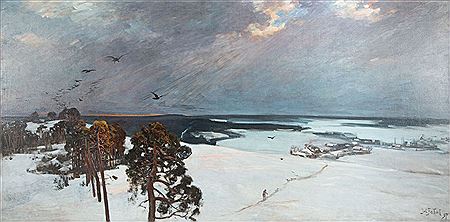
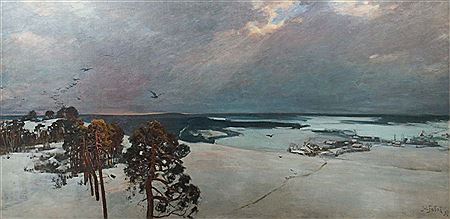
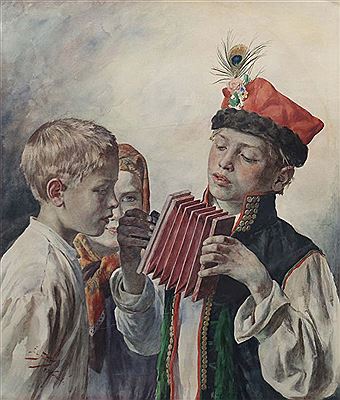
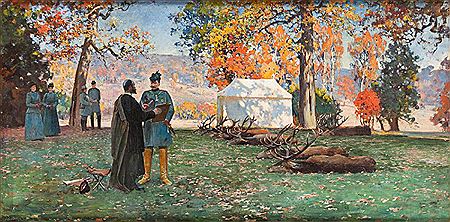
Julian Falat, (30 July 1853 in Tuliglowy near Lwów – 9 July 1929 in Bystra Slaska) was one of the most prolific Polish painters of watercolor and one of the country's foremost landscape painters as well as one of the leading Polish impressionists. Falat first studied under Wladyslaw Luszczkiewicz at the Kraków School of Fine Arts, and then at the Art Academy of Munich. After several trips throughout Europe and Asia in 1885, Falat compiled a collection of studies from his voyages which would become useful later in the development of his artwork. Themes typical of Falat's painting are Polish landscapes, hunting scenes, portraits, and studies from his voyages. In 1886, Falat accepted an invitation from future German Emperor Wilhelm II to... Read full biography
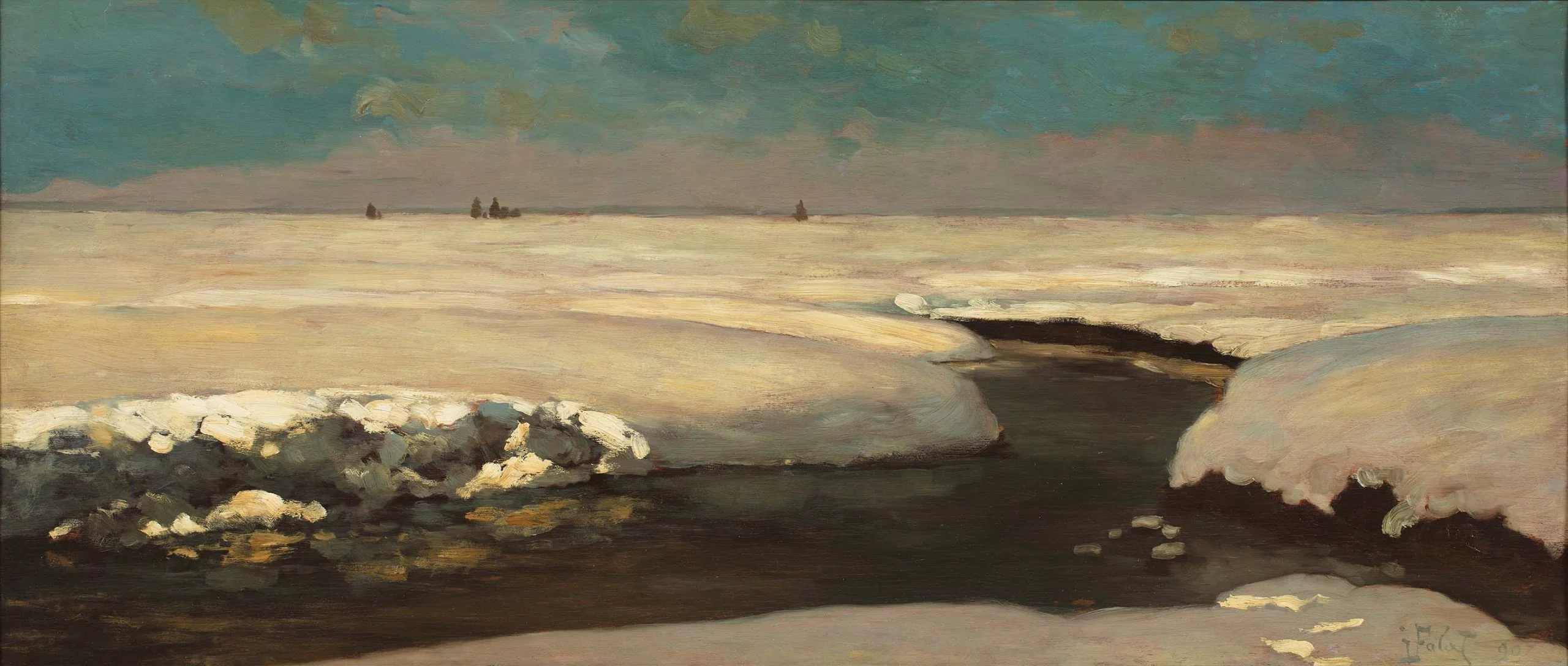
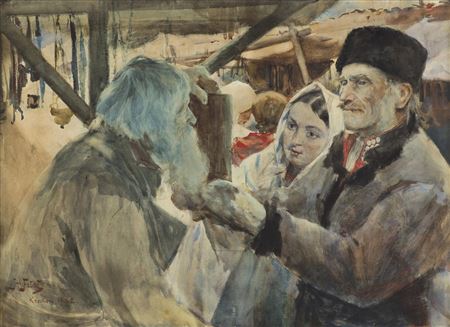
Julian Falat, (30 July 1853 in Tuliglowy near Lwów – 9 July 1929 in Bystra Slaska) was one of the most prolific Polish painters of watercolor and one of the country's foremost landscape painters as well as one of the leading Polish impressionists. Falat first studied under Wladyslaw Luszczkiewicz at the Kraków School of Fine Arts, and then at the Art Academy of Munich. After several trips throughout Europe and Asia in 1885, Falat compiled a collection of studies from his voyages which would become useful later in the development of his artwork. Themes typical of Falat's painting are Polish landscapes, hunting scenes, portraits, and studies from his voyages. In 1886, Falat accepted an invitation from future German Emperor Wilhelm II to serve as court painter in Berlin. Falat died in Bystra Slaska on July 9, 1929. A museum in Poland, called Falatówka, is devoted to him.... Read full biography
Julian Falat - Art Prices in Auction LotsAuction Lots