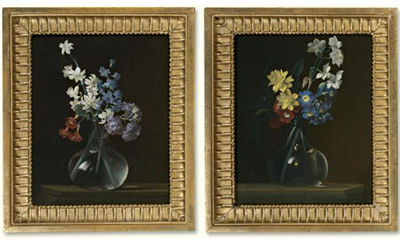
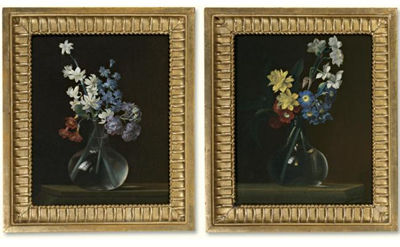
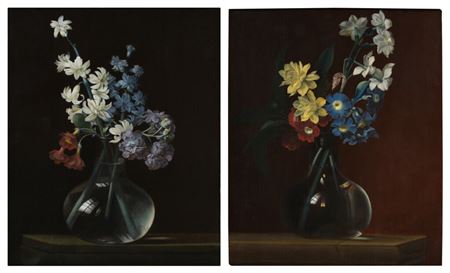
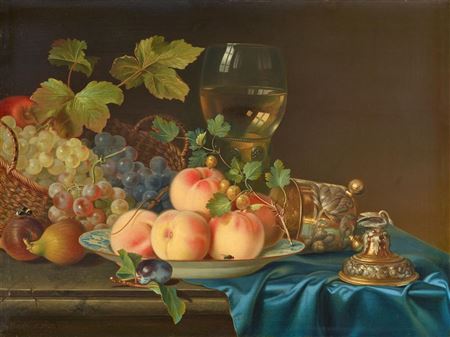
1703 Mainz - 1767 Frankfurt am Main. Known for: Still life, Dutch and Flemish style interiors.
Justus Juncker was apprenticed to the Frankfurt-based façade painter Johann Hugo Schlegel. At the same time, he taught himself at the Frankfurt picture gallery of Baron von Haeckel, who owned an...
Read full biography Justus Juncker was apprenticed to the Frankfurt-based façade painter Johann Hugo Schlegel. At the same time, he taught himself at the Frankfurt picture gallery of Baron von Haeckel, who owned an important collection of seventeenth-century Dutch and Flemish paintings. Initially, Juncker painted...
Read full biography Justus Juncker was apprenticed to the Frankfurt-based façade painter Johann Hugo Schlegel. At the same time, he taught himself at the Frankfurt picture gallery of Baron von Haeckel, who owned an important collection of seventeenth-century Dutch and Flemish paintings. Initially, Juncker painted portraits and genre scenes as a follower of David Teniers II. Around 1745, he took to painting primarily still lifes, inspired by his much-admired model Jan Davidsz. de Heem. His real talent, however, lay...
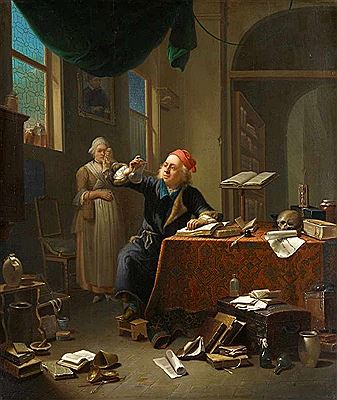
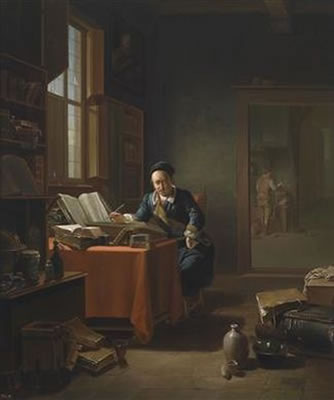
Read full biography Justus Juncker was apprenticed to the Frankfurt-based façade painter Johann Hugo Schlegel. At the same time, he taught himself at the Frankfurt picture gallery of Baron von Haeckel, who owned an important collection of seventeenth-century Dutch and Flemish paintings. Initially, Juncker painted portraits and genre scenes as a follower of David Teniers II. Around 1745, he took to painting primarily still lifes, inspired by his much-admired model Jan Davidsz. de Heem. His real talent, however, lay in the depiction of patrician interiors in a Dutch or Flemish style.
Justus Juncker was apprenticed to the Frankfurt-based façade painter Johann Hugo Schlegel. At the same time, he taught himself at the Frankfurt picture gallery of Baron von Haeckel, who owned an important collection of seventeenth-century Dutch and Flemish paintings. Initially, Juncker painted portraits and genre scenes as a follower of David Teniers II. Around 1745, he took to painting primarily still lifes, inspired by his much-admired model Jan Davidsz. de Heem. His real talent, however, lay in the depiction of patrician interiors in a Dutch or Flemish style.