Born 1970. Known for: Sculpture.
Born in 1970, Katja Strunz lives and works in Berlin, Germany. Her work is concerned with the passage of time and the viewer's perception of it. Cuboid installations and sculptures recall Malevich's...
Read full biography Born in 1970, Katja Strunz lives and works in Berlin, Germany. Her work is concerned with the passage of time and the viewer's perception of it. Cuboid installations and sculptures recall Malevich's supremacist compostions in 3-D form. They incorporate both new and old elements, some found objects...
Read full biography Born in 1970, Katja Strunz lives and works in Berlin, Germany. Her work is concerned with the passage of time and the viewer's perception of it. Cuboid installations and sculptures recall Malevich's supremacist compostions in 3-D form. They incorporate both new and old elements, some found objects often tarnished and in a process of deterioration, divorced from their original purpose. The transformation of the materials over the course of time is key to her work, the rusting and oxidization of...
Read full biography Born in 1970, Katja Strunz lives and works in Berlin, Germany. Her work is concerned with the passage of time and the viewer's perception of it. Cuboid installations and sculptures recall Malevich's supremacist compostions in 3-D form. They incorporate both new and old elements, some found objects often tarnished and in a process of deterioration, divorced from their original purpose. The transformation of the materials over the course of time is key to her work, the rusting and oxidization of the surface serving to imbue them with a historical narrative. In placing these objects within the artistic sphere, the elements simultaneously take on a new life, whilst through their decay, acknowledging their eventual demise.
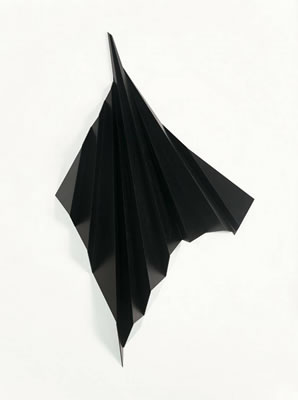
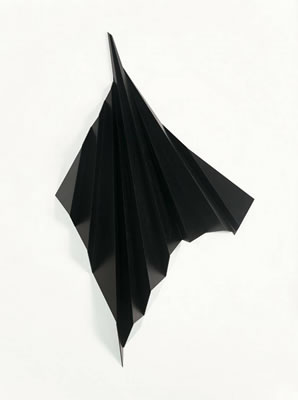
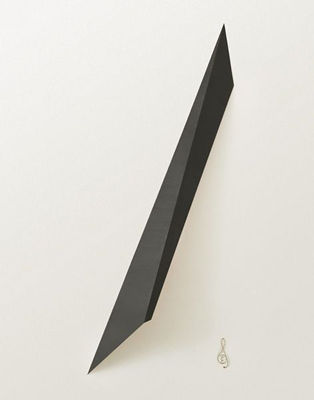
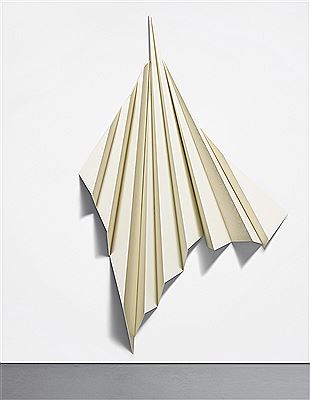
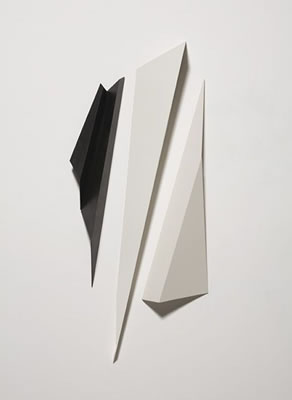
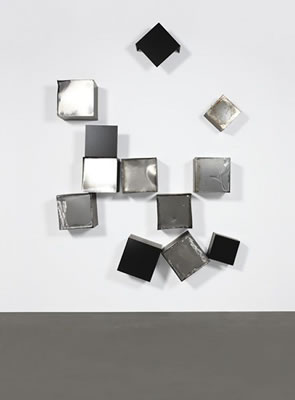
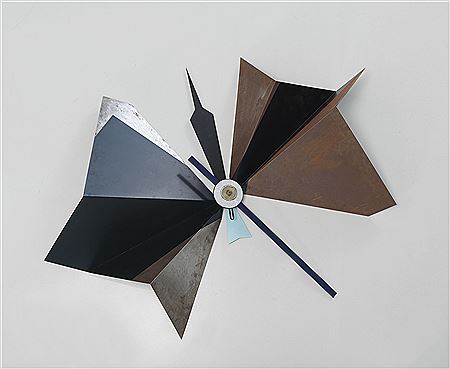
Born in 1970, Katja Strunz lives and works in Berlin, Germany. Her work is concerned with the passage of time and the viewer's perception of it. Cuboid installations and sculptures recall Malevich's supremacist compostions in 3-D form. They incorporate both new and old elements, some found objects often tarnished and in a process of deterioration, divorced from their original purpose. The transformation of the materials over the course of time is key to her work, the rusting and oxidization of the surface serving to imbue them with a historical narrative. In placing these objects within the artistic sphere, the elements simultaneously take on a new life, whilst through their decay, acknowledging their eventual demise.