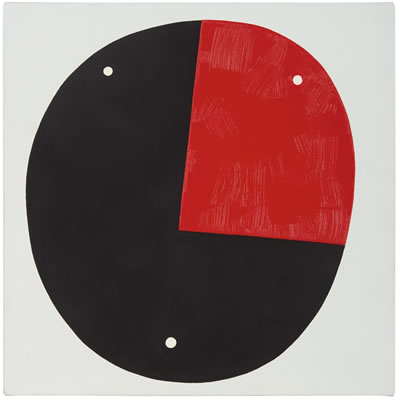
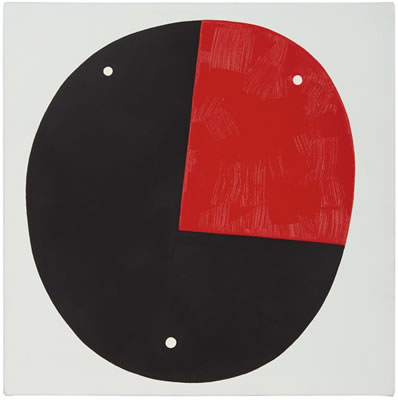
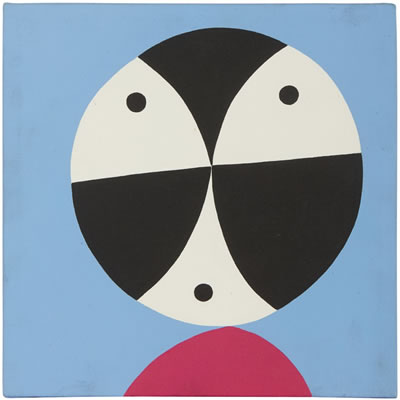
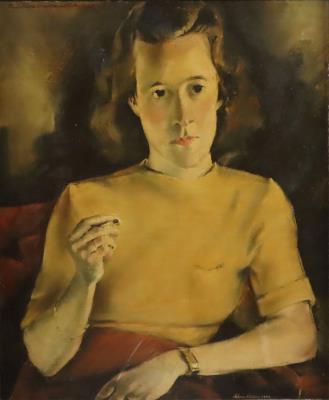
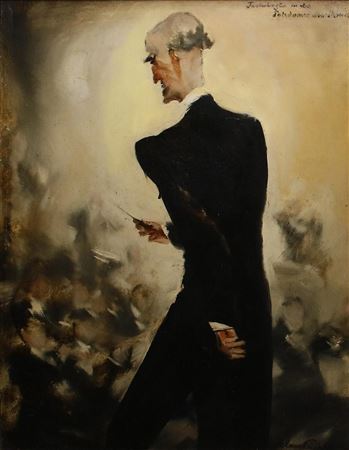
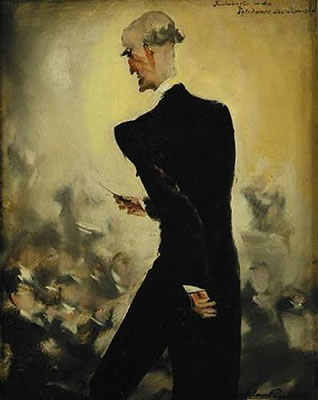
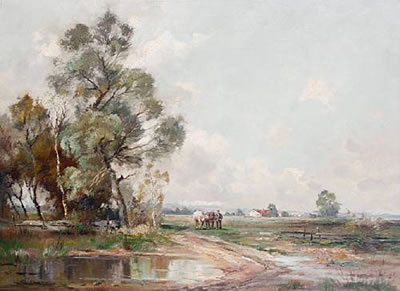
1887 - 1948. Known for: Landscape, still life paintings.
Klaus Richter was born in 1887. Richter studied philosophy and languages in Milan and Munich, before turning to painting. He trained in anatomical drawing with his uncle Robert Richter in Paris....
Read full biography Klaus Richter was born in 1887. Richter studied philosophy and languages in Milan and Munich, before turning to painting. He trained in anatomical drawing with his uncle Robert Richter in Paris. Subsequently, he became a pupil of Lovis Corinth in Berlin. In 1911, he shared a studio with Magnus...
Read full biography Klaus Richter was born in 1887. Richter studied philosophy and languages in Milan and Munich, before turning to painting. He trained in anatomical drawing with his uncle Robert Richter in Paris. Subsequently, he became a pupil of Lovis Corinth in Berlin. In 1911, he shared a studio with Magnus Zeller, and exhibited at the Berlin Secession. He also worked as a writer, actor and set designer. In 1919, he took a teaching position at the School of Applied Arts in Berlin-Charlottenburg. Starting...
Read full biography Klaus Richter was born in 1887. Richter studied philosophy and languages in Milan and Munich, before turning to painting. He trained in anatomical drawing with his uncle Robert Richter in Paris. Subsequently, he became a pupil of Lovis Corinth in Berlin. In 1911, he shared a studio with Magnus Zeller, and exhibited at the Berlin Secession. He also worked as a writer, actor and set designer. In 1919, he took a teaching position at the School of Applied Arts in Berlin-Charlottenburg. Starting from 1922, he was a professor at the Art Academy Königsberg, and from 1927, at the Berlin Academy of Fine Arts. Up until his suspension during hte Third Reich, Klaus Richter was a Chairman of the Verein Berliner Künstler. Rudi Lesser was one of his...
Read full biography Klaus Richter was born in 1887. Richter studied philosophy and languages in Milan and Munich, before turning to painting. He trained in anatomical drawing with his uncle Robert Richter in Paris. Subsequently, he became a pupil of Lovis Corinth in Berlin. In 1911, he shared a studio with Magnus Zeller, and exhibited at the Berlin Secession. He also worked as a writer, actor and set designer. In 1919, he took a teaching position at the School of Applied Arts in Berlin-Charlottenburg. Starting from 1922, he was a professor at the Art Academy Königsberg, and from 1927, at the Berlin Academy of Fine Arts. Up until his suspension during hte Third Reich, Klaus Richter was a Chairman of the Verein Berliner Künstler. Rudi Lesser was one of his students. Klaus Richter passed away in 1948.