1896 - 1965. Known for: Painting.
Kurt Weinhold was born in 1896, in Berlin. He was the son of the painter Carl Weinhold, who trained him in painting. In 1911, the family moved to Munich. In 1922, Weinhold moved to Baden-Württemberg....
Read full biography Kurt Weinhold was born in 1896, in Berlin. He was the son of the painter Carl Weinhold, who trained him in painting. In 1911, the family moved to Munich. In 1922, Weinhold moved to Baden-Württemberg. In 1934, he was awarded the Rome Prize of the Prussian Academy of Arts. He stayed in Rome and...
Read full biography Kurt Weinhold was born in 1896, in Berlin. He was the son of the painter Carl Weinhold, who trained him in painting. In 1911, the family moved to Munich. In 1922, Weinhold moved to Baden-Württemberg. In 1934, he was awarded the Rome Prize of the Prussian Academy of Arts. He stayed in Rome and Florence for a year. In 1937, the artist exhibited at the Große Deutsche Kunstausstellung. Weinhold’s early works were influenced by realism, however, his later works feature a tendency towards figurative...
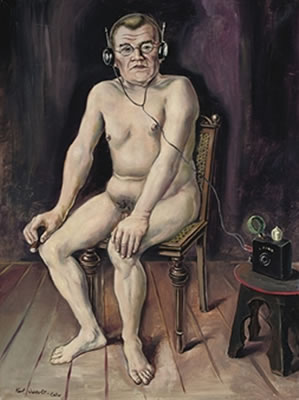
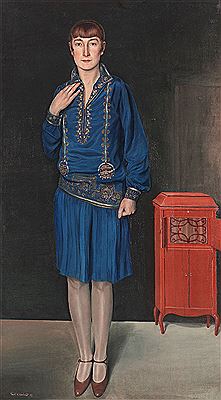
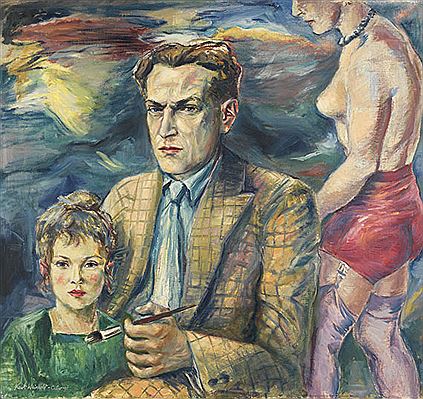
Read full biography Kurt Weinhold was born in 1896, in Berlin. He was the son of the painter Carl Weinhold, who trained him in painting. In 1911, the family moved to Munich. In 1922, Weinhold moved to Baden-Württemberg. In 1934, he was awarded the Rome Prize of the Prussian Academy of Arts. He stayed in Rome and Florence for a year. In 1937, the artist exhibited at the Große Deutsche Kunstausstellung. Weinhold’s early works were influenced by realism, however, his later works feature a tendency towards figurative abstraction and surrealism.
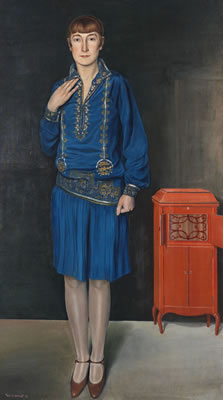
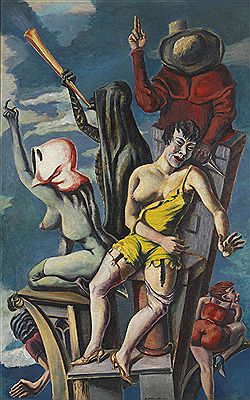
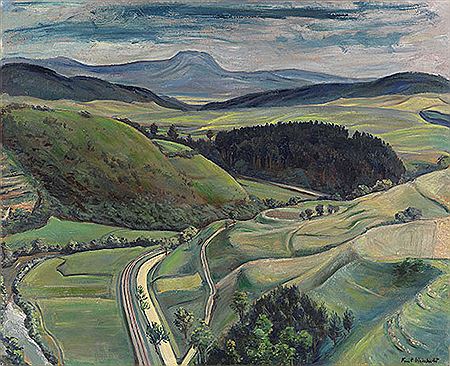
Kurt Weinhold was born in 1896, in Berlin. He was the son of the painter Carl Weinhold, who trained him in painting. In 1911, the family moved to Munich. In 1922, Weinhold moved to Baden-Württemberg. In 1934, he was awarded the Rome Prize of the Prussian Academy of Arts. He stayed in Rome and Florence for a year. In 1937, the artist exhibited at the Große Deutsche Kunstausstellung. Weinhold’s early works were influenced by realism, however, his later works feature a tendency towards figurative abstraction and surrealism.