1902 Nagykoros, Hungary - 1961 St. Tropez. Known for: Impressionist painting, still life, landscape.
. László Barta was a Hungarian-born painter whose artistic journey took him from Budapest, where he studied under János Vaszary, to the vibrant avant-garde circles of Montmartre and Montparnasse in...
Read full biography . László Barta was a Hungarian-born painter whose artistic journey took him from Budapest, where he studied under János Vaszary, to the vibrant avant-garde circles of Montmartre and Montparnasse in 1920s Paris. There he rubbed shoulders with Fauvist masters Matisse, Dufy, and Cubist innovators such...
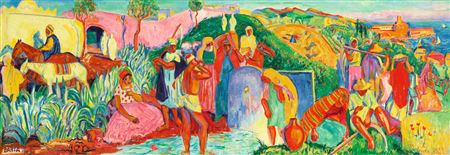
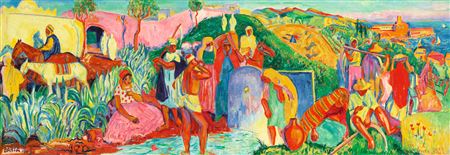
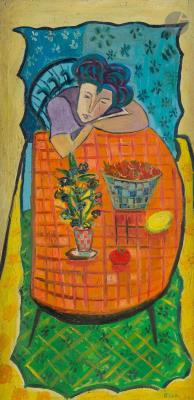
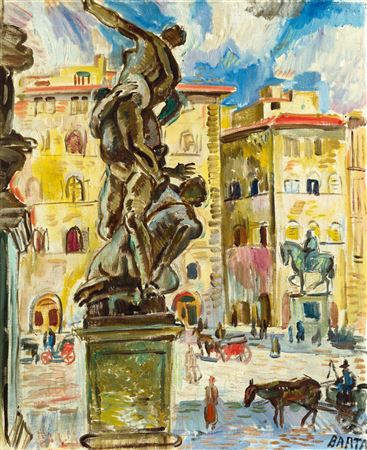
Read full biography . László Barta was a Hungarian-born painter whose artistic journey took him from Budapest, where he studied under János Vaszary, to the vibrant avant-garde circles of Montmartre and Montparnasse in 1920s Paris. There he rubbed shoulders with Fauvist masters Matisse, Dufy, and Cubist innovators such as Metzinger. His style evolved from Fauvist expressionism through Cubism and ultimately toward abstraction, reflecting his extensive travels across North Africa, Italy, Corsica, and the French...
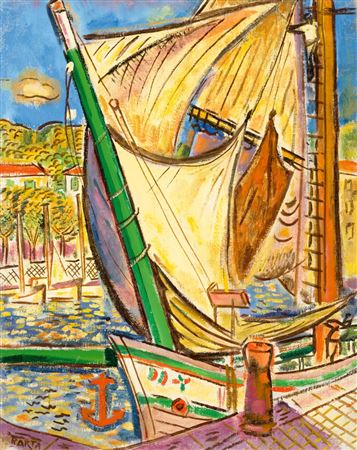
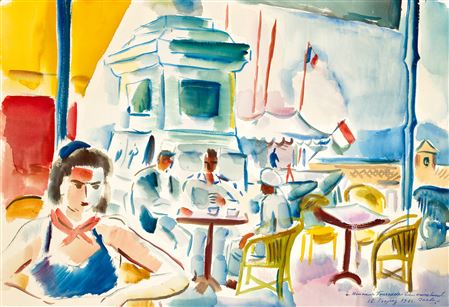
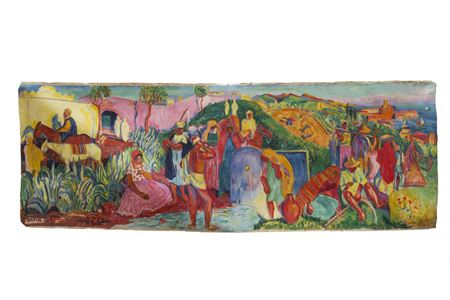
Read full biography . László Barta was a Hungarian-born painter whose artistic journey took him from Budapest, where he studied under János Vaszary, to the vibrant avant-garde circles of Montmartre and Montparnasse in 1920s Paris. There he rubbed shoulders with Fauvist masters Matisse, Dufy, and Cubist innovators such as Metzinger. His style evolved from Fauvist expressionism through Cubism and ultimately toward abstraction, reflecting his extensive travels across North Africa, Italy, Corsica, and the French Riviera. Based in Saint-Tropez, Barta’s home served as an informal salon for artists of the period.
. László Barta was a Hungarian-born painter whose artistic journey took him from Budapest, where he studied under János Vaszary, to the vibrant avant-garde circles of Montmartre and Montparnasse in 1920s Paris. There he rubbed shoulders with Fauvist masters Matisse, Dufy, and Cubist innovators such as Metzinger. His style evolved from Fauvist expressionism through Cubism and ultimately toward abstraction, reflecting his extensive travels across North Africa, Italy, Corsica, and the French Riviera. Based in Saint-Tropez, Barta’s home served as an informal salon for artists of the period.