Leo Grewenig was a German artist who studied at the Akademie Kassel and later at the Bauhaus in Weimar, where he worked with Moholy-Nagy, Josef Albers, Wassily Kandinsky, and Paul Klee. He continued... Read full biography
Leo Grewenig was a German artist who studied at the Akademie Kassel and later at the Bauhaus in Weimar, where he worked with Moholy-Nagy, Josef Albers, Wassily Kandinsky, and Paul Klee. He continued his studies at the art school in Berlin-Schöneberg, developing a practice grounded in modernist... Read full biography
Leo Grewenig was a German artist who studied at the Akademie Kassel and later at the Bauhaus in Weimar, where he worked with Moholy-Nagy, Josef Albers, Wassily Kandinsky, and Paul Klee. He continued his studies at the art school in Berlin-Schöneberg, developing a practice grounded in modernist structure, clarity, and experimentation. Grewenig exhibited with the Berlin Secession before facing an exhibition ban under the National Socialist regime. After the war, Leo Grewenig became a member of... Read full biography
Leo Grewenig was a German artist who studied at the Akademie Kassel and later at the Bauhaus in Weimar, where he worked with Moholy-Nagy, Josef Albers, Wassily Kandinsky, and Paul Klee. He continued his studies at the art school in Berlin-Schöneberg, developing a practice grounded in modernist structure, clarity, and experimentation. Grewenig exhibited with the Berlin Secession before facing an exhibition ban under the National Socialist regime. After the war, Leo Grewenig became a member of the New Group Saar, contributing to the cultural rebuilding of the region and participating in its artistic networks. His work entered significant public collections, including the Museum Folkwang in Essen, the Hessisches Landesmuseum in Darmstadt, and... Read full biography
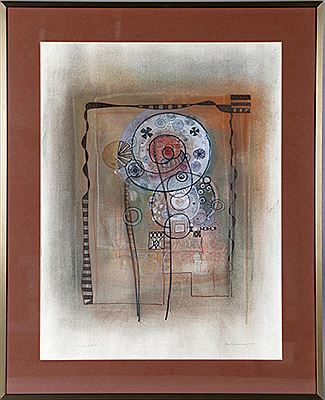
Leo Grewenig was a German artist who studied at the Akademie Kassel and later at the Bauhaus in Weimar, where he worked with Moholy-Nagy, Josef Albers, Wassily Kandinsky, and Paul Klee. He continued his studies at the art school in Berlin-Schöneberg, developing a practice grounded in modernist structure, clarity, and experimentation. Grewenig exhibited with the Berlin Secession before facing an exhibition ban under the National Socialist regime. After the war, Leo Grewenig became a member of the New Group Saar, contributing to the cultural rebuilding of the region and participating in its artistic networks. His work entered significant public collections, including the Museum Folkwang in Essen, the Hessisches Landesmuseum in Darmstadt, and the Collection of the Federal Republic of Germany. Throughout his career, Grewenig maintained a commitment to modernist... Read full biography
Leo Grewenig - Art Prices in Auction LotsAuction Lots