Born 1927 Veneto, Italy. Known for: Abstract and religious motif painting.
Lino Dinetto was born in 1927 in Veneto, Italy. At first impressed by Impressionism and the plein-air painting, he later devoted himself to the art of the Renaissance and, after his classical art...
Read full biography Lino Dinetto was born in 1927 in Veneto, Italy. At first impressed by Impressionism and the plein-air painting, he later devoted himself to the art of the Renaissance and, after his classical art education, he painted a lot of religious motives. His encounter with the Futurists led to a rethinking,...
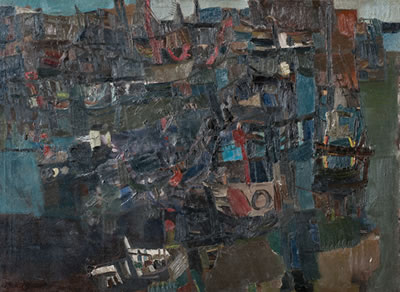
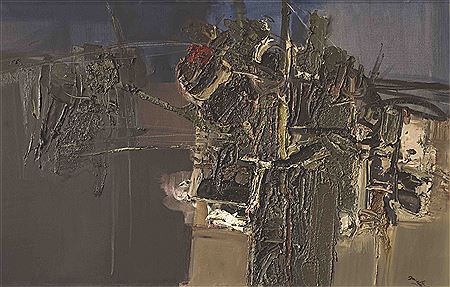
Read full biography Lino Dinetto was born in 1927 in Veneto, Italy. At first impressed by Impressionism and the plein-air painting, he later devoted himself to the art of the Renaissance and, after his classical art education, he painted a lot of religious motives. His encounter with the Futurists led to a rethinking, therefore he continued to work intensively with the expressionist movements such as Cubism and later lnformalism. His work became increasingly abstract. However, a recurring subject remains the...
Read full biography Lino Dinetto was born in 1927 in Veneto, Italy. At first impressed by Impressionism and the plein-air painting, he later devoted himself to the art of the Renaissance and, after his classical art education, he painted a lot of religious motives. His encounter with the Futurists led to a rethinking, therefore he continued to work intensively with the expressionist movements such as Cubism and later lnformalism. His work became increasingly abstract. However, a recurring subject remains the woman. (cru)
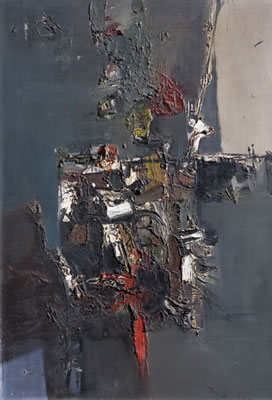
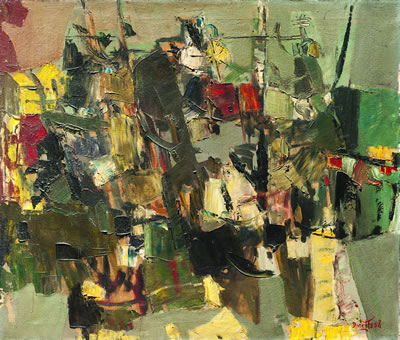
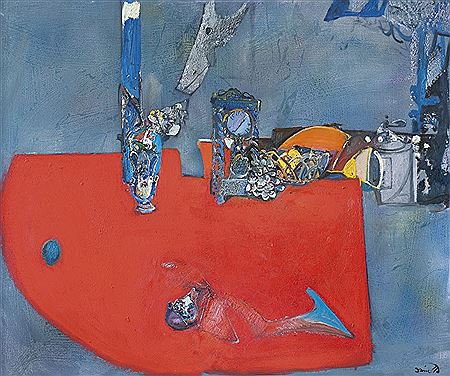
Lino Dinetto was born in 1927 in Veneto, Italy. At first impressed by Impressionism and the plein-air painting, he later devoted himself to the art of the Renaissance and, after his classical art education, he painted a lot of religious motives. His encounter with the Futurists led to a rethinking, therefore he continued to work intensively with the expressionist movements such as Cubism and later lnformalism. His work became increasingly abstract. However, a recurring subject remains the woman. (cru)