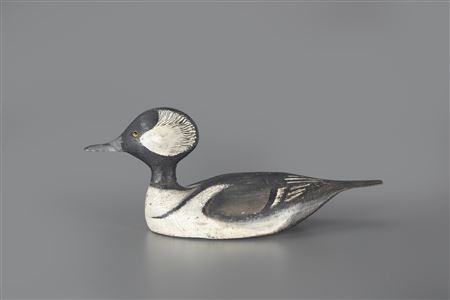
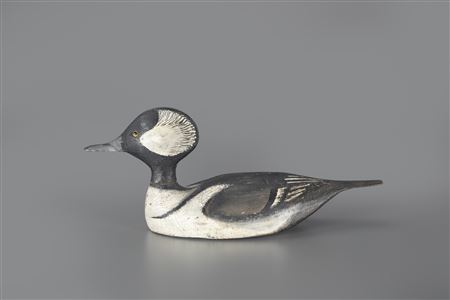
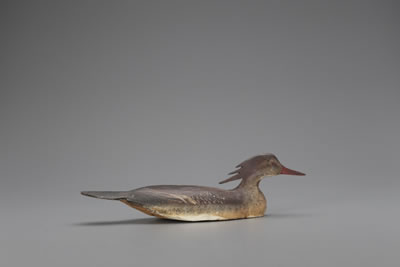
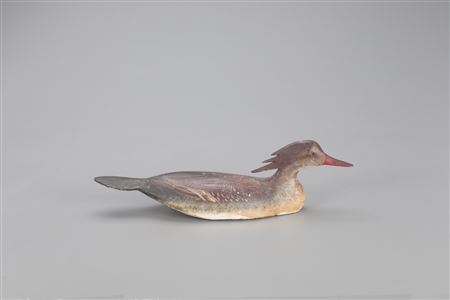
1898 - 1971. Known for: Decoy carving.
Lloyd Tyler (1898-1971) from Crisfield, Maryland, carved his first decoy when he was twelve years old, using a spokeshave, a pocket knife, and a hatchet. Even as an adult, with a formal art...
Read full biography Lloyd Tyler (1898-1971) from Crisfield, Maryland, carved his first decoy when he was twelve years old, using a spokeshave, a pocket knife, and a hatchet. Even as an adult, with a formal art education, at Toronto Art School, and other tools at his disposal, Tyler continued using simple, traditional...
Read full biography Lloyd Tyler (1898-1971) from Crisfield, Maryland, carved his first decoy when he was twelve years old, using a spokeshave, a pocket knife, and a hatchet. Even as an adult, with a formal art education, at Toronto Art School, and other tools at his disposal, Tyler continued using simple, traditional tools to produce aesthetically pleasing, functional decoys by the hundreds, to fulfill a great demand by local hunters, gunning clubs and tourists. He never painted the bottoms of the decoys, as he...
Read full biography Lloyd Tyler (1898-1971) from Crisfield, Maryland, carved his first decoy when he was twelve years old, using a spokeshave, a pocket knife, and a hatchet. Even as an adult, with a formal art education, at Toronto Art School, and other tools at his disposal, Tyler continued using simple, traditional tools to produce aesthetically pleasing, functional decoys by the hundreds, to fulfill a great demand by local hunters, gunning clubs and tourists. He never painted the bottoms of the decoys, as he said that was a waste of paint. He retired from carving in 1953. Submitted by Dick Duff, whose source was a biography from the Ward Museum, Salisbury University, Salisbury, Maryland
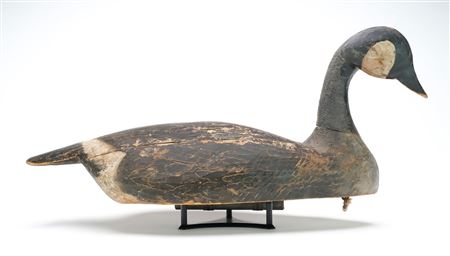
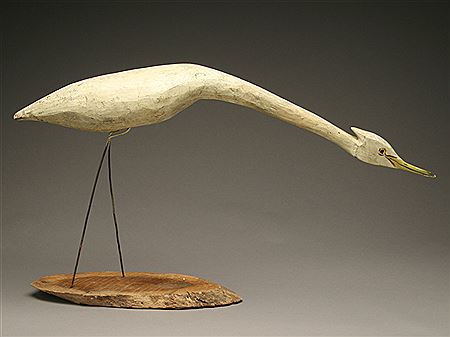
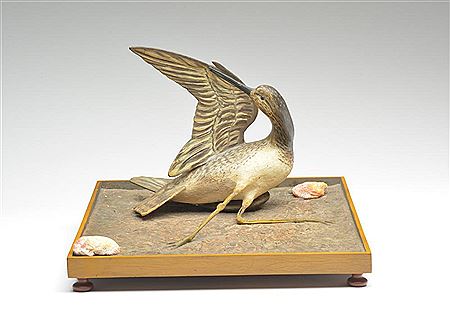
Lloyd Tyler (1898-1971) from Crisfield, Maryland, carved his first decoy when he was twelve years old, using a spokeshave, a pocket knife, and a hatchet. Even as an adult, with a formal art education, at Toronto Art School, and other tools at his disposal, Tyler continued using simple, traditional tools to produce aesthetically pleasing, functional decoys by the hundreds, to fulfill a great demand by local hunters, gunning clubs and tourists. He never painted the bottoms of the decoys, as he said that was a waste of paint. He retired from carving in 1953. Submitted by Dick Duff, whose source was a biography from the Ward Museum, Salisbury University, Salisbury, Maryland