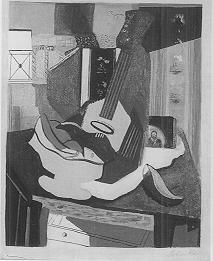
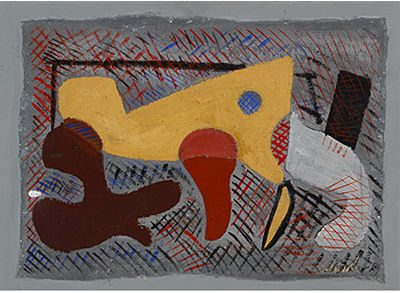
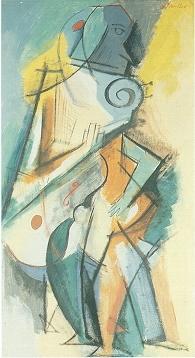
Known as one of The Whitney Ten, Louis Schanker became one of the protesters against the Whitney Museum for the museum's unwillingness to exhibit abstract art. From 1940 to 1960, he taught at the New... Read full biography
Known as one of The Whitney Ten, Louis Schanker became one of the protesters against the Whitney Museum for the museum's unwillingness to exhibit abstract art. From 1940 to 1960, he taught at the New School of Social Research in New York and from 1964 at Bard College. As an artist, his emphasis was... Read full biography
Known as one of The Whitney Ten, Louis Schanker became one of the protesters against the Whitney Museum for the museum's unwillingness to exhibit abstract art. From 1940 to 1960, he taught at the New School of Social Research in New York and from 1964 at Bard College. As an artist, his emphasis was on experimentation and breaking away from Regionalism and Precisionism to focus on abstraction and emotional expression. However, he maintained that some element of realism lay at the core of his... Read full biography
Known as one of The Whitney Ten, Louis Schanker became one of the protesters against the Whitney Museum for the museum's unwillingness to exhibit abstract art. From 1940 to 1960, he taught at the New School of Social Research in New York and from 1964 at Bard College. As an artist, his emphasis was on experimentation and breaking away from Regionalism and Precisionism to focus on abstraction and emotional expression. However, he maintained that some element of realism lay at the core of his work. In the 1930s, he was a WPA artist and worked on murals in New York City. Partial Source: . Peter Hasting Falk, Editor, Who Was Who in American Art... Read full biography
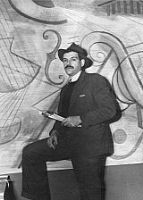
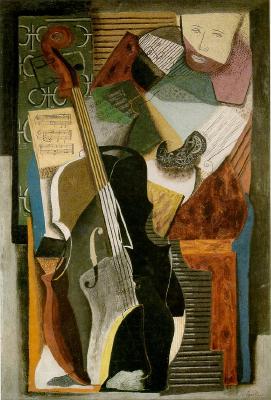
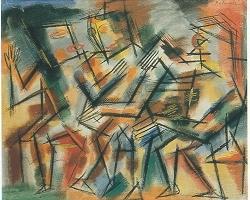
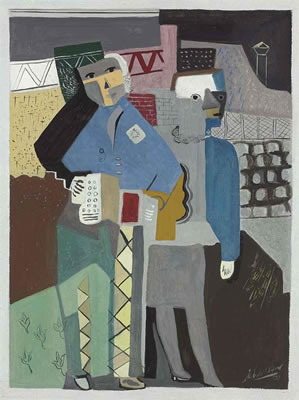
Known as one of The Whitney Ten, Louis Schanker became one of the protesters against the Whitney Museum for the museum's unwillingness to exhibit abstract art. From 1940 to 1960, he taught at the New School of Social Research in New York and from 1964 at Bard College. As an artist, his emphasis was on experimentation and breaking away from Regionalism and Precisionism to focus on abstraction and emotional expression. However, he maintained that some element of realism lay at the core of his work. In the 1930s, he was a WPA artist and worked on murals in New York City. Partial Source: . Peter Hasting Falk, Editor, Who Was Who in American Art... Read full biography
Louis Schanker - Art Prices in Auction LotsAuction Lots