Ludwig von Hofmann was one of the decisive initiators of the avant-garde around 1900. Initially active in Berlin and Italy, he followed a call to the grand ducal art school in Weimar in 1903, where... Read full biography
Ludwig von Hofmann was one of the decisive initiators of the avant-garde around 1900. Initially active in Berlin and Italy, he followed a call to the grand ducal art school in Weimar in 1903, where he worked among the progressive circle of intellectuals and artists Harry Graf Kessler moved who... Read full biography
Ludwig von Hofmann was one of the decisive initiators of the avant-garde around 1900. Initially active in Berlin and Italy, he followed a call to the grand ducal art school in Weimar in 1903, where he worked among the progressive circle of intellectuals and artists Harry Graf Kessler moved who tried to establish the city as the intellectual and cultural center of the empire with the concept of a “New Weimar”. From 1916 Hofmann continued his teaching activities in Dresden and this is where our... Read full biography
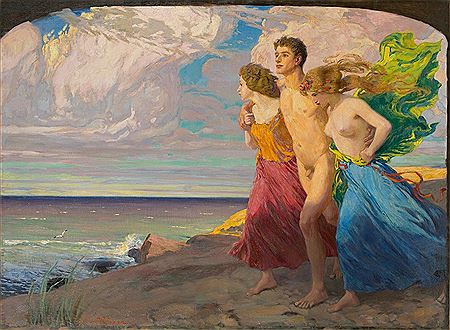
Ludwig von Hofmann was one of the decisive initiators of the avant-garde around 1900. Initially active in Berlin and Italy, he followed a call to the grand ducal art school in Weimar in 1903, where he worked among the progressive circle of intellectuals and artists Harry Graf Kessler moved who tried to establish the city as the intellectual and cultural center of the empire with the concept of a “New Weimar”. From 1916 Hofmann continued his teaching activities in Dresden and this is where our painting was probably created. It illustrates that even in his mature creative period, the artist still devoted himself to Arcadian subjects with harmonious human communities in a paradisiacal setting - a theme that he encountered in his youth in... Read full biography
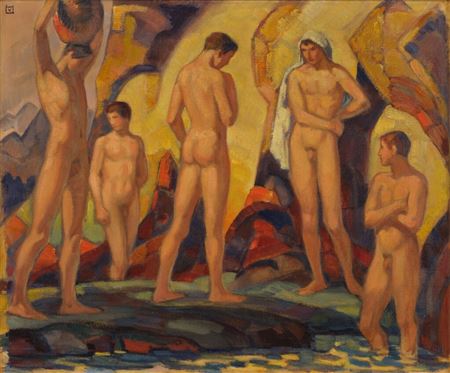
Ludwig von Hofmann was one of the decisive initiators of the avant-garde around 1900. Initially active in Berlin and Italy, he followed a call to the grand ducal art school in Weimar in 1903, where he worked among the progressive circle of intellectuals and artists Harry Graf Kessler moved who tried to establish the city as the intellectual and cultural center of the empire with the concept of a “New Weimar”. From 1916 Hofmann continued his teaching activities in Dresden and this is where our painting was probably created. It illustrates that even in his mature creative period, the artist still devoted himself to Arcadian subjects with harmonious human communities in a paradisiacal setting - a theme that he encountered in his youth in Paris in 1889/90 through the work of Puvis de Chavannes ‘. It runs through the entire plant in ever new forms. The harshness of the war years and t... Read full biography
Ludwig von Hofmann - Art Prices in Auction LotsAuction Lots