The painter, sculptor, and photographer Markus Raetz grew up in Büren an der Aare in an art-friendly home. He initially worked as a primary school teacher in Brügg near Biel, and from 1963 onwards as... Read full biography
The painter, sculptor, and photographer Markus Raetz grew up in Büren an der Aare in an art-friendly home. He initially worked as a primary school teacher in Brügg near Biel, and from 1963 onwards as a freelance artist. From 1963 to 1969, he lived in Bern, where he maintained contact with Harald... Read full biography
The painter, sculptor, and photographer Markus Raetz grew up in Büren an der Aare in an art-friendly home. He initially worked as a primary school teacher in Brügg near Biel, and from 1963 onwards as a freelance artist. From 1963 to 1969, he lived in Bern, where he maintained contact with Harald Szeemann, the director of the Kunsthalle Bern, and his assistant Jean-Christophe Ammann. From 1969 to 1973, he lived in Amsterdam, from 1973 to 1976 in Carona, and from 1977 back in Bern. Raetz was one... Read full biography
The painter, sculptor, and photographer Markus Raetz grew up in Büren an der Aare in an art-friendly home. He initially worked as a primary school teacher in Brügg near Biel, and from 1963 onwards as a freelance artist. From 1963 to 1969, he lived in Bern, where he maintained contact with Harald Szeemann, the director of the Kunsthalle Bern, and his assistant Jean-Christophe Ammann. From 1969 to 1973, he lived in Amsterdam, from 1973 to 1976 in Carona, and from 1977 back in Bern. Raetz was one of Switzerland's most renowned contemporary artists. Early in his career, he participated in Documenta 4 in 1968 and Documenta 5 in 1972, and in Harald Szeemann's legendary exhibition "When Attitudes Become Form" at the Kunsthalle Bern in 1969. In... Read full biography
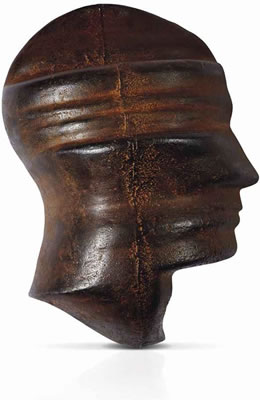
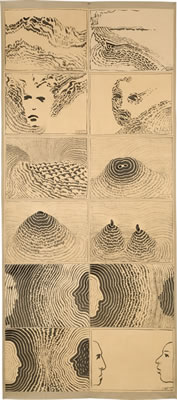
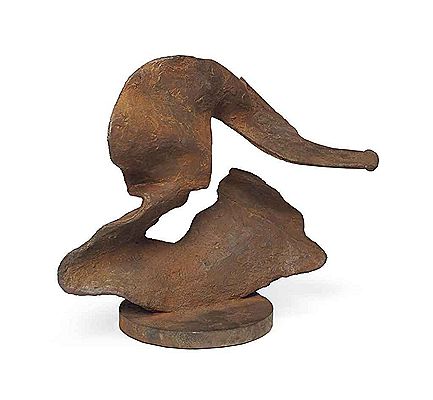
The painter, sculptor, and photographer Markus Raetz grew up in Büren an der Aare in an art-friendly home. He initially worked as a primary school teacher in Brügg near Biel, and from 1963 onwards as a freelance artist. From 1963 to 1969, he lived in Bern, where he maintained contact with Harald Szeemann, the director of the Kunsthalle Bern, and his assistant Jean-Christophe Ammann. From 1969 to 1973, he lived in Amsterdam, from 1973 to 1976 in Carona, and from 1977 back in Bern. Raetz was one of Switzerland's most renowned contemporary artists. Early in his career, he participated in Documenta 4 in 1968 and Documenta 5 in 1972, and in Harald Szeemann's legendary exhibition "When Attitudes Become Form" at the Kunsthalle Bern in 1969. In his works, which he executed in a wide variety of materials and media, Raetz explored the phenomena of perception. The focus was not on the cont... Read full biography
Markus Raetz - Art Prices in Auction LotsAuction Lots