1889 - 1952. Known for: Painting.
Martin Kaalund Jørgensen trained at the Royal Danish Academy of Fine Arts in Copenhagen. He made study trips, including stays in Italy (1915), France (1921), and Holland (1929). He was a leading...
Read full biography Martin Kaalund Jørgensen trained at the Royal Danish Academy of Fine Arts in Copenhagen. He made study trips, including stays in Italy (1915), France (1921), and Holland (1929). He was a leading figure in the association "Frie jydske Malere" (Free Jute Painters). He was the first teacher of Asger...
Read full biography Martin Kaalund Jørgensen trained at the Royal Danish Academy of Fine Arts in Copenhagen. He made study trips, including stays in Italy (1915), France (1921), and Holland (1929). He was a leading figure in the association "Frie jydske Malere" (Free Jute Painters). He was the first teacher of Asger Jorn, who was greatly inspired by him. His works have been exhibited in Charlottenborg and are in museum collections such as the Silkeborg Kunstmuseum (which owns many of his landscapes) and the...
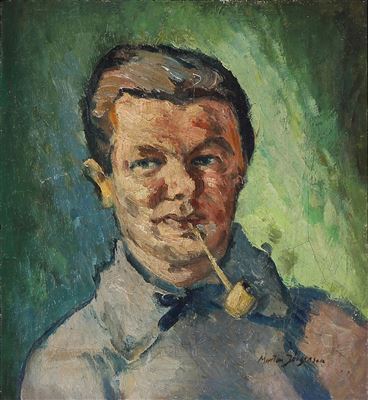
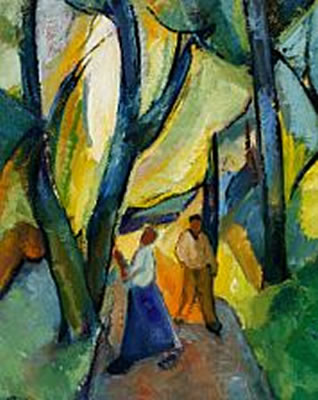
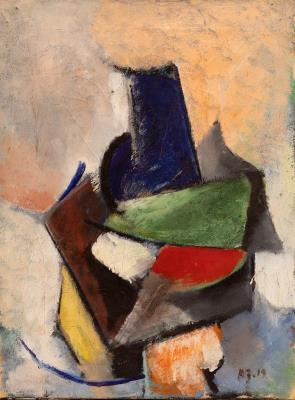
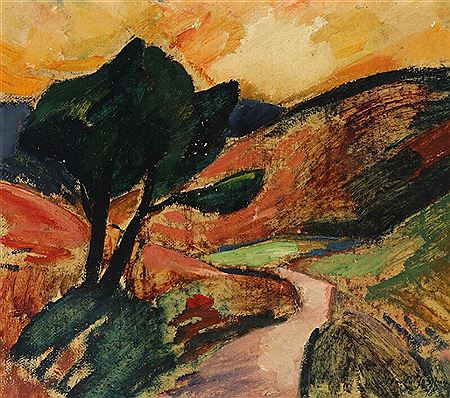
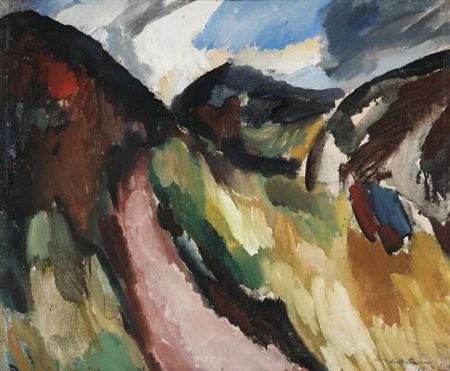
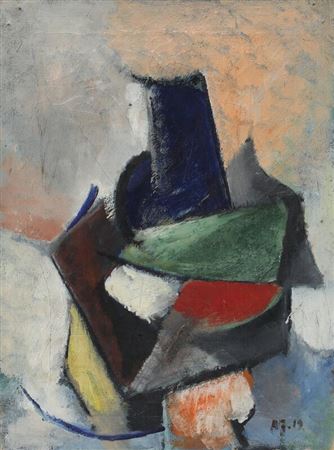
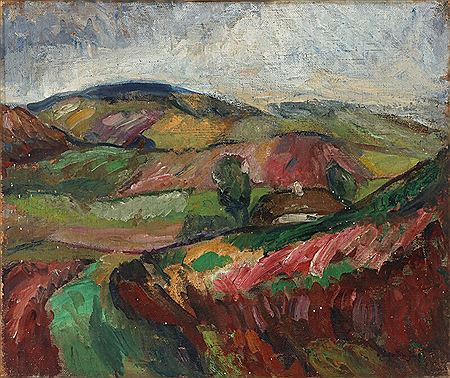
Read full biography Martin Kaalund Jørgensen trained at the Royal Danish Academy of Fine Arts in Copenhagen. He made study trips, including stays in Italy (1915), France (1921), and Holland (1929). He was a leading figure in the association "Frie jydske Malere" (Free Jute Painters). He was the first teacher of Asger Jorn, who was greatly inspired by him. His works have been exhibited in Charlottenborg and are in museum collections such as the Silkeborg Kunstmuseum (which owns many of his landscapes) and the Frederiksborgmuseet (with a part of his portraits).
Martin Kaalund Jørgensen trained at the Royal Danish Academy of Fine Arts in Copenhagen. He made study trips, including stays in Italy (1915), France (1921), and Holland (1929). He was a leading figure in the association "Frie jydske Malere" (Free Jute Painters). He was the first teacher of Asger Jorn, who was greatly inspired by him. His works have been exhibited in Charlottenborg and are in museum collections such as the Silkeborg Kunstmuseum (which owns many of his landscapes) and the Frederiksborgmuseet (with a part of his portraits).