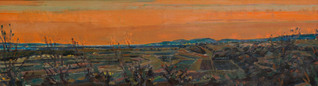
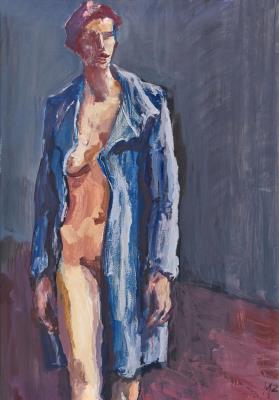
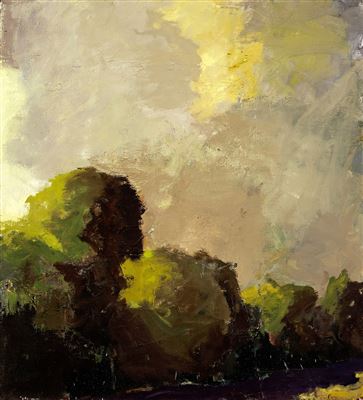
. Initially trained as a draftsman, Ziegelmüller pursued his artistic calling with determination. He studied under Cuno Amiet, one of Switzerland’s foremost modernists, and later attended the... Read full biography
. Initially trained as a draftsman, Ziegelmüller pursued his artistic calling with determination. He studied under Cuno Amiet, one of Switzerland’s foremost modernists, and later attended the Académie André Lhote in Paris (1954–1955), where he deepened his understanding of figure and composition.... Read full biography
. Initially trained as a draftsman, Ziegelmüller pursued his artistic calling with determination. He studied under Cuno Amiet, one of Switzerland’s foremost modernists, and later attended the Académie André Lhote in Paris (1954–1955), where he deepened his understanding of figure and composition. In 1958, Ziegelmüller settled in Vinelz, a lakeside village in the canton of Bern, where he established his studio and home. His practice spans painting, drawing, and etching, often focusing on... Read full biography
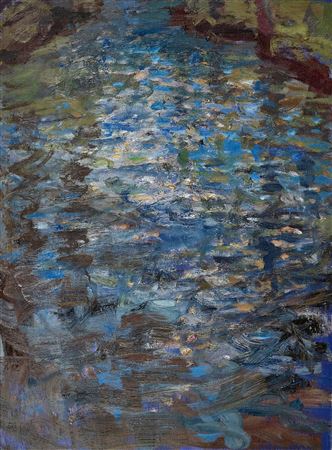
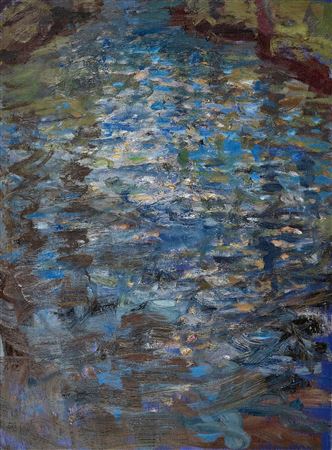
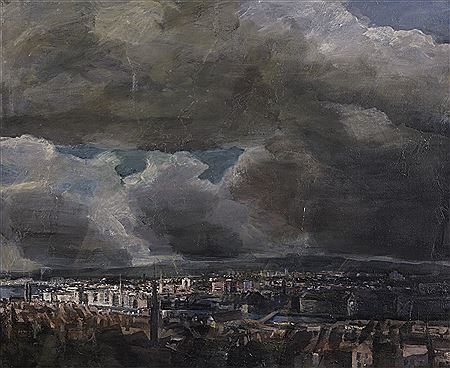
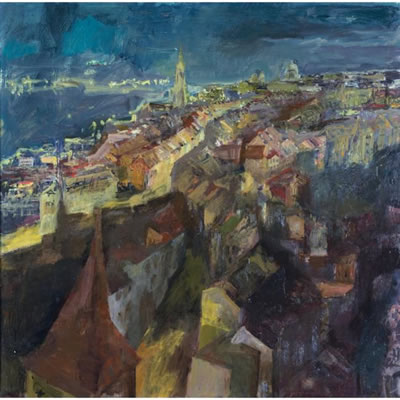
. Initially trained as a draftsman, Ziegelmüller pursued his artistic calling with determination. He studied under Cuno Amiet, one of Switzerland’s foremost modernists, and later attended the Académie André Lhote in Paris (1954–1955), where he deepened his understanding of figure and composition. In 1958, Ziegelmüller settled in Vinelz, a lakeside village in the canton of Bern, where he established his studio and home. His practice spans painting, drawing, and etching, often focusing on landscapes, figures, and the relationship between humans and industrial environments. Ziegelmüller’s work includes surreal and apocalyptic cityscapes, lyrical water scenes, and satirical cycles such as Hommage à Harald Szeemann (1969). He also created... Read full biography
. Initially trained as a draftsman, Ziegelmüller pursued his artistic calling with determination. He studied under Cuno Amiet, one of Switzerland’s foremost modernists, and later attended the Académie André Lhote in Paris (1954–1955), where he deepened his understanding of figure and composition. In 1958, Ziegelmüller settled in Vinelz, a lakeside village in the canton of Bern, where he established his studio and home. His practice spans painting, drawing, and etching, often focusing on landscapes, figures, and the relationship between humans and industrial environments. Ziegelmüller’s work includes surreal and apocalyptic cityscapes, lyrical water scenes, and satirical cycles such as Hommage à Harald Szeemann (1969). He also created extensive series in collaboration with Swiss factories, including the Biberist paper mill and glassworks in Trösch, reflecting his i... Read full biography
Martin Ziegelmueller - Art Prices in Auction LotsAuction Lots