1733 - 1795. Known for: Painting.
Maruyama Okyo is one of the giants of Edo-period painting. The son of an impoverished farmer, he was largely self-taught, but he apparently had access to Chinese painting and imported prints with...
Read full biography Maruyama Okyo is one of the giants of Edo-period painting. The son of an impoverished farmer, he was largely self-taught, but he apparently had access to Chinese painting and imported prints with Western perspective. He was one of the first Japanese painters to make extensive sketches from nature,...
Read full biography Maruyama Okyo is one of the giants of Edo-period painting. The son of an impoverished farmer, he was largely self-taught, but he apparently had access to Chinese painting and imported prints with Western perspective. He was one of the first Japanese painters to make extensive sketches from nature, a practice his students emulated. Okyo's mature style tempers the realism of close observation with a flair for bold compositions. He became spectacularly successful, winning major commissions from...
Read full biography Maruyama Okyo is one of the giants of Edo-period painting. The son of an impoverished farmer, he was largely self-taught, but he apparently had access to Chinese painting and imported prints with Western perspective. He was one of the first Japanese painters to make extensive sketches from nature, a practice his students emulated. Okyo's mature style tempers the realism of close observation with a flair for bold compositions. He became spectacularly successful, winning major commissions from the imperial household as well as Kyoto's leading merchant families. Okyo's followers, known as the shasei (drawing from life) school, would dominate Kyoto painting circles well into the twentieth century.
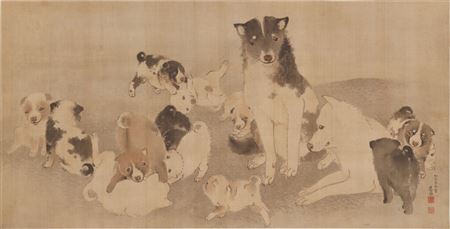
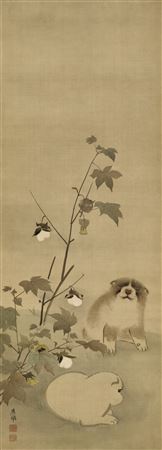
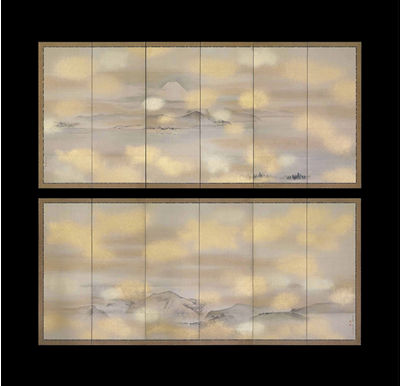
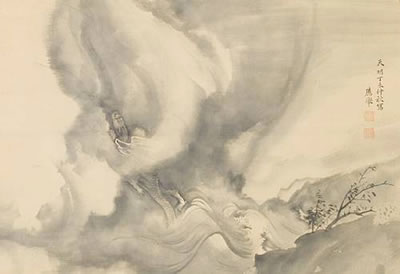
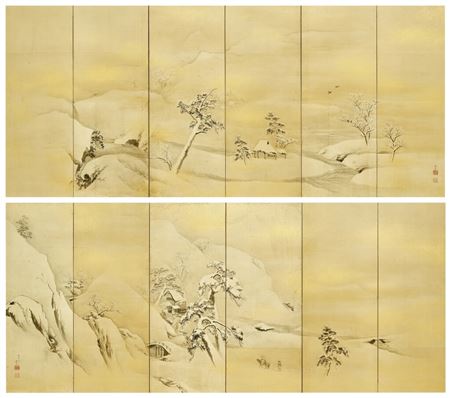
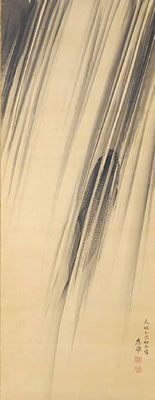
Maruyama Okyo is one of the giants of Edo-period painting. The son of an impoverished farmer, he was largely self-taught, but he apparently had access to Chinese painting and imported prints with Western perspective. He was one of the first Japanese painters to make extensive sketches from nature, a practice his students emulated. Okyo's mature style tempers the realism of close observation with a flair for bold compositions. He became spectacularly successful, winning major commissions from the imperial household as well as Kyoto's leading merchant families. Okyo's followers, known as the shasei (drawing from life) school, would dominate Kyoto painting circles well into the twentieth century.