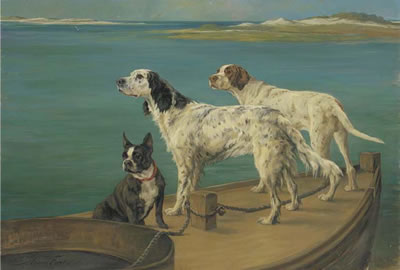
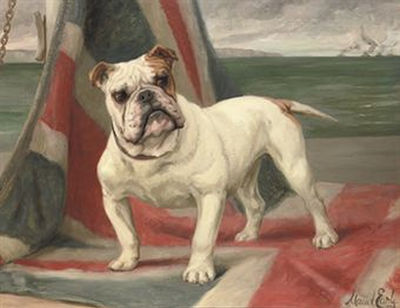
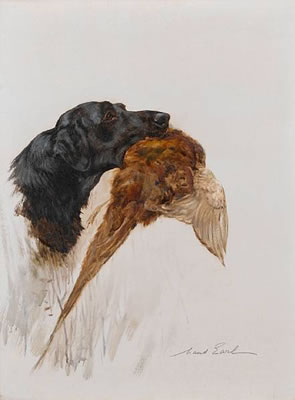
1864 England - 1943. Known for: Animals, art nouveau motif.
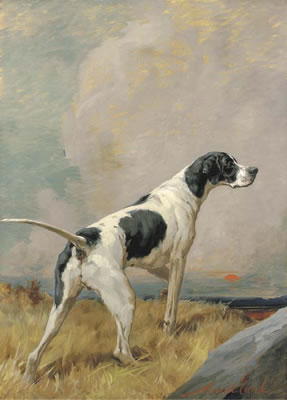
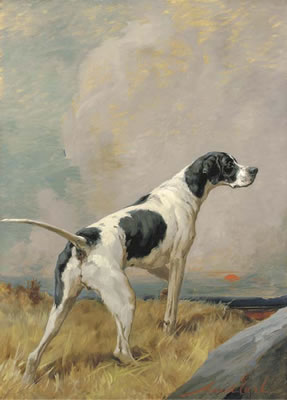
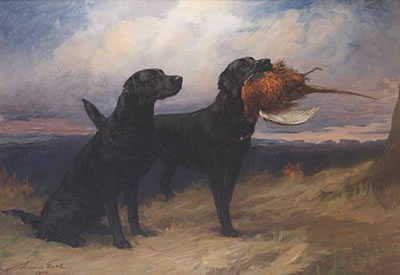
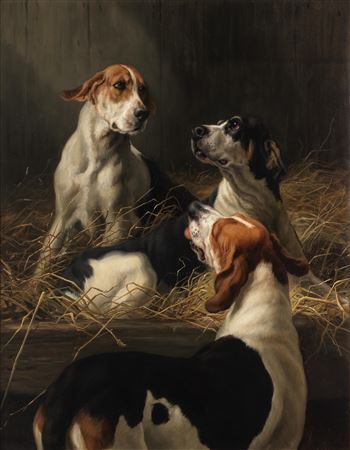
Known primarily for her paintings of dogs and other animals in Art Nouveau style, Maud Earl was English and came to the United States in 1916, settling in New York City. Earl studied painting with...
Read full biography Known primarily for her paintings of dogs and other animals in Art Nouveau style, Maud Earl was English and came to the United States in 1916, settling in New York City. Earl studied painting with her father, George Earl, one of Britain's finest sporting and dog artists. George Earl stressed the...
Read full biography Known primarily for her paintings of dogs and other animals in Art Nouveau style, Maud Earl was English and came to the United States in 1916, settling in New York City. Earl studied painting with her father, George Earl, one of Britain's finest sporting and dog artists. George Earl stressed the importance of anatomy to his daughter, a knowledge that she credits to her success with painting dogs. Maud Earl became a court painter for Buckingham Palace. She did dog portraits for Queen Victoria,...
Read full biography Known primarily for her paintings of dogs and other animals in Art Nouveau style, Maud Earl was English and came to the United States in 1916, settling in New York City. Earl studied painting with her father, George Earl, one of Britain's finest sporting and dog artists. George Earl stressed the importance of anatomy to his daughter, a knowledge that she credits to her success with painting dogs. Maud Earl became a court painter for Buckingham Palace. She did dog portraits for Queen Victoria, King Edward and many other royals. Earl also contributed illustrations for The Pointer and his Predecessors (1902) and Spaniels, Their Breaking for Sport and Filed Trials (1915). Source: Wildlife Art, November/December 2002...
Read full biography Known primarily for her paintings of dogs and other animals in Art Nouveau style, Maud Earl was English and came to the United States in 1916, settling in New York City. Earl studied painting with her father, George Earl, one of Britain's finest sporting and dog artists. George Earl stressed the importance of anatomy to his daughter, a knowledge that she credits to her success with painting dogs. Maud Earl became a court painter for Buckingham Palace. She did dog portraits for Queen Victoria, King Edward and many other royals. Earl also contributed illustrations for The Pointer and his Predecessors (1902) and Spaniels, Their Breaking for Sport and Filed Trials (1915). Source: Wildlife Art, November/December 2002