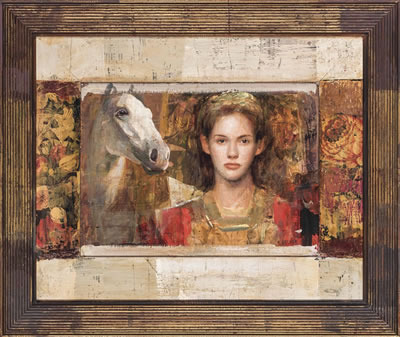
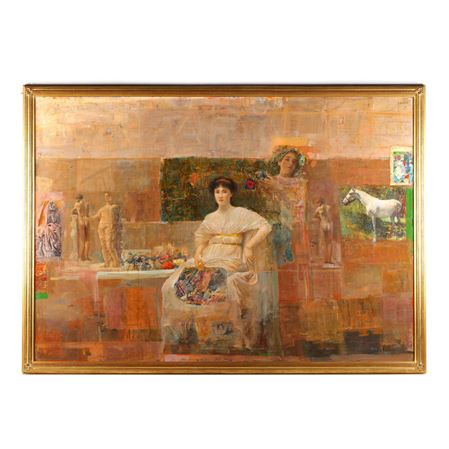
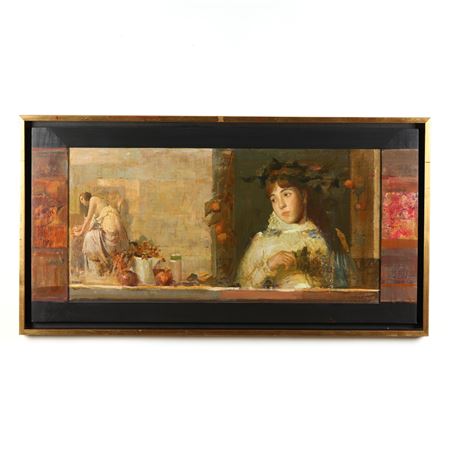
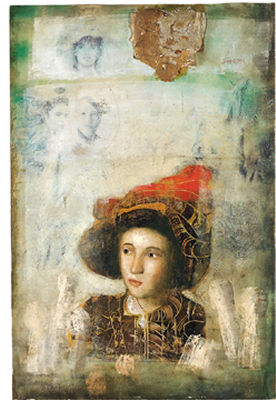
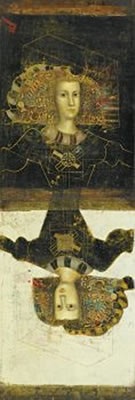
1940 Bosanki Petrovac, Bosnia, Yugoslavia - 2012 Zagreb. Known for: Painting, etching, lithography, collage, woodcuts, teaching.
Mersad Berber was born in 1940 in the town of Bosanki Petrovac in Bosnia, Yugoslavia. His work is inspired by his close and intensely creative family - weavers, embroiders and painters. Although...
Read full biography Mersad Berber was born in 1940 in the town of Bosanki Petrovac in Bosnia, Yugoslavia. His work is inspired by his close and intensely creative family - weavers, embroiders and painters. Although Berber pays homage to the masters - Velasquez, Klee, Callot and Klimt among others - his art is best...
Read full biography Mersad Berber was born in 1940 in the town of Bosanki Petrovac in Bosnia, Yugoslavia. His work is inspired by his close and intensely creative family - weavers, embroiders and painters. Although Berber pays homage to the masters - Velasquez, Klee, Callot and Klimt among others - his art is best understood as his own style and mediums including drawing, etching, lithography, painting, woodblocks and collage. Berber resides with his wife and two sons in Sarajevo, where he is an associate...
Read full biography Mersad Berber was born in 1940 in the town of Bosanki Petrovac in Bosnia, Yugoslavia. His work is inspired by his close and intensely creative family - weavers, embroiders and painters. Although Berber pays homage to the masters - Velasquez, Klee, Callot and Klimt among others - his art is best understood as his own style and mediums including drawing, etching, lithography, painting, woodblocks and collage. Berber resides with his wife and two sons in Sarajevo, where he is an associate professor for graphic arts at the Academy of Fine Arts. Recognition includes the Premium of the National Museum of Warsaw (1974), the Premium of Honor at the Tenth International Biennial Exhibition of Prints in Tokyo (1976), and the ICOM Prize at the...
Read full biography Mersad Berber was born in 1940 in the town of Bosanki Petrovac in Bosnia, Yugoslavia. His work is inspired by his close and intensely creative family - weavers, embroiders and painters. Although Berber pays homage to the masters - Velasquez, Klee, Callot and Klimt among others - his art is best understood as his own style and mediums including drawing, etching, lithography, painting, woodblocks and collage. Berber resides with his wife and two sons in Sarajevo, where he is an associate professor for graphic arts at the Academy of Fine Arts. Recognition includes the Premium of the National Museum of Warsaw (1974), the Premium of Honor at the Tenth International Biennial Exhibition of Prints in Tokyo (1976), and the ICOM Prize at the Thirtieth Grand Prix International in Monte Carlo (1978).