Born 1982. Known for: Texture and materiality, blurring digital aesthetics and traditional painting.
Michael Staniak is known for his innovative approach to texture and materiality, blurring the boundaries between digital aesthetics and traditional painting. His artworks often resemble digitally...
Read full biography Michael Staniak is known for his innovative approach to texture and materiality, blurring the boundaries between digital aesthetics and traditional painting. His artworks often resemble digitally rendered surfaces but are meticulously crafted using layered pigments, casting compounds, and...
Read full biography Michael Staniak is known for his innovative approach to texture and materiality, blurring the boundaries between digital aesthetics and traditional painting. His artworks often resemble digitally rendered surfaces but are meticulously crafted using layered pigments, casting compounds, and unconventional painting techniques. Staniak incorporates materials such as acrylic, marble dust, pulverised DVDs, and casting plaster to create richly textured surfaces that evoke the pixelated quality of...
Read full biography Michael Staniak is known for his innovative approach to texture and materiality, blurring the boundaries between digital aesthetics and traditional painting. His artworks often resemble digitally rendered surfaces but are meticulously crafted using layered pigments, casting compounds, and unconventional painting techniques. Staniak incorporates materials such as acrylic, marble dust, pulverised DVDs, and casting plaster to create richly textured surfaces that evoke the pixelated quality of digital screens while remaining deeply tactile. His practice explores the tension between the physical and virtual, responding to the way images are consumed in the digital age. The interplay of light and shadow across his relief-like surfaces further...
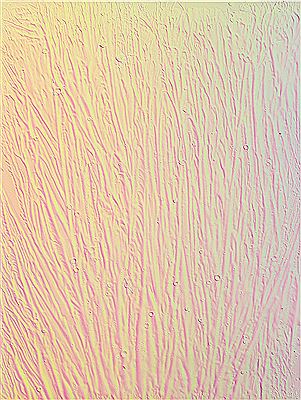
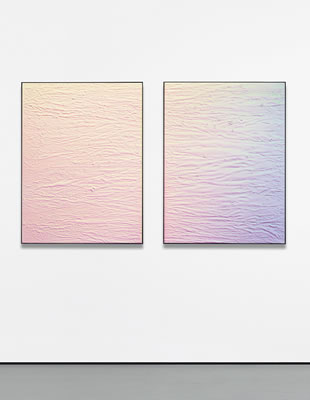
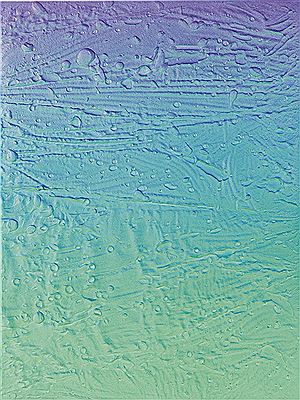
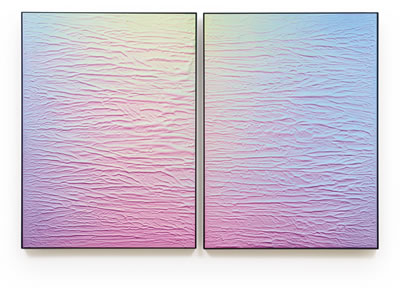
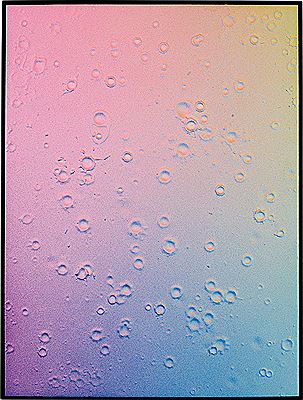
Read full biography Michael Staniak is known for his innovative approach to texture and materiality, blurring the boundaries between digital aesthetics and traditional painting. His artworks often resemble digitally rendered surfaces but are meticulously crafted using layered pigments, casting compounds, and unconventional painting techniques. Staniak incorporates materials such as acrylic, marble dust, pulverised DVDs, and casting plaster to create richly textured surfaces that evoke the pixelated quality of digital screens while remaining deeply tactile. His practice explores the tension between the physical and virtual, responding to the way images are consumed in the digital age. The interplay of light and shadow across his relief-like surfaces further enhances their illusionistic depth, inviting viewers to question whether they are encountering a screen-based image or a painting.