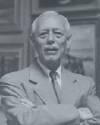
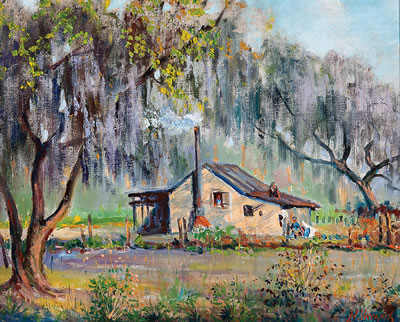
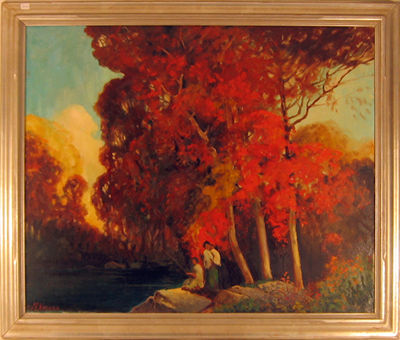
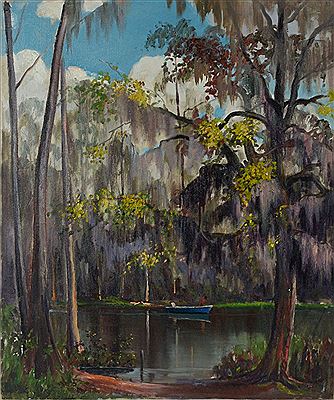
Nunzio Vayana. It is not widely known that Italian-American artist Nunzio Vayana (1878-1960) was involved in the development of camouflage during World War I. Beginning in May 1918, while living and... Read full biography
Nunzio Vayana. It is not widely known that Italian-American artist Nunzio Vayana (1878-1960) was involved in the development of camouflage during World War I. Beginning in May 1918, while living and teaching near South Glastonbury CT, he worked with two other artists, Albertus Jones and James... Read full biography
Nunzio Vayana. It is not widely known that Italian-American artist Nunzio Vayana (1878-1960) was involved in the development of camouflage during World War I. Beginning in May 1918, while living and teaching near South Glastonbury CT, he worked with two other artists, Albertus Jones and James Goodwin McManus, and with students in a sketching class to apply paint in such a way as to “conceal something by making it look like nothing.” They claimed that this was better than the commonly-practiced... Read full biography
Nunzio Vayana. It is not widely known that Italian-American artist Nunzio Vayana (1878-1960) was involved in the development of camouflage during World War I. Beginning in May 1918, while living and teaching near South Glastonbury CT, he worked with two other artists, Albertus Jones and James Goodwin McManus, and with students in a sketching class to apply paint in such a way as to “conceal something by making it look like nothing.” They claimed that this was better than the commonly-practiced alternative of making something appear to look like something else. They announced that they were “willing to enter the service of the government to demonstrate the worth of their theory in any way it can be worked out.” . Their on-going research was... Read full biography
Nunzio Vayana. It is not widely known that Italian-American artist Nunzio Vayana (1878-1960) was involved in the development of camouflage during World War I. Beginning in May 1918, while living and teaching near South Glastonbury CT, he worked with two other artists, Albertus Jones and James Goodwin McManus, and with students in a sketching class to apply paint in such a way as to “conceal something by making it look like nothing.” They claimed that this was better than the commonly-practiced alternative of making something appear to look like something else. They announced that they were “willing to enter the service of the government to demonstrate the worth of their theory in any way it can be worked out.” . Their on-going research was featured in a half-page news article in The Hartford Courant, with photographs of the artists and students at work. The headline fo... Read full biography
Nunzio Vayana - Art Prices in Auction LotsAuction Lots